


You probably watch your dog and wonder what some actions mean. Dogs use body language, sounds, and habits to tell you about their mood, needs, and health. Understanding those signals helps you respond calmly, keep your dog safe, and fix small problems before they become big ones.
This guide breaks down why dogs do things like wag, howl, chew, or hide, and explains whether a behavior is normal, attention-seeking, instinct-driven, or a sign of stress or illness. You’ll get clear tips on how to read canine communication, handle tricky habits, and know when to call a vet, so you can act with confidence and care.
- Understanding Canine Communication
- How Dogs Express Their Emotions
- The Role of Body Language
- Vocalizations and Their Meanings
- Decoding Common Dog Behaviors
- Why Dogs Bark
- Reasons for Tail Wagging
- The Meaning Behind Licking
- Social Interactions and Play
- Dog Play Styles
- Play Bow Behavior
- Socialization With Other Dogs
- Behaviors Related to Instincts
- Digging and Burrowing
- Chasing Moving Objects
- Chewing Habits
- Attention-Seeking Actions
- Jumping on People
- Pawing for Attention
- Unusual or Problematic Habits
- Excessive Whining
- Compulsive Spinning
- Head Pressing
- Separation and Stress Responses
- Destructive Chewing When Alone
- Pacing or Panting
- House Soiling from Anxiety
- Behaviors Linked to Health and Aging
- Sudden Aggression
- Increased Sleeping
- Changes in Eating Behavior
- How to Respond to Your Dog’s Behaviors
- When to Seek Professional Help
- Training Positive Behaviors
- Frequently Asked Questions
- What causes dogs to bark excessively?
- How can I understand my dog’s body language?
- Why do dogs dig holes in the yard?
- What is the reason behind a dog’s destructive chewing?
- How can I stop my dog from jumping up on people?
- Why do dogs chase their tails?
Understanding Canine Communication
Dogs use their bodies, voices, and smells to tell you how they feel and what they want. Watch tail position, ear shape, eye contact, and sounds to understand if your dog is happy, scared, or asking for something.
How Dogs Express Their Emotions
Dogs show emotions through posture and small movements. A relaxed body, loose mouth, and soft eyes usually mean your dog feels safe. Stiff posture, raised hackles, or a tucked tail often mean fear or tension.
You can look for short signals that happen quickly. For example, lip licking, yawning, or turning the head away are common signs of stress or appeasement. These cues help prevent fights or calm a tense moment.
Context matters. A wagging tail during play looks different from a low, fast wag near a stranger. Note what happened just before the behavior to read the emotion correctly.
The Role of Body Language
Body language gives you the clearest clues about intent. Use the following quick checklist when you watch your dog:
- Tail: height and speed matter.
- Ears: forward, flat, or neutral tell different states.
- Eyes: squinting, wide-open, or direct stare carry meaning.
- Body: relaxed, crouched, or stiff shows comfort or threat.
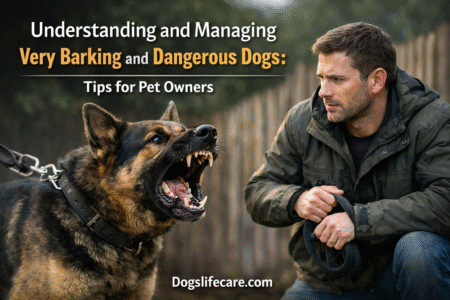
Posture changes can happen fast. A dog that freezes and stares may be deciding whether to flee or defend. Move calmly and avoid sudden approach if you see warning signs like lip curling or raised fur.
Use touch and distance carefully. Let your dog come to you if they show mild stress. Give space when you see strong defensive signals.
Vocalizations and Their Meanings
Different sounds serve different purposes and are often clear once you learn them. Barking can mean alert, play, frustration, or excitement—note pitch and repetition to tell which. Short, sharp barks often signal alarm; continuous high-pitched barking may mean demand or attention-seeking.
Growls usually warn you to back off. A low, sustained growl signals serious discomfort, while a brief growl can be part of play between familiar dogs. Whines and whimpers often mean your dog wants attention, is anxious, or feels unwell.
Howl and silence matter too. Howling links to separation or communication across distance. Noisy changes combined with body cues give the full picture—listen and watch together to interpret the message.
Decoding Common Dog Behaviors
You will learn clear reasons for barking, tail wagging, and licking. These behaviors usually signal specific needs, feelings, or health issues you can act on.

Why Dogs Bark
Barking is a dog’s main way to get attention or warn you about something. Dogs bark when they want food, play, or to go outside. They also bark at strangers, loud noises, or when they feel threatened.
Look for patterns to figure out the cause:
- Time of day (early morning or during your work hours)
- Triggers (doorbell, other dogs, people walking by)
- Bark type (short alert barks vs. long whining barks)
Address barking by removing the trigger, teaching a “quiet” cue, or giving more exercise. If barking comes from anxiety or boredom, try longer walks, puzzle toys, or a vet-recommended training plan. If the bark changes suddenly or seems pained, check with your vet.
Reasons for Tail Wagging
Tail wags show many feelings, not just happiness. A high, fast wag often means excitement or confidence. A slow wag with the tail low can mean insecurity or caution.
Look at the whole body to read the message:
- Wag plus relaxed body and open mouth = friendly
- Wag plus tense body and raised fur = alert or uneasy
- Tail tucked and small, quick wags = fear
Use tail signals to guide your interaction. Approach calmly when the tail indicates nervousness. Reward calm tail positions with treats so your dog learns relaxed behavior around new people or situations.
The Meaning Behind Licking
Dogs lick to communicate, explore, and soothe themselves. Puppies lick their mother and littermates; adult dogs lick you to show affection or to get attention. Licking can also mean your dog tastes salt on your skin or seeks comfort when anxious.
Check for these signs:
- Repetitive licking of skin or objects might indicate stress or allergy.
- Gentle licks during petting usually mean affection.
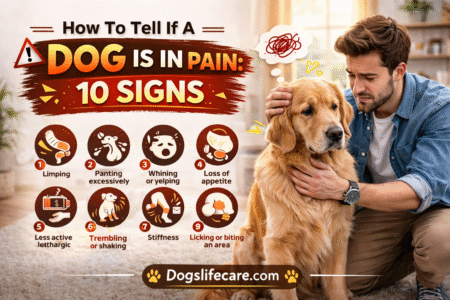
- Excessive licking of paws or a spot can point to pain or irritation.
If licking becomes obsessive, try redirecting with toys, increase exercise, or consult your vet about allergies or skin issues. If you see sores, swelling, or sudden changes, schedule a vet visit.
Social Interactions and Play
Dogs use body language, movement, and sounds to ask for play, set rules, or show stress. Watching tail position, mouth shape, and the pace of play helps you know when to step in, encourage, or stop interactions.
Dog Play Styles
Dogs play in different ways depending on age, breed, and personality. Some dogs prefer chasing games; others like tugging, wrestling, or gentle mouthing. Puppies often use rougher, chaotic play to learn bite inhibition, while adult dogs may play more predictably and with clearer turn-taking.
Watch for signals that keep play safe:
- Loose bodies and relaxed mouths mean fun.
- Stiff postures, hard bites, or fixed stares mean escalation.
- Short play sessions with breaks are normal; long nonstop rough play can lead to fights.
Match play style to your dog’s needs. If your dog tires quickly, offer short fetch sessions. If your dog prefers social tugging, use a sturdy toy and teach a clear “drop” cue.
Play Bow Behavior
The play bow is a clear, common invitation to play. Your dog lowers the front legs, raises the rear, and may wag the tail. This pose signals friendly intent and helps prevent misunderstandings during roughhousing.
When you see a play bow:
- Respond with soft, playful tone or mirror the bow to encourage play.
- If one dog bows and the other freezes, give space or redirect with a toy.
- Repeated bows mixed with lunging or hard bites mean the dog may be overexcited or unsure.
Teach your dog to bow on cue by rewarding the posture. Use the bow as a safe start to games, then watch closely for changes in body language that show stress or escalation.
Socialization With Other Dogs
Socialization builds good manners and reduces fear. Start with calm, well-mannered dogs and short, controlled meetings. Keep leashes loose and allow sniffing; tight leashes can raise tension and cause reactivity.
Key steps for safe socialization:
- Arrange neutral meeting spots and avoid crowded dog parks at first.
- Let dogs approach at their own pace. Intervene if you see raised hackles, direct staring, or repeated mounting.
- Teach your dog a reliable recall and a calm “leave it” or “sit” to break up rough play.
If your dog shows fear or aggression, pause and consult a trainer or behaviorist. A step-by-step plan and positive rewards help your dog learn to enjoy other dogs without stress.
Behaviors Related to Instincts
You will learn why dogs dig, chase, and chew by looking at their natural drives and simple ways to manage each habit. These behaviors come from hunting, denning, and exploring instincts that shaped dog ancestors.

Digging and Burrowing
Digging often starts from an instinct to create a cool or safe spot, especially in warm weather or when a dog is nervous. Outdoor dogs may dig where soil stays cool or where they smell rodents. Puppies dig to explore and older dogs might dig to bury food or toys.
Check your yard for patterns: repeated holes in one spot suggest comfort-seeking or a small-animal presence. If digging happens when you leave, it may be separation anxiety. Try these steps:
- Provide a designated dig box with soil or sand.
- Schedule walks and play before you leave to reduce boredom.
- Block access to prized digging areas with landscaping cloth or raised beds.
Use praise and treats to reward digging only in the approved spot. For medical or anxiety-driven digging, consult your vet or an animal behaviorist.
Chasing Moving Objects
Chasing taps into prey drive. Fast-moving things—balls, bikes, squirrels, cars—trigger your dog to run and pursue. Herding breeds may nip or circle, while terriers focus on small, quick targets.
Teach impulse control with training:
- Practice “leave it,” “watch me,” and a reliable recall in low-distraction settings.
- Use long lines to allow controlled chasing practice, then call your dog back for a reward.
- Redirect with toys when you see prey cues like fixated staring or crouching.
Never punish a chase reflex after the fact; it confuses your dog. Instead, prevent repeats by managing the environment (leash, fenced yard) and reinforcing calm responses.
Chewing Habits
Chewing cleans teeth, exercises jaws, and helps puppies relieve teething pain. Adult dogs chew to explore, relieve boredom, or store items. Destructive chewing often signals not enough exercise or mental work.
Offer safe outlets and rules:
- Rotate sturdy chew toys and puzzle feeders to keep interest high.
- Provide rawhide alternatives like rubber toys, frozen wet washcloths for teething, or vet-approved chews.
- Increase daily exercise and add short training sessions to tire your dog mentally.
If chewing targets specific objects (shoes, furniture), keep those items out of reach and redirect to an approved toy. If chewing is sudden or obsessive, rule out dental pain or anxiety with a vet check.
Attention-Seeking Actions
You can tell when your dog wants something because they use body language and repeated actions. These behaviors are usually learned and respond to what you do next.
Jumping on People
When your dog jumps up, they usually want contact, greeting, or to be closer to your face. Puppies often jump because they were rewarded with attention or a push away that still counts as interaction. If you let them on the couch or hug them after jumping, you teach the dog that jumping works.
Use a clear replacement behavior. Ask the dog to sit when people arrive and only reward four paws on the floor. Turn your back and withhold attention for a few seconds when they jump; reward calm behavior instead. Practice this with short, frequent sessions and give treats or a calm pet when the dog stays down. Consistency matters: every family member and guest must follow the same rule.
Pawing for Attention
Pawing is a direct request: your dog taps you to start play, get food, or gain petting. It becomes persistent when you respond immediately every time, like picking them up or petting on demand. Dogs also paw when they feel anxious or bored, so check for underlying needs first.
Teach an alternative like placing a paw on a mat or lying down for a treat. Ignore the pawing until the dog uses the trained cue, then reward quickly. Increase mental and physical exercise to reduce boredom-driven pawing. If pawing also includes whining or destructive behavior, raise the reward for the calm response and consider short training sessions with a clicker or marker word to speed learning.
Unusual or Problematic Habits
These behaviors can signal stress, medical issues, or learned compulsions. You can take concrete steps like tracking frequency, noting triggers, and seeking a vet or behaviorist when needed.
Excessive Whining
Whining becomes a problem when it happens often, lasts long, or occurs in situations where quiet is expected. Note when your dog whines: at the door, during separation, when ignored, or while confined. Tracking time of day and what happens right before the sound helps you spot patterns.
Start by ruling out pain or illness with your veterinarian. If medical causes are clear, treat them first. For behavior-based whining, teach an alternative: ask for a sit or settle, then reward silence. Use brief, consistent responses—don’t reward whining with attention, food, or walks. For separation whining, practice short departures and build up slowly. Consider crate training or interactive toys to reduce anxiety. If whining persists or is linked to panic, consult a certified behaviorist for a tailored plan.
Compulsive Spinning
Compulsive spinning looks like repeated circling with no clear goal. It often increases with boredom, stress, or under-stimulation. Note whether spinning happens indoors, before walks, during car rides, or at night.
First, check for medical causes, such as ear infections or neurological problems. If the vet clears health issues, treat spinning as a compulsive behavior. Increase mental and physical exercise: longer walks, puzzle feeders, and training sessions. Break the cycle by redirecting to a trained behavior—call your dog, ask for a sit, then reward calm. Avoid punishing the spinning; that can worsen anxiety. If spinning is intense, causes injury, or resists basic management, consult a veterinary behaviorist for medication or structured behavior therapy.
Head Pressing
Head pressing means your dog leans or presses its head against a wall or object for extended periods. This behavior can indicate a serious neurological or metabolic condition. Treat it as urgent when you see it.
Contact your veterinarian immediately. Head pressing may signal brain inflammation, liver disease, toxins, or severe infection. The vet will likely run neurologic exams, blood tests, and possibly brain imaging. While awaiting care, keep your dog safe and prevent falls or injury. Do not wait to see if it resolves—early diagnosis often improves outcomes. Follow the vet’s treatment plan and monitor closely for changes in alertness, coordination, or appetite.
Separation and Stress Responses
Your dog may show stress when you leave by chewing, pacing, panting, or having accidents. These behaviors come from fear, high arousal, or a lack of coping skills rather than spite.
Destructive Chewing When Alone
Destructive chewing often starts minutes or hours after you leave. Your dog may focus on door frames, shoes, or furniture. This behavior usually shows when your dog feels anxious and seeks comfort or tries to escape.
Start by removing tempting items and giving safe chews. Rotate durable toys and use food puzzles to keep your dog busy while you’re out. Train short departures first: leave for 30 seconds, return, and reward calm behavior. Gradually increase time away over days or weeks.
Consider crate training if your dog accepts a crate calmly. Make the crate a positive place with treats and a favorite blanket. If chewing is severe or includes self-harm, ask a veterinarian or a behaviorist about anti-anxiety strategies or medication.
Pacing or Panting
Pacing and panting often signal heightened stress, not exercise needs. You may see a dog walk in circles, pace the windows, or breathe fast and shallow even in a cool room.
Measure when this happens: during your leaving routine, right after you go, or throughout the absence. Use desensitization: practice calm exits without fanfare and pair departures with a long-lasting toy or treat. White noise or classical music can reduce external triggers that increase pacing.
If panting seems excessive, check for medical causes (pain, heat, heart issues). Record videos of the behavior to show your vet; patterns help rule out illness and guide behavior plans.
House Soiling from Anxiety
Accidents during your absence often stem from stress, not lack of house training. Dogs may urinate or defecate while distressed, especially near doors or in areas you use when leaving.
Avoid scolding; it increases anxiety and makes the problem worse. Improve bathroom opportunities: take your dog out right before you leave and when you return. Use confinement to a small, dog-proof area if the dog tolerates it, or try potty pads for short absences while you work on training.
Work on gradual alone-time training and reward calm behavior. If accidents continue, keep a log of timing and context, and consult a vet to rule out medical issues like urinary tract infections or incontinence.
Behaviors Linked to Health and Aging
Older dogs often show sudden behavior shifts, more sleep, or changes in appetite. These signs can point to pain, cognitive decline, dental problems, or metabolic disease. Watch timing, frequency, and any other physical signs to decide if you need a vet visit.
Sudden Aggression
When a calm dog suddenly snaps, pain is a common cause. Arthritis, dental pain, ear infections, or internal injuries can make touch or movement feel threatening. Note what triggers the aggression: reaching for a sore flank, touching a mouth, or moving the dog off a bed.
Check for visible signs: limping, swelling, bad breath, head tilt, or changes in grooming. Keep interactions low-stress. Avoid forcing contact near the painful area. Use gentle handling, short leash walks, and give your dog space during sleep or meals.
Tell your vet exactly when the aggression started and any coinciding events like a fall or new medication. The vet may do bloodwork, joint x-rays, dental exam, or pain trials. Treatment can include pain meds, dental care, behavior modification, and adjusting your home to reduce triggers.
Increased Sleeping
If your dog naps more, evaluate both quantity and quality. Puppies and working breeds normally sleep a lot, but seniors often sleep due to reduced stamina, joint pain, or heart and thyroid conditions. Note whether the dog is harder to wake, seems disoriented after naps, or wakes more at night.
Measure daytime sleep and night awakenings for a few days. Look for slower movements, stiffness after rest, or less interest in walks. Increase short, gentle activity to keep joints moving and stimulate the mind. Adjust bedding to a warm, supportive mat and place food and water on one level.
Report sudden changes or signs of lethargy to your vet. Diagnostics may include blood tests, heart checks, and neurologic exams to rule out infections, organ disease, or cognitive dysfunction.
Changes in Eating Behavior
Changes in appetite or eating habits can signal teeth disease, GI upset, metabolic illness, or cognitive change. Loss of interest in food, dropping food while chewing, or refusing certain textures point to oral pain. Rapid eating, scavenging, or increased hunger may indicate thyroid disease, diabetes, or medication effects.
Inspect the mouth for broken teeth, red gums, or drooling. Note vomiting, diarrhea, weight loss, or weight gain. Try warming food or switching textures (wet vs dry) to test preference while keeping meals consistent. Use measured meals and weigh your dog weekly to track trends.
Share precise changes with your vet: how much they eat, when, any new foods or medications, and weight records. Your vet may recommend dental cleaning, blood tests, or a diet trial. Treating the underlying issue often restores normal eating.
How to Respond to Your Dog’s Behaviors
Focus on clear, consistent actions: reward calm, redirect unwanted acts, and get help when behavior risks safety or health. Use short training sessions, predictable routines, and the right timing for rewards or corrections.
When to Seek Professional Help
If your dog shows sudden changes like aggression, repeated biting, or intense fear, contact a vet first to rule out pain or illness. Medical causes can look like behavior problems, so a checkup and bloodwork may be needed.
Reach out to a certified force-free trainer or a veterinary behaviorist when behaviors persist despite consistent home training. Look for credentials such as CBCC-KA, CPDT-KA, or a boarded veterinary behaviorist (DACVB). Ask about methods—avoid trainers who use shock, choke, or pain-based tools.
Seek immediate professional help if your dog escapes the yard, attacks people or other animals, or has severe separation anxiety that causes property damage or self-harm. Take video of the behaviors to share with the professional. This speeds diagnosis and creates a safer, tailored plan.
Training Positive Behaviors
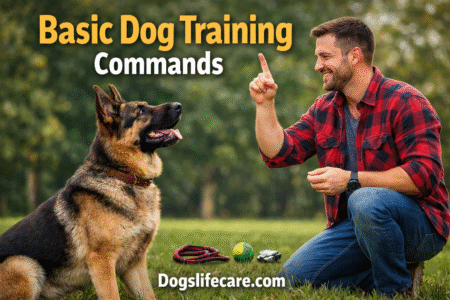
Start by identifying one behavior to change and one replacement behavior you can reward, like asking for a sit instead of jumping up. Keep sessions short—5 to 10 minutes—two to four times a day to build skill without stressing your dog.
Use high-value rewards for tough problems: small pieces of cooked chicken, cheese, or a favorite toy. Clicker or marker words (“Yes!”) work well to mark the exact moment your dog does the right thing. Reward immediately, within one second, so your dog links action and outcome.
Be consistent with rules and cues across all family members. Practice in low-distraction areas first, then add distractions gradually. Track progress in a simple log: date, behavior, cue used, reward, and distance or distraction level. Adjust rewards and criteria as your dog improves.
Frequently Asked Questions
These answers cover common causes and clear steps you can take. They focus on behavior triggers, health checks, and practical training or management tips.
What causes dogs to bark excessively?
Dogs bark for many reasons: alarm, boredom, attention seeking, fear, or to alert you. Check for triggers like people walking by, other dogs, or loud noises.
Rule out medical issues with your vet if barking starts suddenly. Use training to teach a “quiet” cue and give regular exercise and mental stimulation to reduce boredom-driven barking.
How can I understand my dog’s body language?
Watch tail position, ear angle, and facial expressions to read your dog. A relaxed body, loose tail, and soft eyes usually mean calm; stiff posture, raised hackles, and a fixed stare can mean stress or aggression.
Combine signals with context—who’s nearby, recent events, and your dog’s normal behavior. If you’re unsure, step back, give space, and avoid forcing interaction until the dog calms.
Why do dogs dig holes in the yard?
Dogs dig to find cool spots, chase animals underground, hide food, or burn off excess energy. Some breeds have a stronger digging instinct than others.
Prevent digging by providing shade, a sandbox with toys, regular exercise, and by removing small animals that attract your dog. Redirect the behavior to an approved digging area if needed.
What is the reason behind a dog’s destructive chewing?
Puppies chew to relieve teething pain; adult dogs chew from boredom, anxiety, or lack of proper chew items. Sudden destructive chewing can also signal stress or a health problem.
Give safe chew toys, increase play and walks, and crate train for supervision. Use chew deterrents or rotate toys to keep your dog interested, and consult a trainer for severe cases.
How can I stop my dog from jumping up on people?
Dogs jump to greet, get attention, or seek reach. Teach alternative behaviors like sitting for greetings and reward calm four-on-the-floor behavior with treats and praise.
Consistently ignore jumping by turning away and not giving attention until all four paws are down. Ask visitors to follow the same routine so your dog learns the new rule faster.
Why do dogs chase their tails?
Tail chasing can be play, a way to burn energy, or a response to boredom. Repeated or frantic chasing may indicate medical issues like fleas, skin irritation, or compulsive behavior.
Check for parasites or injuries, increase exercise and mental puzzles, and interrupt the behavior with a toy or command. If tail chasing persists or worsens, get a vet or behaviorist involved.















Leave a Reply