

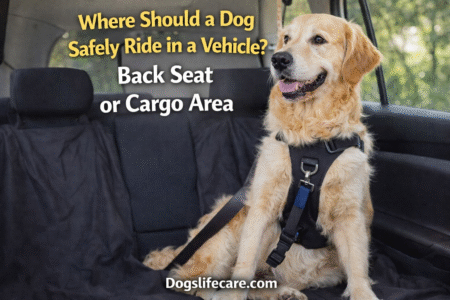
Your dog’s safety is not a guess. The clear answer: the back seat or cargo area, secured with a crash-tested harness, crate, or carrier. This keeps them away from airbags, protects them during sudden stops, and reduces driver distraction. Ahead, quick tips on gear, setup, and habits for safer rides.
Safest Spot: Back Seat or Cargo Area, Not the Front
The back seat is safest for most dogs. It keeps them away from front airbags and lets you anchor a harness or carrier to the seat belt system. In SUVs, the cargo area works well if you can secure a sturdy crate to the factory tie-downs.
Airbags can injure a dog, even at low speeds. Keep dogs out of the front seat. Never let a dog ride in an open truck bed. Ejection risk is high, and injuries are severe. Keep heads and paws inside. Debris, bugs, and sudden turns can harm your dog’s eyes and joints.
A roaming dog becomes a projectile in a hard brake. Secure them every trip, every mile.
Back Seat vs. Cargo Area: Which Is Better?
Size and vehicle type guide the choice. Small to medium dogs do well in the back seat using a crash-tested harness or a secured carrier. Large dogs often fit better in a secured crate in the cargo area. Use solid anchor points and a stable base so the setup does not tip.

Why the Front Seat Puts Dogs at Risk
Airbags are designed for adult humans, not dogs. In a crash, an airbag can strike a dog’s head or neck. Even with a strap, the front seat raises injury risk. Keep your dog behind the front seats. For more context, see the AKC guidance on keeping dogs in the back seat and away from airbags.
Never on Laps, in Open Beds, or Hanging Out Windows
- No laps, ever.
- No open truck beds.
- No loose rides in the cargo area.
- No heads out the window.
These habits raise the risk of ejection, eye injuries from debris, and driver distraction.
Best Restraints: Harnesses, Crates, Carriers, and Barriers
Use a crash-tested harness that clips into the seat belt system. Never clip to a collar. A short tether limits forward motion during a stop. Crates and carriers should be well ventilated and secured to seat belts or cargo tie-downs. Fit should be snug, not cramped.
Barriers help block the front area and reduce distraction, but they do not replace a harness or crate in a crash. Aim for a tight, comfortable setup that keeps your dog stable.
For product setup ideas, this overview on how to travel safely with your dog in the car adds helpful visuals and tips.

Harness Setup That Protects in a Crash
Route the car’s seat belt through the harness or use the harness’s seat belt attachment. Fit the harness snug at the chest and shoulders. Avoid long tethers that let the dog launch forward.
Securing Crates and Carriers the Right Way
Place the crate on a flat surface in the cargo area or back seat. Use seat belts or cargo anchors at two points to stop sliding. The crate should not wobble. For small dogs, a secured carrier or booster in the back seat works well.
When a Pet Barrier Helps, and Its Limits
Barriers stop roaming and calm curious dogs. Many are not crash rated. Pair any barrier with a harness or a secured crate for real protection.
Smart Habits for Every Trip
Keep windows cracked for airflow, but heads inside. Use child locks if needed. Start with short rides to lower anxiety. Offer water and plan rest stops. Never leave a dog in a parked car. Heat climbs fast, even on mild days. For longer trips, check this guide to long-distance car travel with dogs.
Control Windows and Climate
Use AC or vents for comfort. Crack windows for fresh air, but do not allow heads outside. Debris and sudden stops can cause injuries.
Reduce Distraction and Motion Sickness
Seat your dog behind the driver or passenger seat. Offer a light meal several hours before travel. Keep a calm tone and add a favorite blanket or mat.

Never Leave Your Dog in a Parked Car
Heat stroke and theft are real risks. Even with cracked windows, temperatures spike fast. Bring your dog with you or leave them at home.
Quick Pre-Trip Checklist
- Harness or crate secured
- Short tether, never to a collar
- Water, bowls, waste bags, towel
- Windows locked, barrier in place if used
- Map rest stops on longer trips
FAQs:
Can my dog ride in the front seat of the car?
No. Dogs should not ride in the front seat because airbags can injure them even in minor accidents. The safest place is the back seat or secured cargo area.
What is the safest way for a dog to travel in a car?
The safest way is using a crash-tested harness, crate, or carrier that is properly secured to the seat belt system or cargo tie-downs.
Should I let my dog stick its head out of the window?
No. Letting a dog stick its head out increases the risk of eye injuries, debris hitting them, and accidents if sudden braking occurs. Crack windows for airflow, but keep heads inside.
Is it safe for dogs to ride in the cargo area?
Yes, if secured properly. Large dogs often travel best in a crate secured to factory anchors in the cargo area. The crate should not slide, tip, or wobble.
Can I hold my dog on my lap while driving?
No. Holding a dog on your lap is dangerous and distracting, and the dog can become a projectile in sudden stops. Always secure them with proper restraints.
Do I need a crash-tested dog harness or crate?
Yes. Not all pet gear is safety-tested. Using crash-tested equipment provides much better protection during an accident or sudden stop.
Are pet barriers enough to keep dogs safe in the car?
Pet barriers can help control movement and reduce distraction, but they do not protect dogs during a crash. They should be used along with a harness or secured crate.
How can I stop my dog from getting car sick?
Give a light meal a few hours before travel, keep air circulating, and start with short rides to build comfort. A calm environment and familiar blanket can help too.
Can I leave my dog in the car while I run errands?
No. Never leave a dog in a parked car. Temperatures rise quickly even on mild days, and heatstroke and theft are serious risks.
What should I bring when traveling with my dog?
Bring water, bowls, waste bags, a towel, and your dog’s harness or crate. Plan rest stops for longer trips and ensure windows are locked and secure.
Conclusion
The safest place for your dog is the back seat or cargo area, secured in a crash-tested harness, crate, or carrier. Keep heads inside, lock down gear, and skip the front seat. Set up your dog’s safe spot before your next drive and make every ride a good one.












Leave a Reply