

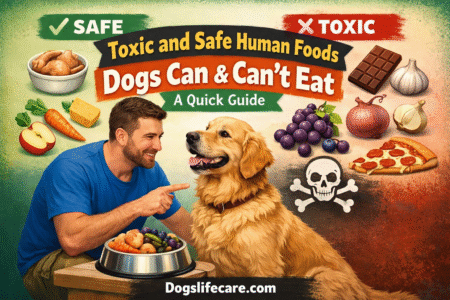
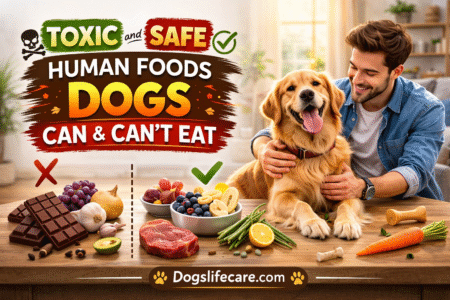
Deciding what to feed your dog can be tricky, especially when they’re begging for a bite of your meal. Knowing which human foods are toxic to dogs and which are safe is essential for their health and well-being. “Toxic and Safe Human Foods Dogs Can & Can’t Eat” refers to the understanding of which people foods are safe for canine consumption and which pose a health risk. This knowledge helps dog owners make informed decisions about what treats and snacks they can share with their furry friends, avoiding potential health issues.
Understanding which human foods are safe and unsafe for dogs offers several benefits. It helps prevent accidental poisonings, allows for the occasional healthy treat, and ensures a balanced diet. This guide will outline foods that are dangerous, those that should be limited, and those that are generally okay for dogs.
This article serves as a guide to help dog owners differentiate between safe and unsafe human foods for their pets. It covers specific foods that are toxic to dogs, foods that should be given in moderation, and foods that are generally safe. The main components discussed include alcohol, chocolate, grapes, onions, and xylitol as toxic substances; dairy, salt, and nuts as foods to limit; and apples, carrots, chicken, and rice as safe options. By understanding these categories, owners can better protect their dogs’ health and well-being.
- Foods That Are Toxic for Dogs
- Alcohol
- Chocolate, Coffee, and Caffeine
- Grapes and Raisins
- Macadamia Nuts
- Onions, Garlic, and Chives
- Xylitol
- Raw Yeast Dough
- Nutmeg
- Lemons and Limes
- Other Foods That Are Dangerous for Dogs (Limit or Avoid)
- Avocado
- Cashews
- Cherries
- Cinnamon
- Coconut and Coconut Oil
- Corn on the cob
- Honey
- Milk and Dairy Products
- Nuts (General)
- Peanuts
- Salt and Salty Snacks
- Tomatoes
- Foods That Can Be Okay For Dogs
- Almonds
- Apples
- Bananas
- Beef
- Blackberries
- Blueberries
- Bread
- Broccoli
- Carrots
- Celery
- Chicken
- Coconut
- Corn
- Cottage Cheese
- Eggs
- Green Peas
- Mango
- Mushrooms
- Oatmeal
- Oranges
- Pineapple
- Popcorn
- Pork
- Potatoes
- Rice
- Salmon
- Shrimp
- Strawberries
- Sweet Potatoes
- Turkey
- Watermelon
- What should I do if my dog has eaten any of these?
- Want more advice?
- Other Ways to Help:
- Help the ASPCA Put a Stop to Animal Cruelty
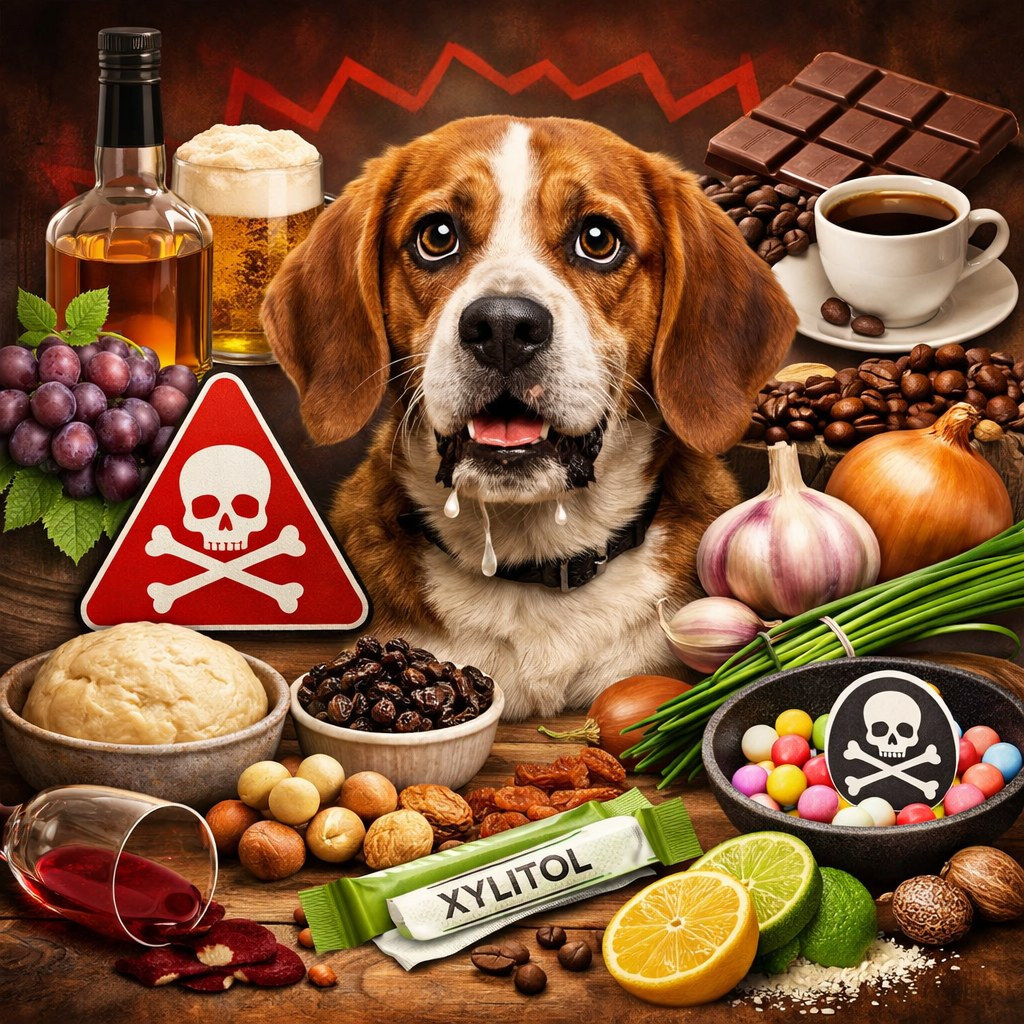
Foods That Are Toxic for Dogs
If your dog has consumed any of the following foods, it is crucial to contact your vet immediately. These foods are extremely toxic to dogs and can cause severe health problems.
Alcohol
Alcoholic beverages and products containing alcohol are toxic to dogs. Even small amounts of alcohol can cause vomiting, diarrhea, difficulty breathing, loss of coordination, tremors, coma, and even death. Alcohol has a huge impact on dogs even in small doses, not only causing intoxication as it does in humans, but it can lead to sickness, diarrhea and even central nervous system damage. The ethanol found in alcohol can severely depress a dog’s central nervous system.
Chocolate, Coffee, and Caffeine
Chocolate, coffee, and caffeine contain methylxanthines, substances found in cacao seeds. Methylxanthines are extremely toxic to dogs. When ingested by dogs, methylxanthines can cause vomiting, diarrhea, hyperactivity, cardiac changes, tremors, seizures, and even death. The darker the chocolate, the more dangerous it is due to the higher concentration of methylxanthines. Baking chocolate poses the greatest risk due to cacao seeds. If your dog consumes chocolate, coffee, or anything containing caffeine, call the vet immediately for advice.
Grapes and Raisins
Grapes and raisins are known to cause kidney failure in dogs. The exact cause of this toxicity is unknown, but even a small amount can be fatal. Some dogs have safely eaten grapes in the past and been subsequently poisoned. It’s best to consider grapes and raisins toxic and avoid feeding them to your dog entirely, to avoid fatal kidney failure.
Macadamia Nuts
Macadamia nuts contain a toxin that can affect your dog’s muscles and nervous system. Even a small number of macadamia nuts can result in weakness, vomiting, tremors, depression, and elevated body temperature in dogs. It is unknown what component of the nut is toxic, but dogs should never eat them. Macadamia nuts walnuts are toxic to dogs and should be completely avoided.
Onions, Garlic, and Chives
Garlic, onions, and chives, part of the Allium family, are toxic to dogs and cats, though cats are more sensitive. These plants contain sulfur-containing compounds that can damage red blood cells, resulting in Heinz body anemia. This can lead to weakness, exercise intolerance, depression, vomiting, diarrhea, changes in respiratory and heart rate, red urine, collapse, and death. The Allium group: garlic, onions, chives, leeks, and related plants, should be avoided. Garlic anemia risk is a real threat.
Xylitol
Xylitol is an artificial sweetener found in many products, including candies, gum, and toothpaste. It’s extremely toxic to dogs. Xylitol can cause a rapid release of insulin, leading to a drop in blood sugar (hypoglycemia) and potentially liver failure. Affected animals may vomit, have seizures, or show signs of lethargy and loss of coordination. Xylitol liver failure is a serious concern; keep xylitol-containing products away from your pets.
Raw Yeast Dough
Raw yeast dough can cause serious problems for dogs. The yeast produces gas in the intestinal tract, leading to painful bloating and potentially gastric bloat and torsion, a life-threatening condition. Additionally, the yeast produces ethanol, which can cause alcohol intoxication. Even small amounts of yeast-containing dough can be problematic for dogs.
Nutmeg
Nutmeg contains myristicin, a compound that can be toxic to dogs in large amounts. Symptoms of nutmeg poisoning include disorientation, increased heart rate, high blood pressure, dry mouth, stomach pain, and seizures. Keep nutmeg and foods containing it out of your dog’s reach.
Lemons and Limes
Lemons and limes contain psoralens, which can cause gastrointestinal irritation and central nervous system depression in dogs if consumed in large amounts. The peels, seeds, and leaves tend to contain larger amounts of this substance. An occasional small snack is unlikely to be a problem, but these fruits shouldn’t be a regular part of your dog’s diet.
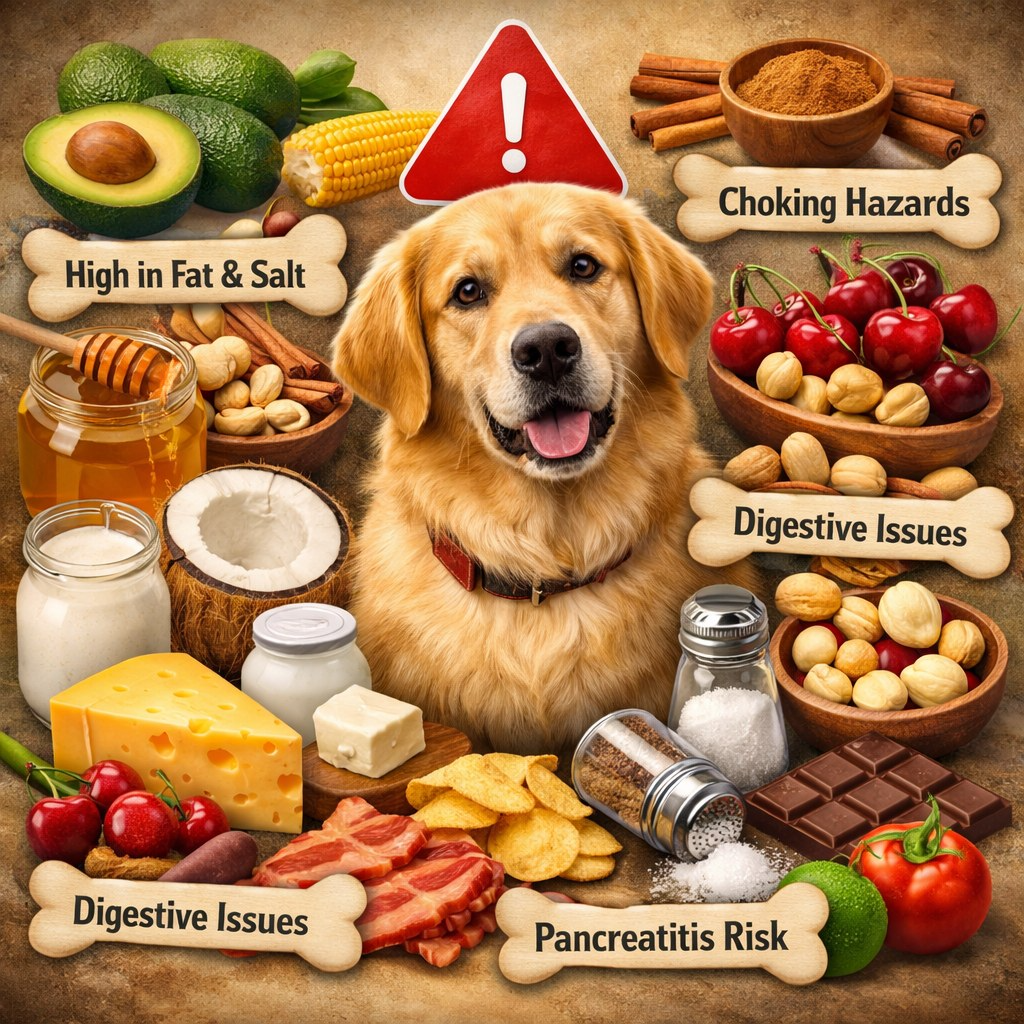
Other Foods That Are Dangerous for Dogs (Limit or Avoid)
These foods aren’t considered toxic but can still cause health issues for dogs. It’s best to avoid or limit them, even if your dog has eaten them before without showing signs of side effects. If your dog shows signs of illness after eating any of these, contact your veterinarian immediately.
Avocado
Avocados contain persin, a substance that can cause vomiting and diarrhea in dogs. While not always severely toxic, it’s best to avoid feeding avocados to your dog. Avocado persin dangers are a valid concern for pet owners.
Cashews
Cashews are high in fat and calories, which can lead to weight gain and pancreatitis in dogs if consumed in excess. Plain, unsalted, and roasted cashews are safer in moderation, but it’s best to limit their intake.
Cherries
Cherries can be problematic due to their pits, which contain cyanide and pose a choking hazard. If feeding cherries, ensure the pits are removed.
Cinnamon
Cinnamon is non-toxic to dogs, but large quantities can irritate their mouths and digestive systems. Inhaling cinnamon powder can cause coughing, choking, and breathing difficulties.
Coconut and Coconut Oil
Small amounts of coconut and coconut oil are unlikely to cause serious harm but may trigger diarrhea and gastrointestinal upset. Coconut water is high in potassium, which could cause electrolyte problems in dogs with heart or kidney issues.
Corn on the cob
Corn on the cob can be dangerous because while the corn itself is digestible, the cob can cause intestinal blockage. This can be fatal if not treated promptly.
Honey
Honey is high in sugar, which can contribute to weight gain if consumed in large quantities. Limit honey intake to small amounts as an occasional treat.
Milk and Dairy Products
Many dogs are lactose intolerant, lacking the enzyme lactase needed to break down sugars in dairy products. This can lead to vomiting, diarrhea, and other gastrointestinal issues. Additionally, dairy products are high in fat, which can cause pancreatitis.
Nuts (General)
While some nuts are safer than others, all are high in calories and fats, potentially triggering vomiting, diarrhea, and pancreatitis. Macadamia nuts and black walnuts are toxic and should be avoided entirely.
Peanuts
Plain, unsalted peanuts are safe in small quantities. However, they are high in fat and can contribute to weight gain and pancreatitis. Avoid peanuts with added salt or other seasonings.
Salt and Salty Snacks
While a large amount of salt is considered a toxin, most dogs won’t eat enough to be poisoned. However, salty foods can lead to excessive thirst and urination, vomiting, diarrhea, and depression. Dogs with high blood pressure or heart/kidney disease are more sensitive to salt’s effects.
Tomatoes
Ripe tomatoes are generally okay in small amounts. Green tomatoes, however, may contain tomatine, a toxic glycoalkaloid that can be harmful to dogs.
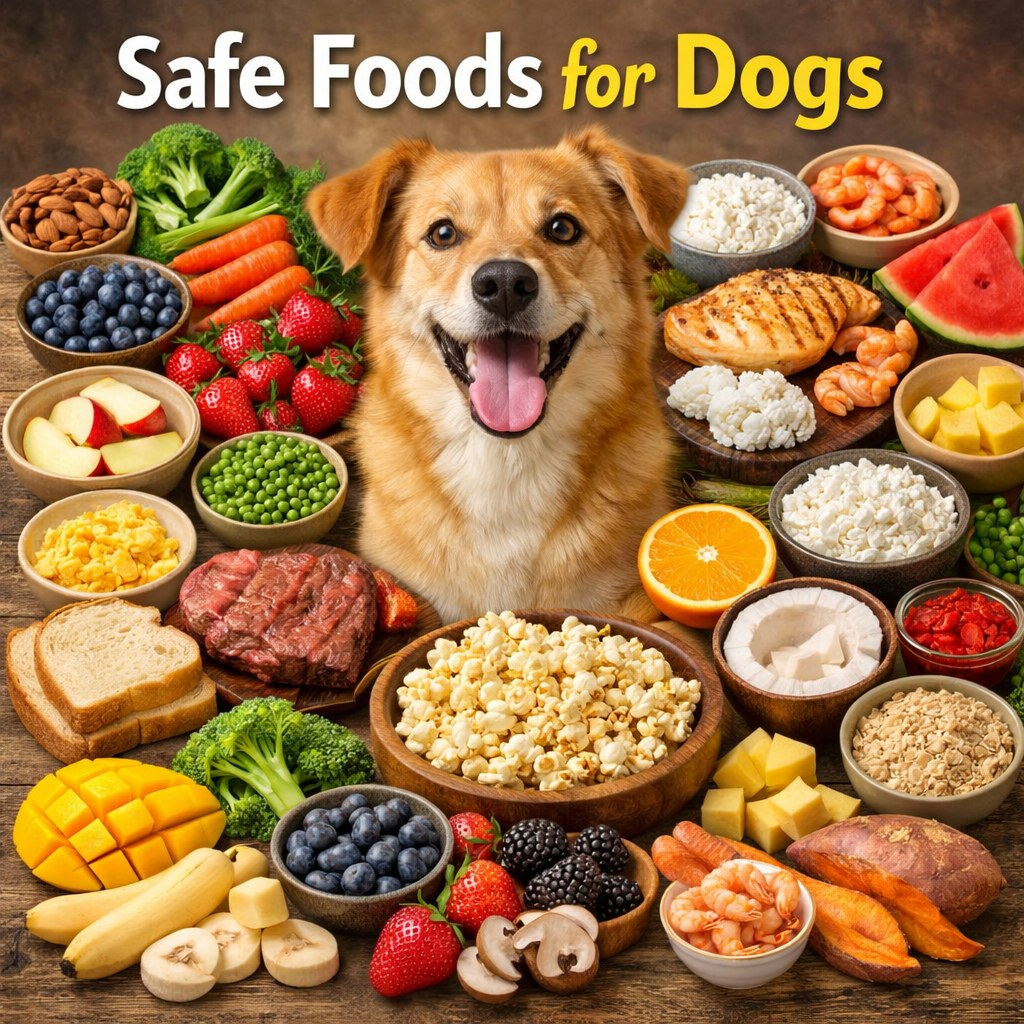
Foods That Can Be Okay For Dogs
Some human foods are generally considered safe for dogs, but always offer them in small amounts (less than 10% of your pet’s daily calories) and after consulting with your veterinarian.
Almonds
In small quantities, plain, unsalted almonds are generally safe, but they can be difficult for dogs to digest and may lead to vomiting and diarrhea.
Apples
Apples (without the seeds, which contain cyanide) are a good source of vitamins, minerals, and fiber for dogs.
Bananas
Bananas are high in fiber and several vitamins and minerals, making them a healthy treat in moderation.
Beef
Cooked, lean beef is an excellent source of protein and essential nutrients for dogs.
Blackberries
Fresh or frozen blackberries are low in calories and rich in vitamins, minerals, and antioxidants.
Blueberries
Blueberries are a rich source of antioxidants and provide vitamins, minerals, and fiber.
Bread
Plain white or whole grain bread is safe for most dogs as an occasional treat.
Broccoli
Raw or cooked broccoli is a low-calorie vegetable that contains high amounts of many nutrients.
Carrots
Both raw and cooked carrots are low in calories and a good source of vitamins, minerals, and fiber.
Celery
In small amounts, celery is a safe snack that is low in calories and an excellent source of many vitamins and minerals.
Chicken
Cooked chicken is a healthy food and an excellent source of protein for dogs.
Coconut
Coconut meat and coconut oil, in small amounts, are safe for dogs and may benefit their skin and fur.
Corn
Corn in moderate amounts is a common ingredient in many types of dog food and a good source of some vitamins and minerals.
Cottage Cheese
Dogs can eat cottage cheese in small amounts, but some may experience digestive issues.
Eggs
Cooked eggs are perfectly safe and nutritious, providing vitamins, minerals, and protein.
Green Peas
Green peas are low in calories and high in many nutrients, making them a healthy treat.
Mango
Mangoes are very healthy in small amounts, providing several vitamins and minerals, in addition to lots of fiber.
Mushrooms
Store-bought mushrooms are safe for dogs to eat, but only plain ones without added garlic or onions.
Oatmeal
Plain oatmeal provides lots of fiber and some vitamins and minerals.
Oranges
Oranges are an excellent treat for dogs in small quantities, as they are high in nutrients and low in calories.
Pineapple
Fresh pineapple is safe in small amounts and full of many vitamins, minerals, and fiber.
Popcorn
Dogs can eat popcorn as an occasional treat, as long as it doesn’t contain any extra ingredients like salt or butter.
Pork
Cooked pork without added spices, seasonings, or sauces is safe for dogs to eat.
Potatoes
Dogs can eat plain potatoes that have been cooked, as cooking reduces solanine levels.
Rice
Plain and cooked brown or white rice is very easy for dogs to digest and may help relieve an upset stomach.
Salmon
Cooked, boneless salmon is a safe and healthy food, a great source of omega-3 fatty acids.
Shrimp
You can feed plain, cooked shrimp to your dog, as it is an excellent source of protein and provides a significant amount of vitamins and minerals.
Strawberries
Your dog can safely eat strawberries in moderation, as they are low in calories but high in nutrients, antioxidants, and fiber.
Sweet Potatoes
Sweet potatoes are easy for dogs to digest and rich in vitamin A.
Turkey
Most dogs are able to eat plain turkey without adverse effects.
Watermelon
Watermelon is safe for dogs to eat, as long as it doesn’t contain the rind or seeds.
What should I do if my dog has eaten any of these?
If your dog has consumed a toxic food, it is essential to act immediately. Contact your veterinarian or an animal poison control center right away. Time is of the essence, and prompt action can significantly improve your dog’s chances of recovery. Be prepared to provide information about what your dog ate, how much they consumed, and when they ate it.
Want more advice?
For more information on dog nutrition and health, consult with your veterinarian. They can provide personalized advice based on your dog’s specific needs and health conditions.
Other Ways to Help:
You can also support organizations dedicated to animal welfare and safety.
Help the ASPCA Put a Stop to Animal Cruelty
Consider donating to the American Society for the Prevention of Cruelty to Animals (ASPCA) to support their efforts in preventing animal cruelty and providing care for animals in need. Your donation can help them continue their important work.
Our Partnerships
Explore partnerships with organizations dedicated to promoting responsible pet ownership and preventing animal cruelty. Working together can make a significant impact on the lives of animals.
“Toxic and Safe Human Foods Dogs Can & Can’t Eat” is a crucial aspect of responsible pet ownership. By understanding the dangers of foods like alcohol, chocolate, grapes, onions, and xylitol, and by limiting foods like dairy, salt, and nuts, while offering safe options such as apples, carrots, chicken, and rice, owners can ensure their dogs lead healthier, happier lives. This knowledge not only prevents accidental poisonings but also allows for the occasional healthy treat, contributing to a balanced diet.
The benefits of understanding these food categories extend beyond immediate health concerns. It fosters a stronger bond between owner and pet through informed care and prevents long-term health issues associated with poor dietary choices. By being vigilant about what dogs ingest, owners contribute to their overall well-being and quality of life.
Ultimately, this article serves as a comprehensive guide for dog owners navigating the complexities of human food and its impact on canine health. By adhering to these guidelines, owners can confidently provide a safe and nutritious diet for their beloved pets, ensuring they thrive for years to come.
















Leave a Reply