

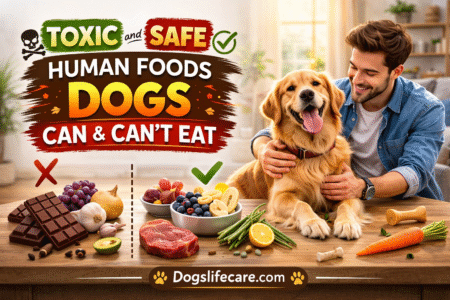
You love your dog and want to share good food, but some human foods can hurt them. Know which foods are safe, which to limit, and which can poison your dog so you can protect their health right away. This guide gives clear rules for feeding human food, common safe choices, and the dangerous items to avoid.
You’ll learn simple tips for serving people food safely, which treats boost health, and which everyday items like chocolate, garlic, or certain nuts belong in the “never” pile. Keep this post handy so you can make quick, confident choices when your dog begs at the table.
- Essential Rules for Feeding Dogs Human Food
- Key Guidelines for Safe Sharing
- Recognizing Warning Signs of Toxicity
- Consulting Veterinarians and Poison Control
- Safe Human Foods for Dogs
- Fruits Dogs Can Eat
- Vegetables and Greens Safe for Dogs
- Proteins and Dairy Products Dogs Can Have
- Grains and Other Safe Options
- Toxic Human Foods Dogs Should Never Eat
- Common Foods Toxic to Dogs
- Dangerous Additives and Ingredients
- Health Risks of Toxic Exposure
Essential Rules for Feeding Dogs Human Food
Feed small, plain portions and avoid seasonings, bones, and high-fat or high-sugar items. Know signs of poisoning and have a plan to contact your veterinarian or the ASPCA Animal Poison Control right away.
Key Guidelines for Safe Sharing
Only give plain, fully cooked meats (no bones, no skin) and small amounts of fruits or vegetables that are known safe for dogs. Remove pits, seeds, and cores from fruits. Cut food into bite-size pieces to prevent choking.
Limit treats from your plate to 10% or less of your dog’s daily calories. Avoid foods with garlic, onion, grapes, raisins, macadamia nuts, xylitol, alcohol, or caffeine. Check labels for xylitol in peanut butter, gum, and baked goods.
Use these safe-prep steps:
- Plain cooking, no salt, butter, or sauces
- Remove bones, shells, and husks
- Cool hot food before offering
- Start with a teaspoon-sized portion for new foods
Recognizing Warning Signs of Toxicity
Watch for vomiting, diarrhea, drooling, weakness, tremors, or seizures after your dog eats something new. Early signs can be subtle—restlessness, pacing, or loss of appetite may appear first.
Note timing and quantity. If your dog ate chocolate, xylitol, grapes, or large amounts of fatty food, treat it as an emergency. Keep a photo or list of the food eaten and the package label handy.
Call your vet or the ASPCA Animal Poison Control (888‑426‑4435 in the U.S.) immediately if you suspect poisoning. Follow instructions precisely and bring packaging or food samples to the clinic if advised.
Consulting Veterinarians and Poison Control
Contact your regular vet for non-emergency questions about safe human foods for dogs and portion sizes. Your vet can advise based on age, weight, breed, and health conditions like pancreatitis or diabetes.
For suspected poisoning, call the ASPCA Animal Poison Control or your local poison helpline right away. Be prepared to give your dog’s weight, the exact food, amount eaten, and time since ingestion.
Document follow-up care and any symptoms. If you must travel to a clinic, bring the food container or a sample and a photo of the dog’s recent behavior to help clinicians act quickly.
Safe Human Foods for Dogs
You can safely share certain fruits, vegetables, proteins, dairy, and grains with your dog when you prepare them correctly and serve small amounts. Focus on plain, cooked or fresh options without salt, sugar, spices, bones, or pits.
Fruits Dogs Can Eat
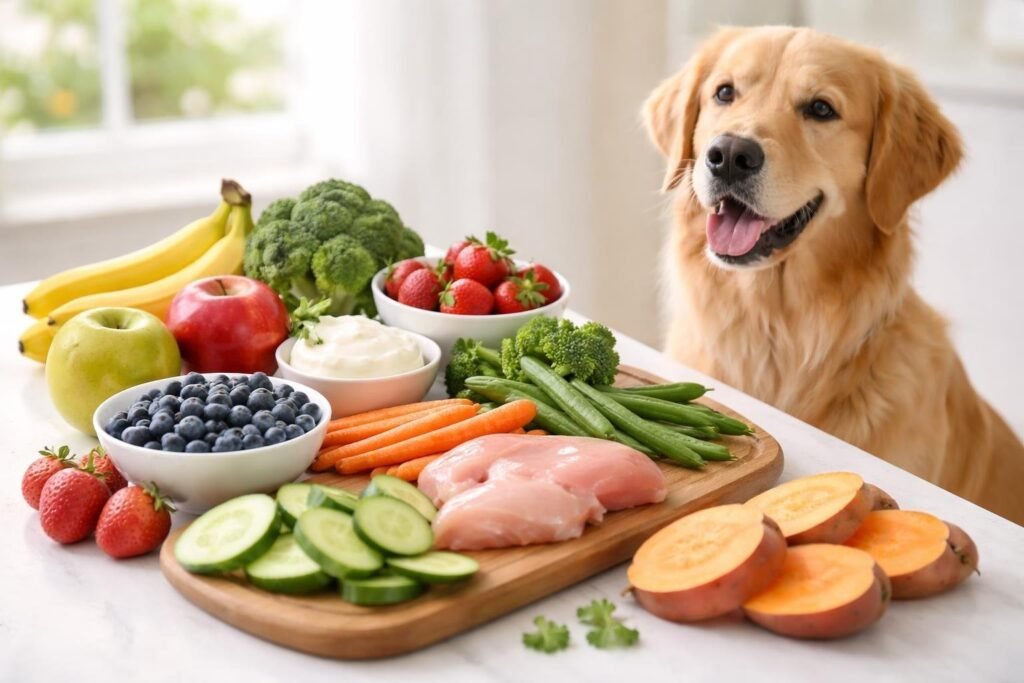
Many fruits make good treats and provide vitamins and fiber. Safe choices include apples (remove core and seeds), bananas (small slices), blueberries, cantaloupe (no rind or seeds), and strawberries. These fruits offer vitamin C, potassium, and antioxidants.
Serve fruit in bite-sized pieces to avoid choking. Limit portions because fruit sugars can add up; for example, give no more than a few slices or a tablespoon per 10 pounds of body weight as an occasional treat. Never feed grapes or raisins—they are toxic.
Watch for digestive upset after new fruits. If your dog has diabetes or weight issues, check with your vet before adding fruit.
Vegetables and Greens Safe for Dogs
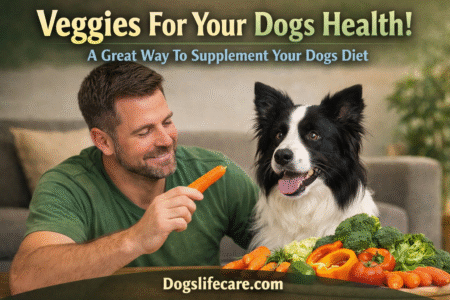
Plain vegetables can add fiber and nutrients to your dog’s diet. Safe options include carrots, green beans, bell peppers (no seeds or stems), cucumbers, steamed broccoli in small amounts, and cooked sweet potato (no butter or spices). These provide vitamins A and K, fiber, and low-calorie crunch.
Always cook tough vegetables until soft for easier digestion and cut into small pieces for small dogs. Avoid raw onions, garlic, chives, and large amounts of cruciferous vegetables that can cause gas. Use vegetables as occasional toppers or low-calorie treats, not as the main food.
If your dog has pancreatitis or other digestive conditions, ask your vet which vegetables are safe.
Proteins and Dairy Products Dogs Can Have
Lean, cooked proteins help meet your dog’s protein needs. Plain cooked chicken, turkey, lean beef, and cooked eggs are safe and nutritious. Eggs should be cooked (scrambled or boiled) to reduce salmonella risk and improve digestibility. Remove skin and bones from poultry.
Cheese and plain yogurt can work as high-value training treats in small amounts, but many dogs are lactose intolerant. Choose low-fat, unsalted cheeses like cottage cheese or mozzarella and plain, unsweetened yogurt. Avoid blue cheese and any dairy with xylitol or artificial sweeteners.
Always remove bones and avoid seasoned or fatty meat that can trigger pancreatitis. Introduce new proteins slowly to watch for allergies.
Grains and Other Safe Options
Some grains and pantry foods are safe when plain and cooked. Plain rice (white or brown), plain oatmeal, and plain cooked pasta are digestible fillers during upset stomachs or as occasional additions. Small amounts of whole-grain bread without raisins or garlic are okay sparingly.
Avoid raw dough and anything with xylitol, caffeine, chocolate, or alcohol. Plain peanut butter is a popular treat—check the label to make sure it contains no xylitol. Offer tiny portions of seeds like unsalted pumpkin seeds for fiber and minerals.
When adding grains or pantry items, keep portion sizes small and count them toward daily calorie needs to prevent weight gain.
Toxic Human Foods Dogs Should Never Eat
Some everyday foods and common ingredients can cause vomiting, seizures, organ failure, or death in dogs. Know the specific items to avoid and what signs to watch for so you can act fast if your dog eats something dangerous.
Common Foods Toxic to Dogs
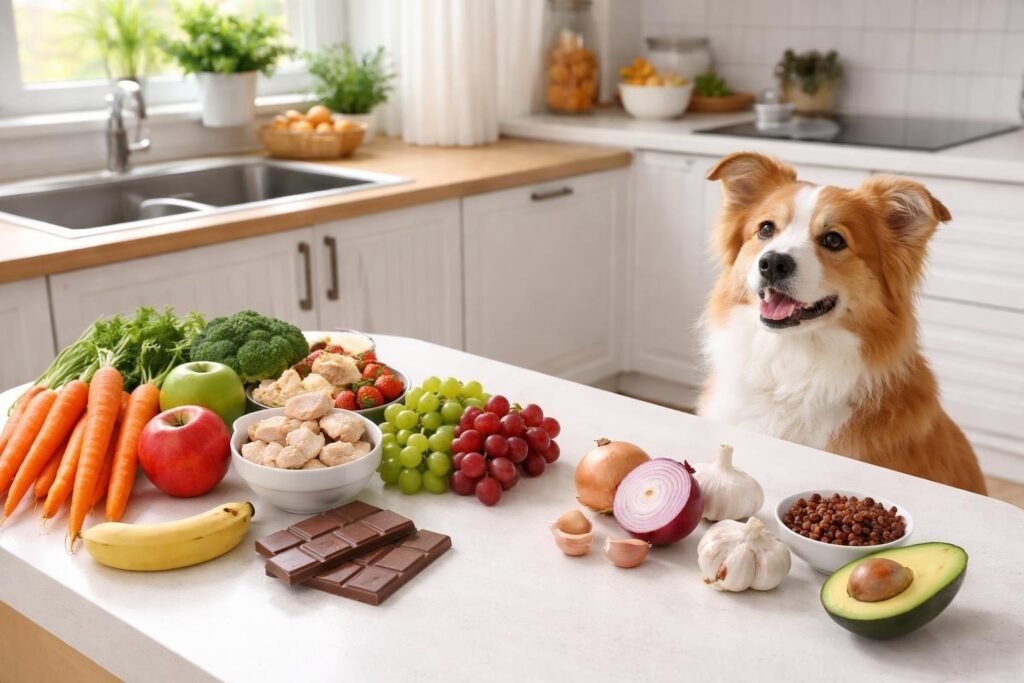
Many household foods are directly poisonous to dogs. Chocolate (especially dark or baking chocolate) contains theobromine and caffeine that can cause restlessness, tremors, rapid heart rate, and seizures. Grapes and raisins can cause sudden kidney failure even in small amounts. Macadamia nuts lead to weakness, overheating, vomiting, and trouble walking. Onions, garlic, leeks, and chives damage red blood cells and can cause anemia; effects may be delayed for days.
Avoid feeding your dog raw bread dough — rising dough creates gas and alcohol in the stomach, causing bloating, pain, and intoxication. Xylitol, a sweetener in gum, candy, and some peanut butters, triggers a fast, dangerous drop in blood sugar and acute liver failure. Never give alcohol, caffeine, or foods high in salt and fat (like greasy fast-food) — these can cause dehydration, pancreatitis, or shock.
Dangerous Additives and Ingredients
Watch labels for hidden toxins before sharing human food with your dog. Xylitol appears in sugar-free gum, toothpaste, peanut butter, baked goods, and some diet foods; even small amounts can be life-threatening. Artificial sweeteners other than xylitol may upset digestion and should be avoided. High-salt seasonings and brines can cause sodium ion poisoning; signs include vomiting, tremors, and seizures.
Seasonings and sauces often contain onion or garlic powder, MSG, alcohol, or excess fat. Bones from cooked poultry or fish can splinter and cause choking, mouth injuries, or intestinal tears. Also avoid nut-based oils high in fat and any moldy food, which can contain toxic mycotoxins. When in doubt, check ingredient lists and choose plain, unseasoned foods that are known safe for dogs.
Health Risks of Toxic Exposure
Toxic foods affect dogs in several specific ways depending on the substance. Some cause acute neurologic signs: chocolate and caffeine can lead to hyperactivity, tremors, and seizures. Xylitol causes rapid hypoglycemia (weakness, wobbliness, collapse) and can progress to liver failure within 24–72 hours. Grapes and raisins may show initial vomiting then silent kidney damage that becomes apparent as decreased urine and lethargy.
Other risks include gastrointestinal obstruction from bones or corn cobs, and pancreatitis from high-fat meals, which causes severe abdominal pain, vomiting, fever, and sometimes life-threatening complications. Quick action matters: contact your veterinarian or an emergency poison helpline immediately if your dog consumes a toxic food. Save packaging or a sample to help identify ingredients and guide treatment.







Leave a Reply