
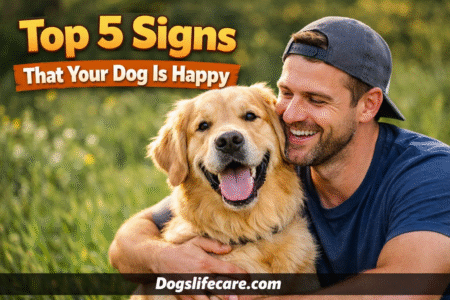
You want a quick, reliable way to tell if your dog feels happy and loved. Watch how they move, eat, sleep, and seek affection those simple cues reveal a lot about their mood and health. A wagging tail that’s loose and full-body, bright eyes with relaxed ears, playful energy, a healthy appetite, and steady sleep are clear signs your dog is happy.
Throughout this post you’ll learn how to spot each of those signs and what they mean day to day. Use those cues to strengthen your bond, notice when something’s off, and give your dog the care they truly need.
- Recognizing a Wagging Tail
- What Tail Movements Indicate Happiness
- Differences Between Excitement and Contentment
- Bright Eyes and Relaxed Ears
- Reading Your Dog’s Facial Expressions
- How Ears Position Reflects Mood
- Playful Behavior and Positive Energy
- Initiating Play and Interaction
- Bouncing and Joyful Movements
- Healthy Appetite and Good Sleep Patterns
- Eating Well and Enthusiastically
- Comfortable Rest and Relaxed Sleeping Positions
- Affectionate Actions and Social Engagement
- Seeking Attention and Physical Touch
- Friendly Behavior Toward People and Pets
- Frequently Asked Questions
- How can you tell if your dog is content and satisfied?
- What behaviors indicate that my dog feels joy and pleasure?
- How does a dog express happiness towards its owner?
- Are there specific actions that signify a dog’s positive emotional state?
- What changes in my dog’s body language should I look for as signs of happiness?
- In what ways do dogs show they are relaxed and comfortable in their environment?
Recognizing a Wagging Tail
A tail can show a lot about how your dog feels. Watch tail height, speed, stiffness, and direction together with the rest of the body to know if your dog is happy, excited, or stressed.
What Tail Movements Indicate Happiness
A loose, sweeping wag with the tail at a mid-level usually means your dog feels friendly and relaxed. The wag will look rhythmic and smooth, and your dog’s whole body may waver with it. Ears and mouth will often match this calm state soft eyes, relaxed ears, and a slightly open mouth.
A slow, gentle wag while your dog rests or sits often signals contentment. This is different from a fast, tense wag. Fast wags with a loose body can mean eager joy, while fast, stiff wags paired with a tense body or hard stare can mean agitation. Always read the tail along with posture, facial expression, and context.
Differences Between Excitement and Contentment
Excitement shows in the tail as high energy: rapid side-to-side movements, sometimes with the tail held higher than usual. Your dog may bounce, vocalize, or bring you a toy at the same time. This wag is quick and broad, and the rest of the body looks animated.
Contentment shows as slower, lower wags or a relaxed tail held at neutral height. Your dog will move less overall and may lean into you or settle down. If the tail is stiff, pinned low, or the wag is one-sided, do not assume happiness; check for stress signals like lip licking or tucked body language.
Bright Eyes and Relaxed Ears
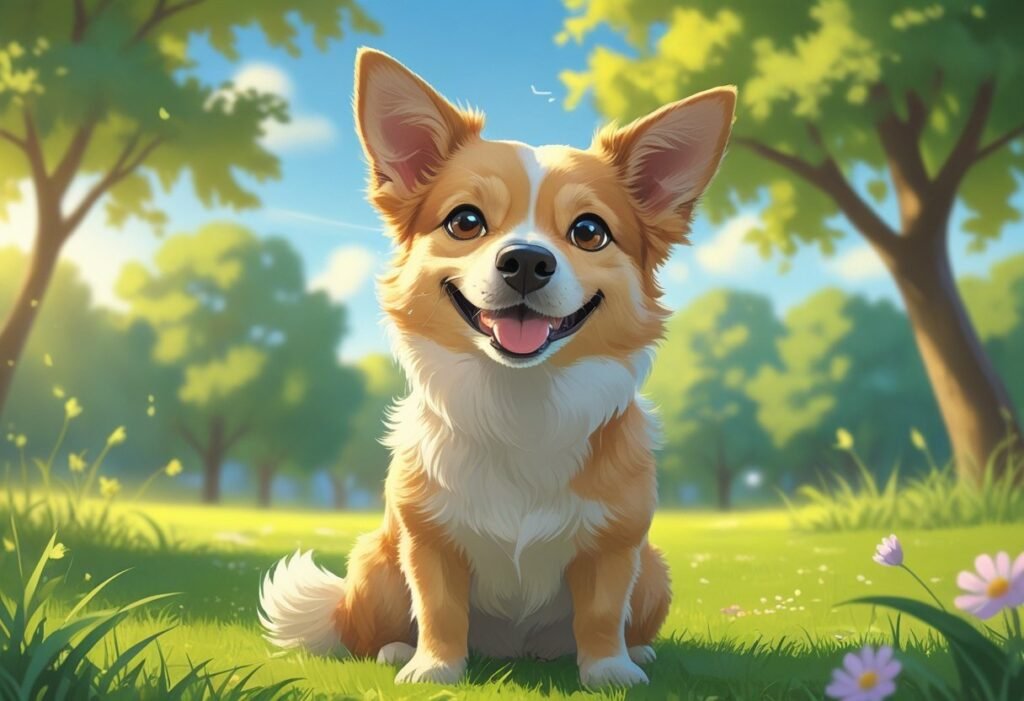
You can tell a lot from your dog’s face. Look for soft eyes, a relaxed mouth, and ears that sit naturally—these signs show comfort and trust.
Reading Your Dog’s Facial Expressions
Watch the eyes first. Bright, soft eyes that blink slowly mean your dog is calm and paying attention. Avoid staring; a hard, fixed stare or wide whites (whale eye) can signal stress.
Pay attention to the mouth. A slightly open mouth with a loose tongue or a relaxed “smile” often shows contentment. Tightly closed lips, lip licking, or yawning can mean nervousness instead.
Check the whole face together. Lifted eyebrows, relaxed cheeks, and a steady gaze with no tension in the muzzle point to a happy dog. Use short observations during play, walks, and rest to learn your dog’s normal face so you spot changes quickly.
How Ears Position Reflects Mood
Note your dog’s ear shape and natural position pricked, folded, or floppy so you can read changes. Ears held in their normal, neutral place show comfort and interest.
Ears pushed forward usually mean curiosity or focus, especially if paired with a wagging tail. Ears pulled back against the head often show worry or submission, particularly if combined with a tucked tail or lowered body.
Remember context: at the vet or during loud noises, ears may flatten from fear even in usually happy dogs. Compare ear position with other body signs like posture and tail to get a clear picture of your dog’s mood.
Playful Behavior and Positive Energy
Playful behavior shows when your dog feels safe, excited, and bonded with you. Look for signs like bringing toys, playful bows, lively jumps, and short, happy vocalizations.
Initiating Play and Interaction
When your dog brings a toy to you, they ask for a game or attention. They may drop the toy at your feet, paw at your hand, or nudge you with their nose. These actions mean they want an interaction that includes you, not just solo play.
Watch for a play bow: front legs down, rear end up. That pose invites play and reduces tension. If your dog alternates between gentle mouthing and eager tail wags, they’re engaging in friendly, controlled play. Reward this behavior with a quick game or praise so they learn playing with you is positive.
Pay attention to timing. A dog that approaches you during calm moments to start play trusts you. If they respect “no” and stop when you ask, their play is healthy and balanced.
Bouncing and Joyful Movements
Energetic, bouncy movements tell you your dog feels good in the moment. Short, springy jumps, quick spins, and running in patterns (zoomies) show high energy and joy. These actions often happen after naps, during walks, or when you return home.
Look at body language: loose muscles, relaxed mouth, and wide eyes paired with movement mean excitement without stress. Stiffness, fixed stare, or hard panting with bouncing can signal anxiety, so watch the whole posture. You can channel this energy into fetch, tug, or structured play sessions to burn off excess excitement safely.
Keep play sessions timed and predictable. Frequent short games help your dog release energy without getting over-stimulated.
Healthy Appetite and Good Sleep Patterns
A steady appetite and calm sleep show your dog feels safe and well. Look for regular feeding habits and relaxed, deep rest as signs of comfort and good health.
Eating Well and Enthusiastically
You should see your dog approach meals with interest and eat without long pauses. Healthy dogs usually finish their food within a predictable time and show eagerness at mealtimes. If your dog sniffs, wags, or moves to their bowl when food appears, that suggests good appetite and emotional comfort.
Watch portion sizes and weight to make sure appetite matches body condition. Sudden increases or drops in eating can signal illness, dental pain, or stress. If you notice vomiting, diarrhea, or consistent refusal to eat for more than 24 hours, contact your vet.
Use a simple feeding routine to support appetite: set regular meal times, offer measured portions, and avoid frequent table scraps. Consistency helps digestion and makes changes in eating easier to spot.
Comfortable Rest and Relaxed Sleeping Positions
You should notice predictable sleep patterns and calm behavior during naps and night sleep. A happy dog sleeps through the night in their bed or favorite spot and wakes alert and ready for activity. Short bursts of deep sleep, plus light dozing between play, are normal.
Pay attention to sleeping posture. Dogs that sleep on their side or in a belly-up position usually feel safe and comfortable. Tense, hunched, or restless sleep can mean pain, anxiety, or discomfort.
Create a sleep-friendly space: a quiet bed, moderate room temperature, and limited night noise. If your dog starts pacing, whining, or shows trouble settling down, track timing and triggers, then discuss them with your veterinarian.
Affectionate Actions and Social Engagement
Your dog shows affection by asking for contact and by how they act around people and other animals. Watch for repeated, clear behaviors like leaning, following, relaxed greetings, and calm play to gauge their comfort and bond.
Seeking Attention and Physical Touch
Your dog may press against you, rest a paw on your leg, or nudge your hand to ask for pets. These actions are direct requests for contact and comfort; they often repeat the same gesture until you respond.
Look for relaxed body language when they seek touch: soft eyes, loose tail, and a relaxed mouth. If your dog stiffens, snarls, or pulls away, the contact is not welcome and you should stop.
Some dogs bring toys, lick your hand lightly, or roll onto their back to invite belly rubs. Puppies and senior dogs may seek touch more often puppies for learning and seniors for reassurance. Respond gently and consistently so your dog learns that asking for attention gets safe, positive results.
Friendly Behavior Toward People and Pets
A happy dog greets people calmly with a wagging tail and a relaxed approach instead of jumping wildly or fixating. They check in with you during walks, glance back, or stay near you when strangers are nearby.
Around other dogs, watch for loose play bows, relaxed wrestling, and clear signals to stop. Avoid forcing interactions; true friendliness includes taking breaks and heeding the other animal’s cues.
When meeting new people, a content dog will sniff politely, offer a soft body lean, or sit nearby rather than show tense staring, lunging, or hiding. These behaviors show trust and good social skills that you can encourage with steady training and positive rewards.
Frequently Asked Questions
You can spot happiness by watching how your dog moves, where they put their ears and tail, and how they seek contact with you. Look for relaxed muscles, playful bursts, and steady eating and sleeping habits to judge their mood.
How can you tell if your dog is content and satisfied?
A content dog holds a loose body, soft eyes, and a relaxed mouth. They eat well, sleep in normal patterns, and settle calmly after play.
You may also see them choose to rest near you without appearing tense. Quiet chewing on a toy or gentle tail wags are signs of comfort.
What behaviors indicate that my dog feels joy and pleasure?
Joyful dogs give you quick, bouncy movements like the zoomies or playful bowing. They often bring toys to you and invite play with a wagging tail and bright eyes.
They may vocalize with short, happy barks or gentle sighs. Repeated happy behaviors after walks, meals, or petting show pleasure.
How does a dog express happiness towards its owner?
Dogs lean into you, nudge your hand, or rest their head on your lap to show affection. They greet you eagerly at the door and follow you around the house.
A happy dog seeks gentle contact and will offer relaxed eye contact. They do not freeze, cower, or avoid you during these moments.
Are there specific actions that signify a dog’s positive emotional state?
Yes. Rolling onto the belly, relaxed tail wagging, and playful chasing are clear signs. A dog that initiates contact or offers a paw is usually feeling safe and happy.
Consistent good appetite, regular sleep, and normal bathroom habits also reflect positive emotion.
What changes in my dog’s body language should I look for as signs of happiness?
Watch for soft eyes, relaxed ears, and a loose, wagging tail. The mouth may be slightly open with a relaxed jaw, not tense or snarling.
Avoiding stiff posture, tucked tail, or pinned ears helps confirm the dog is not stressed.
In what ways do dogs show they are relaxed and comfortable in their environment?
Dogs lie on their side, sprawl out, or expose their belly when they feel safe. They settle down quickly after activity and sleep through normal household noises.
They will explore calmly, sniff around without panic, and return to you for reassurance rather than hiding.
Click here
Click here
Click here
Click here
Click here
Click here
Click here
Click here
Click here
Click here
Click here
Click here












Leave a Reply