


Back pain in dogs can be easy to miss at first. A slower walk here, a skipped jump there. With IVDD (Intervertebral Disc Disease), those small changes can progress fast from mild soreness to paralysis.
IVDD happens when the cushions between the vertebrae fail and press on the spinal cord. Quick vet care protects the spine, helps control pain, and gives many dogs the chance to walk again.
Key Takeaways:
- IVDD (Intervertebral Disc Disease) occurs when the cushions between a dog’s vertebrae bulge or rupture, pressing on the spinal cord.
- Dogs with long backs and short legs, like Dachshunds, Beagles, Corgis, and French Bulldogs, are at higher risk.
- Age, genetics, past spinal injuries, and a history of disc problems increase the likelihood of IVDD.
- Early signs of IVDD can be subtle, such as slower walking, reluctance to jump, or a stiff back.
- Dogs may cry, tremble, or tense up when picked up if experiencing back pain.
- Serious symptoms, like dragging legs, wobbling, knuckling paws, or loss of bladder control, require immediate veterinary attention.
- Diagnosis usually involves a physical and neurological exam, along with X-rays, MRI, or CT scans.
- Dogs with mild IVDD may improve with conservative care without the need for surgery.
- Severe cases, especially those with paralysis or loss of sensation, often need spinal surgery for the best recovery outcome.
- Conservative care includes strict rest, pain medications, anti-inflammatories, and sometimes muscle relaxers.
- Physical therapy, hydrotherapy, and targeted exercises can help stabilize the spine during recovery.
- At home, using ramps, non-slip rugs, and carrying dogs for stairs reduces further strain on the back.
- Maintaining a healthy weight is crucial to prevent extra pressure on the spine.
- Preventive measures include avoiding rough play, high jumps, and sudden twisting movements.
- Prompt recognition and treatment of IVDD give dogs the best chance to return to an active, happy life.
What Is IVDD and Which Dogs Get It?
IVDD is a spinal condition in which the soft discs between vertebrae bulge or rupture. When that disc material pushes into the spinal canal, it squeezes the spinal cord and its nerves. That pressure causes pain, weakness, and sometimes loss of feeling.
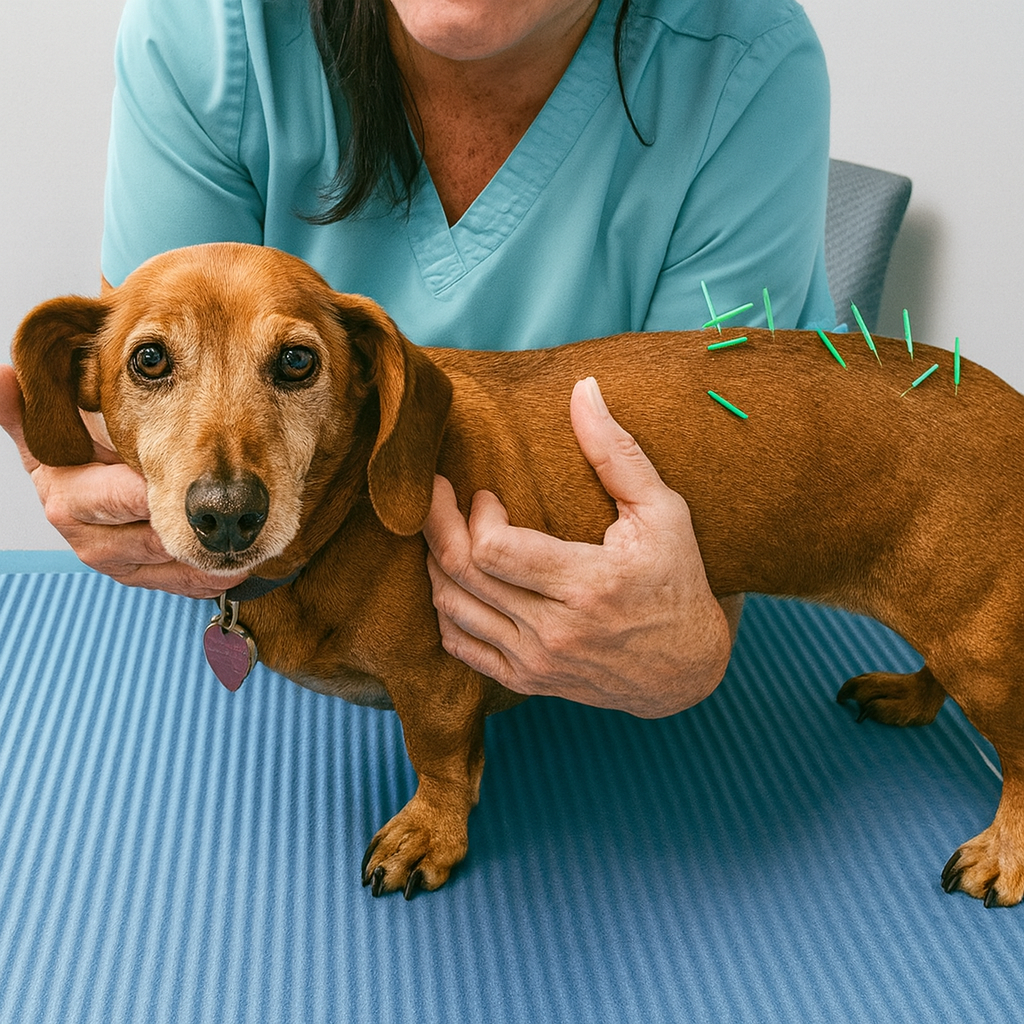
Breeds with long backs and short legs are at higher risk. Dachshunds, Beagles, Corgis, Poodles, French Bulldogs, and many spaniels are common patients. Some large breeds can develop IVDD too. Age, genetics, and a history of disc problems all raise the risk.
Why IVDD Causes Back Pain
Picture each disc as a small cushion between two hard blocks of bone. When a cushion dries out, cracks, or slips, the bone edges and loose material press on the nerves that carry messages to the legs and body. Nerves do not like pressure, so the dog feels sharp pain, burning, or numbness.
Common Risk Factors Owners Should Know
Risk is higher in dogs with a long-backed body shape, extra body weight, or a history of jumping off beds and couches. Rough play and twisting games can add strain over time.
Getting older, past spinal injuries, and family history of IVDD also matter. If you share life with a high-risk breed, be more watchful for any new back pain or weakness.
Signs of IVDD Back Pain You Should Never Ignore
Early action often means a better outcome. Learning the signs helps you decide when to call your vet.
Early Red Flags of IVDD in Dogs
Mild signs can look like a “bad back day.” Dogs may:
- Refuse to jump or climb stairs
- Walk with a stiff or hunched back
- Cry or tense up when picked up
- Shake, tremble, or show tight back muscles
- Move more slowly, seem weak, or go off by themselves
Even if your dog still walks, these signs deserve a prompt vet visit.
Serious Symptoms That Need Emergency Care
Dragging back legs, wobbling, crossing or knuckling paws, sudden loss of bladder or bowel control, or any rapid paralysis are emergencies. Go to your vet or an ER clinic at once.
How Vets Treat IVDD Back Pain and Help Dogs Recover
Diagnosis and When Surgery Is Needed
Vets start with a physical and neurologic exam, then use X-rays and often MRI or CT to find the damaged disc. Detailed guides, like the one from Fitzpatrick Referrals on intervertebral disc disease, explain how these tools guide treatment.
Dogs with mild pain and good leg strength may manage without surgery. Dogs that cannot walk or lose pain sensation usually need spinal surgery to relieve pressure. Fast surgery often gives the best chance for walking again.
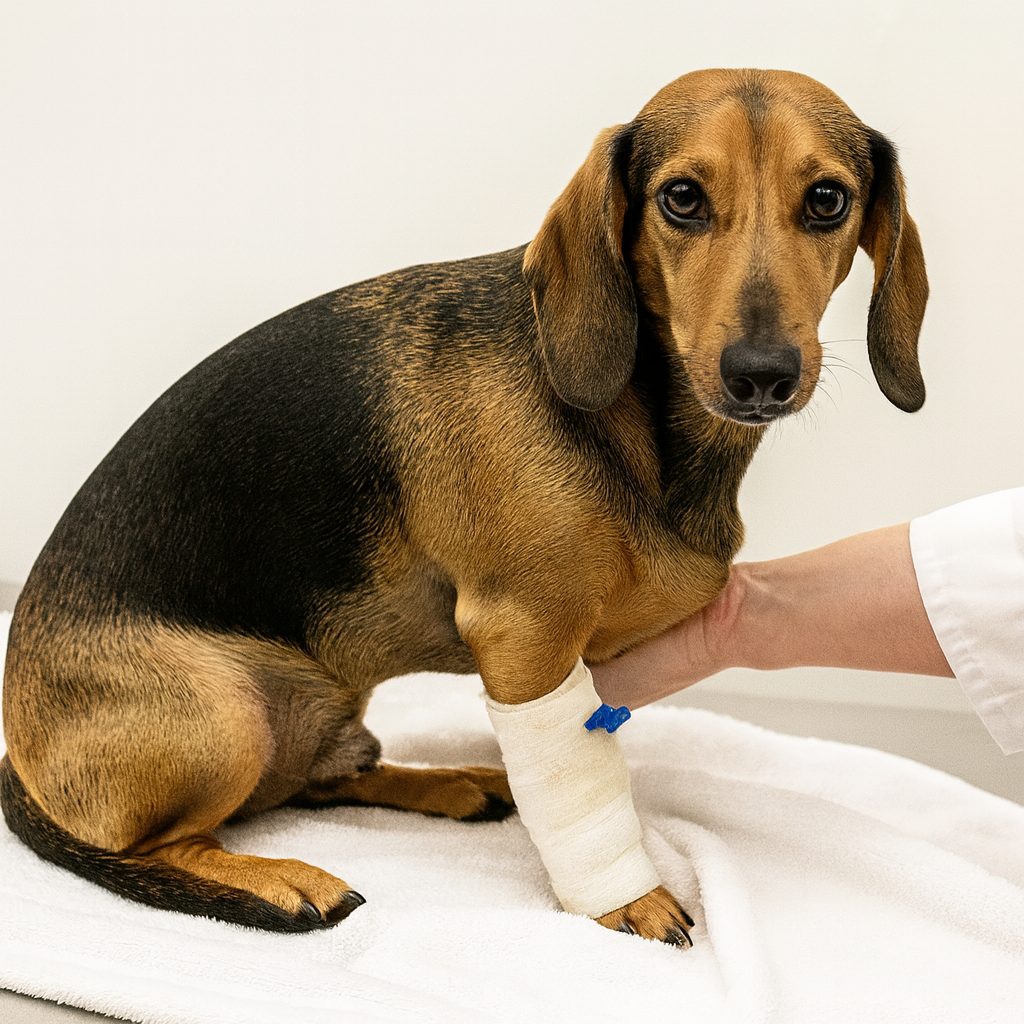
New options, such as enzyme injections into the disc in research settings, aim to reduce pressure with smaller procedures, but these are not yet standard everywhere.
Conservative Care, Rest, and Pain Control
For many dogs, strict rest is the core of treatment. Vets often prescribe crate rest, pain medicine, anti-inflammatory drugs, and sometimes muscle relaxers. Some specialty centers, such as those that focus on rehab like RehabVet’s IVDD program, use physical therapy, hydrotherapy, and targeted exercises once the spine is stable.
At home, use a crate or small pen, non-slip rugs, and ramps. Carry your dog for stairs and avoid letting them jump while healing.
Simple Steps to Protect Your Dog’s Back Long Term
Keep your dog at a healthy weight, use ramps or pet steps for furniture, and skip rough jumping games. Choose steady walks over intense, high-impact play.
Some dogs have more than one disc episode. Quick checks with your vet for any new back pain give your dog the best chance to recover each time.
Conclusion
IVDD back pain is serious, but many dogs do well with fast vet care, the right treatment plan, and patient home support. The key is to treat any new back pain as urgent, not as “just getting older.”
If your dog shows the signs listed above, call your vet rather than wait and see. With prompt help, many dogs return to a happy, active life filled with safe walks, gentle play, and plenty of comfort.
FAQs:
What is IVDD in dogs?
IVDD (Intervertebral Disc Disease) is a condition where the soft discs between a dog’s vertebrae bulge or rupture, putting pressure on the spinal cord and causing pain, weakness, or even paralysis.
2. Which dog breeds are most at risk for IVDD?
Dogs with long backs and short legs, such as Dachshunds, Beagles, Corgis, French Bulldogs, Poodles, and many Spaniels, are more prone to IVDD. Large breeds can also be affected.
3. What causes IVDD in dogs?
IVDD can result from age-related disc degeneration, genetics, spinal injuries, excessive jumping, rough play, or carrying extra body weight.
4. What are the early signs of IVDD back pain?
Early signs include reluctance to jump, stiff or hunched back, slower movement, trembling, crying when picked up, or general weakness.
5. How can I tell if my dog’s IVDD is serious?
Serious symptoms include dragging back legs, wobbling, crossing or knuckling paws, sudden loss of bladder or bowel control, or rapid paralysis. Immediate veterinary care is needed.
6. How is IVDD diagnosed in dogs?
Vets diagnose IVDD using a physical and neurological exam, and imaging tests like X-rays, MRI, or CT scans to locate the damaged disc.
7. Can IVDD be treated without surgery?
Yes, mild cases may improve with strict rest, pain management, anti-inflammatory medications, and supportive home care.
8. When is surgery necessary for IVDD?
Surgery is usually required if a dog cannot walk, loses pain sensation, or has severe nerve compression. Fast intervention often improves recovery chances.
9. What does conservative IVDD care involve?
Conservative care includes crate rest, limiting movement, using ramps, giving prescribed medications, and avoiding jumping or twisting movements.
10. Can physical therapy help dogs with IVDD?
Yes, once the spine is stable, physical therapy, hydrotherapy, and targeted exercises can strengthen muscles, improve mobility, and support recovery.
11. How long does recovery from IVDD take?
Recovery varies depending on severity. Mild cases may improve in a few weeks, while surgical recovery can take several months with careful rehabilitation.
12. How can I prevent IVDD in my dog?
Keep your dog at a healthy weight, avoid high-impact play or jumping, use ramps for furniture, and maintain regular vet check-ups, especially for high-risk breeds.
13. Can IVDD happen more than once?
Yes, dogs that have had IVDD are at risk for future episodes, so early detection and careful management are important.
14. Is IVDD painful for dogs?
Yes, IVDD can cause sharp pain, burning sensations, stiffness, and weakness. Prompt treatment helps control pain and protect the spine.
15. What should I do if I suspect IVDD in my dog?
Contact your vet immediately if you notice signs of back pain or weakness. Quick intervention greatly improves your dog’s chances of recovery and long-term mobility.














Leave a Reply