
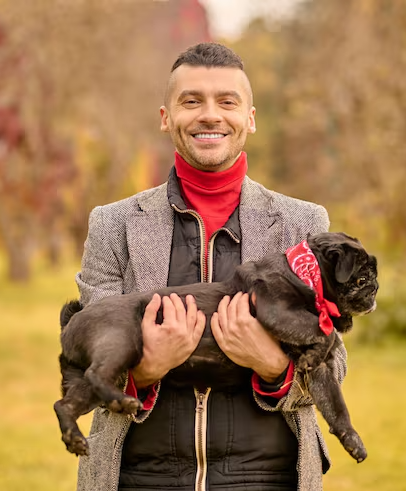

Running with your dog can be one of the most rewarding bonding activities you’ll ever share. I’ve been a dog owner for many years, and I’ve logged countless miles alongside my furry companions. Over time, I learned something important the hard way: dogs need warm-ups just as much as humans do.
Early on, I made the mistake of clipping on the leash and taking off right away. That led to stiffness, slower runs, and once even a minor limp. Since then, I’ve developed a simple warm-up routine that keeps my dogs healthy, energized, and excited to run.
In this guide, I’ll walk you through exactly how to warm up your dog for running, explain common mistakes, and share practical tips you can start using today.
- Why Dogs Need a Warm-Up Before Running
- Signs Your Dog Isn’t Properly Warmed Up
- How Long Should a Dog Warm Up?
- A Step-by-Step Dog Warm-Up Routine
- Gradually Increase Speed
- Special Considerations for Different Dogs
- Common Warm-Up Mistakes to Avoid
- When to Skip Running Altogether
- Bonus: Don’t Forget the Cool-Down
- Final Thoughts
Why Dogs Need a Warm-Up Before Running
Just because dogs love to run doesn’t mean their bodies are instantly ready for it.
A proper warm-up:
- Increases blood flow to muscles
- Loosens joints and tendons
- Reduces the risk of strains and injuries
- Improves stamina and performance
- Helps your dog mentally transition into “exercise mode”
Cold muscles are tight muscles. Starting a run too fast can lead to pulled muscles, joint stress, or long-term mobility issues especially in puppies, senior dogs, and active breeds like Labradors, Shepherds, or Huskies.
Think of warming up as preventive care. A few minutes now can save you expensive vet visits later.
Signs Your Dog Isn’t Properly Warmed Up
Over the years, I’ve learned to watch for subtle signals that my dog isn’t ready to run yet:
- Stiff walking or short strides
- Lagging behind or refusing to move forward
- Sudden stopping
- Limping or favoring one leg
- Excessive pulling followed by slowing down
If you notice any of these, slow things down immediately. Your dog is telling you something.
How Long Should a Dog Warm Up?
For most dogs, 5 to 10 minutes is enough.
However, adjust based on:
- Age: Seniors need longer warm-ups
- Breed: Large and athletic breeds benefit from extra prep
- Fitness level: New runners should start slow
- Weather: Cold temperatures require longer warm-ups
When in doubt, add another few minutes of gentle movement.
A Step-by-Step Dog Warm-Up Routine
Here’s the exact routine I use before every run.
Start With a Calm Walk
Begin with a relaxed leash walk for 3–5 minutes.
Let your dog sniff around and explore a bit. This natural behavior helps them mentally settle while their muscles start waking up. Keep the pace easy and comfortable.
This is not the time to rush.
Gradually Increase Speed
After your initial walk, transition into a light jog. Keep it slow for another couple of minutes.
Avoid jumping straight into your full running pace. Gradual acceleration gives your dog’s muscles time to adapt.
I usually jog at about half my normal speed during this phase.
Add Gentle Dynamic Movements
Dynamic movements are far safer than static stretching for dogs.
Some easy options:
- Walk in figure-8 patterns
- Make slow, wide turns
- Encourage gentle side-to-side movement
- Light play like slow fetch or tug
These movements activate different muscle groups and improve joint mobility.
Optional Mobility Exercises
If your dog is older or very athletic, these simple exercises can help:
- Sit-to-stand reps: Ask your dog to sit, then stand repeat 5–10 times
- Backing up slowly: Great for rear leg strength
- Walking over low obstacles: Encourages controlled movement
Keep everything slow and positive.
Special Considerations for Different Dogs
Cold Weather
Cold tightens muscles, so add extra walking time before jogging. Consider a dog jacket for short-haired breeds.
Hot Weather
Warm-ups should be shorter, but still necessary. Always provide water and avoid hot pavement.
Short-Nosed Breeds
Bulldogs, Pugs, and similar breeds overheat easily. Keep warm-ups gentle and runs short.
Senior Dogs or Dogs with Joint Issues
Extend warm-ups to 10–15 minutes and focus more on walking than jogging.
Common Warm-Up Mistakes to Avoid
I see these mistakes all the time:
Starting Too Fast
This is the biggest one. Sudden sprinting is a recipe for injury.
Skipping Warm-Ups Entirely
Even energetic dogs need preparation.
Forcing Static Stretching
Never pull on your dog’s legs or try human-style stretches on cold muscles.
Ignoring Body Language
Your dog communicates constantly. Learn to listen.
When to Skip Running Altogether
Some days, running just isn’t the right choice. Skip your run if your dog shows:
- Limping or soreness
- Extreme fatigue
- Signs of illness
- Overheating
- Discomfort in extreme temperatures
Rest days are part of responsible dog ownership.
Bonus: Don’t Forget the Cool-Down
After your run, walk slowly for 5 minutes. This helps prevent stiffness and allows heart rates to normalize.
Offer fresh water and, if your dog enjoys it, gentle massage on shoulders and hips.
Final Thoughts
Warming up your dog before running doesn’t take much time, but it makes a huge difference.
From one dog owner to another, I can tell you this: consistency is everything. A simple warm-up routine protects your dog’s joints, improves performance, and keeps your running partner happy for years to come.
Treat your dog like the athlete they are. Start slow, pay attention, and enjoy every mile together.
If you build this habit now, your future self and your dog will thank you.



















Leave a Reply