


Fish oil is a concentrated source of omega-3 fatty acids, mainly EPA and DHA. These healthy fats help calm inflammation in the body. Many dog owners use fish oil to support skin, joints, heart, and brain function, especially in senior pets.
This guide explains why fish oil helps, how much to give, how to choose a safe product, and when to call your veterinarian so you can use it with confidence.
Why Use Fish Oil for Dog Health
Key health benefits of fish oil for dogs
Most owners notice the first changes in their dog’s skin and coat. Omega-3s can reduce itching, dry flakes, and dull fur, so the coat looks shinier and feels softer.
Fish oil also supports joint comfort, which matters for dogs with arthritis or old injuries. Many pet parents see easier movement, less stiffness after rest, and more interest in walks.
Inside the body, omega-3s help the heart, brain, and immune system work more smoothly. They support heart rhythm, blood vessels, and brain function, which is useful for growing puppies and aging dogs. A detailed overview of these benefits is available in PetMD’s guide to fish oil for dogs.
When fish oil might help your dog the most
Fish oil often helps dogs with:
- Allergies or dry, flaky skin
- Arthritis, hip pain, or a history of joint issues
- Heart disease or early kidney changes
- Senior dogs that are slowing down or losing mental sharpness
Watch for constant scratching, licking paws, red skin, stiffness, or trouble getting up. Bring these signs to your vet and ask whether fish oil could be part of the plan.
How to Choose and Give Fish Oil to Your Dog
Picking a safe fish oil supplement
You’ll see several options, such as general fish oil, salmon oil, or krill oil. Any of these can work if they are clean and labeled clearly.
Look for a product that:
- Lists EPA and DHA amounts per serving
- Has some form of third-party testing or quality seal
- Is made for pets, or is a human product approved by your vet
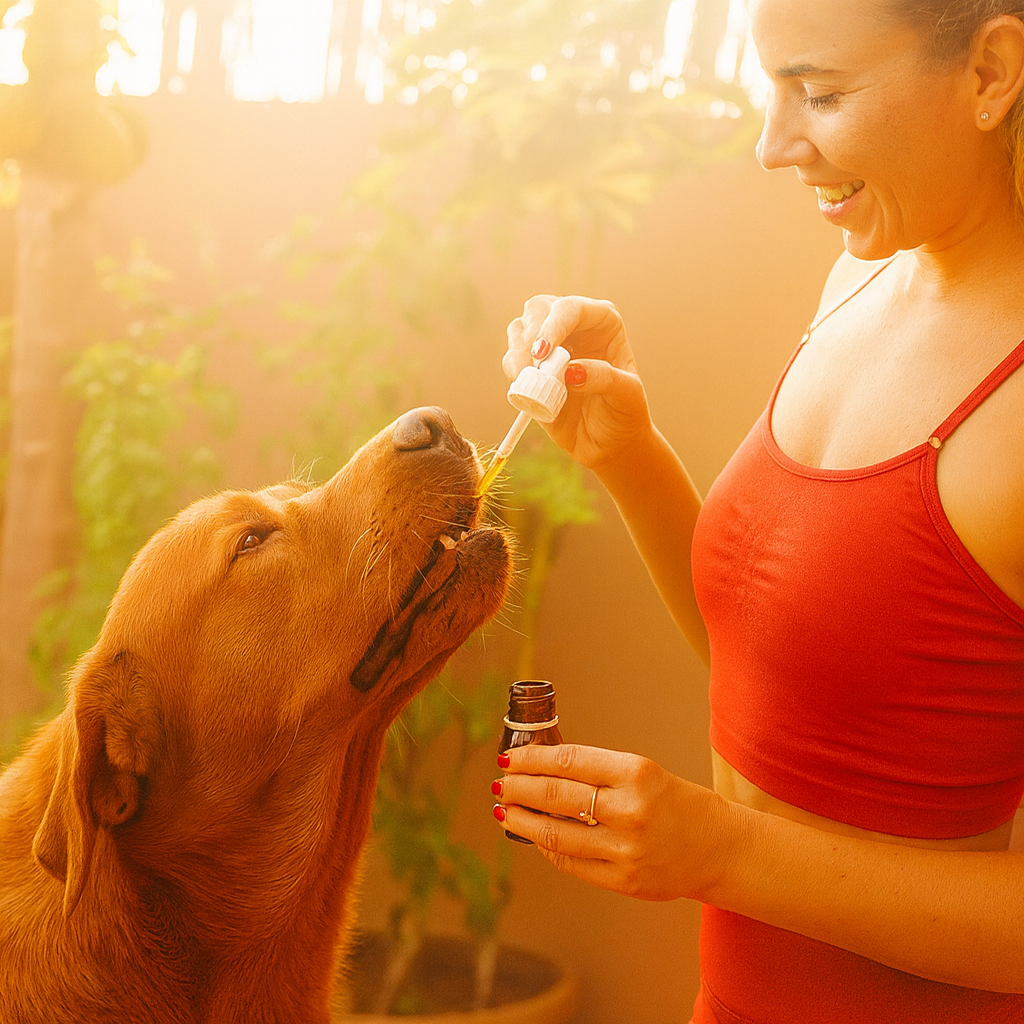
Keep the bottle in a cool, dark place, and close the cap tightly. If the oil smells very strong or sour, it may be old and you should replace it. For arthritic dogs, the nonprofit CARE explains omega-3 use in more detail at the Canine Arthritis Resources and Education site.
Simple dosage tips by dog size and how to give it
Most vets work with the total EPA plus DHA amount rather than the oil volume. A rough daily range many use is:
- Small dogs (up to 20 pounds): 100 to 300 mg
- Medium dogs (20 to 50 pounds): 300 to 800 mg
- Large dogs (50 to 90 pounds): 800 to 1,500 mg
- Giant dogs (over 90 pounds): 1,500 to 2,000 mg
These numbers are general, so always confirm your dog’s dose with your veterinarian. For more detailed dosing by weight and condition, you can review the Canine Fish Oil Dosing Chart from Colorado State University.
To give fish oil, try a pump or liquid over food, a capsule hidden in a treat, or a chew. Start with a low dose for 5 to 7 days, then slowly move toward the target to reduce the chance of stomach upset.
Side Effects, Safety, and When to Call Your Vet
Common side effects and simple fixes
The most common issues are loose stool, gas, or fishy breath. These usually improve with small changes.
You can cut the dose in half, split it between two meals, or switch to a different brand or form. Many dogs adjust after a week or so once their system gets used to the oil.

Dogs who need extra vet guidance
Some dogs need close vet input before starting fish oil. This includes dogs with:
- Pancreatitis or a history of it
- Bleeding problems or very low blood pressure
- Heart disease that is treated with blood thinners or heart medications
If you see sudden weakness, vomiting, bruising, or bleeding from the nose or gums, contact your vet at once. It’s always helpful to bring the fish oil bottle so your vet can check the exact product and dose. For additional safe and natural ways to support your dog’s health, you can also explore home remedies for dogs that address common health issues.
Conclusion
Used in the right way, fish oil can support your dog’s skin, joints, heart, and brain over the long term. Choose a quality supplement, start with a small amount, and watch for changes in comfort, movement, and coat shine. At your dog’s next checkup, ask your veterinarian if fish oil fits your dog’s health plan and what dose they recommend. Your care, plus smart use of omega-3s, can help your dog feel better at every age.














Leave a Reply