


Breeding sounds simple, two dogs, one litter, but timing can make or break the outcome. How old does a dog have to be to breed depends on whether your dog is female or male, how big the breed gets, and whether your dog is truly mature, not just fertile. Most dogs shouldn’t be bred until they’re fully grown and health-tested.
This is general guidance, not a green light for your specific dog. Your veterinarian (or a canine reproductive specialist) should confirm the safest timing.
The best age to breed a dog depends on size, sex, and maturity
Age alone doesn’t tell the full story. A dog can be able to reproduce before their body is ready to carry puppies or sire them well. Growth plates, hormone swings, and even behavior maturity matter, especially in bigger breeds that develop slowly. Health testing also takes time, many screening results are most useful once a dog has reached adult structure.
A good rule is to think in two steps: physical maturity first, then proof of health. Guidance from veterinarians, including clinics that outline dog breeding age guidelines, often lines up on one theme: wait until your dog is grown, stable, and cleared for breeding. That’s the safest way to answer “how old does a dog have to be to breed” for real life, not just on paper.
Female dog breeding age by size: small vs large vs giant
Female timing is mostly about a body that can handle pregnancy and birth.
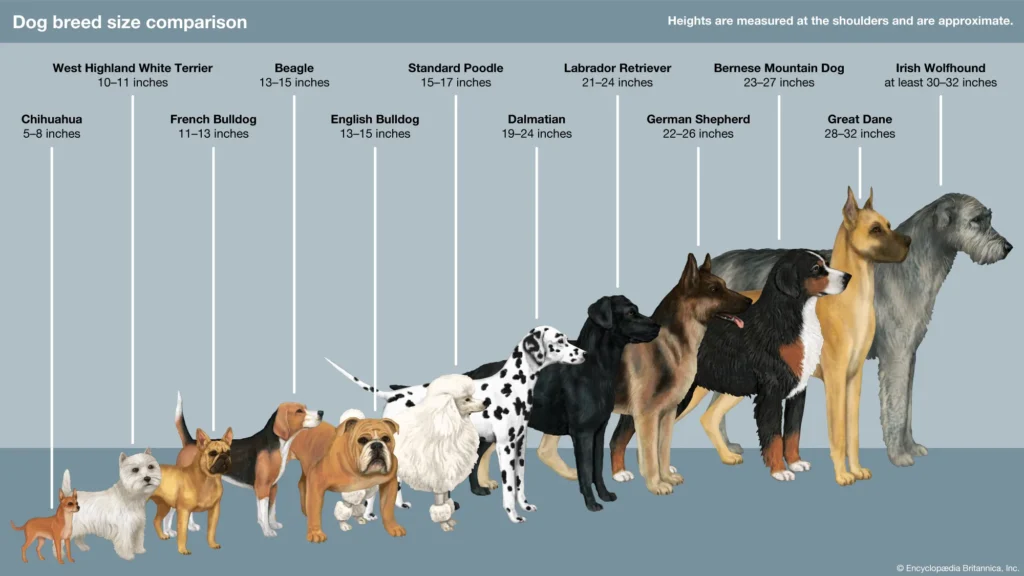
- Small breeds: often 12 to 18 months
- Medium breeds: often around 18 months
- Large and giant breeds: often around 2 years
Many vets suggest waiting until after the dog is fully grown, commonly after 1 to 2 heat cycles, since early cycles can be unpredictable and the dog may still be maturing.
Male dog breeding age: when a stud is old enough
Male dogs can produce sperm earlier, sometimes as young as 7 to 15 months, depending on size. But “can” doesn’t mean “should.” Too-young studs may have lower sperm quality and poor fertility, and they may lack the calm behavior needed for safe breeding. A practical standard is to wait until the dog acts like an adult and has passed health checks.
What can go wrong if you breed too young or too old
Breeding at the wrong age can turn an exciting plan into a stressful medical problem. For females, the biggest worries are difficult labor, emergency vet care, and pups that struggle early. For older females, risks tilt toward complications and harder recoveries. Males aren’t risk-free either, fertility and genetic screening still matter.
If you want a quick overview of how early fertility can show up, the AKC’s notes on sexual maturity in puppies help explain why accidents happen.
Risks of breeding too young
- Body not finished growing
- Higher chance of dystocia (hard labor) and emergency care
- More stress on the mother, weaker pups in some cases
- Males may have lower sperm quality and inconsistent fertility
Risks of breeding too old
- Higher odds of pregnancy and delivery complications
- Greater risk of C-section, uterine infection, slower recovery
- Male fertility can drop with age, even if libido stays high
Practical rules of thumb, registry limits, and your vet checklist
Think of registry limits as minimums for paperwork, not a sign your dog is ready. Real readiness is about maturity plus health testing and planning.
Common registry limits (example: AKC) and why vets often recommend waiting longer
The AKC allows registration for litters from dams at least 8 months and not older than 12 years, and sires at least 7 months and not older than 12 years. Those numbers are not a health stamp. The AKC’s guide to responsible dog breeding stresses planning, screening, and care beyond minimum ages.
Quick pre-breeding checklist before you try for a litter
- Vet exam and a clear breeding plan
- Breed-specific genetic testing
- Hips, elbows, heart, and eye screening as appropriate
- Healthy body condition and steady temperament
- Parasite prevention and up-to-date vaccines per your vet
- Budget and plan for pregnancy, emergencies, and puppy homes
Conclusion
For many dogs, the safest breeding window starts around 12 to 24 months, and it’s often later for large and giant breeds. Breeding too young can raise the odds of hard labor and weak puppies, and breeding too old can bring more complications and slower recovery. Talk with your vet or a reproductive specialist, prioritize health testing, and don’t breed unless you have strong, responsible homes lined up for every puppy.

















Leave a Reply