

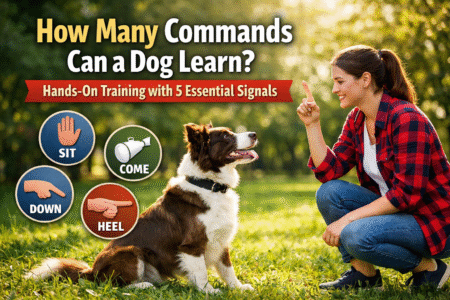
How many commands can a dog learn? this is the question which is every mind of a Dog Lover. If you just brought home a puppy, teaching basic commands helps keep life calm and safe. Use small treats to reward good behavior, and pair each spoken cue with a clear hand signal so your pup learns faster.
Pick a simple gesture that feels natural for you and use it every time you give the command. Consistent words and consistent movements make it easier for your puppy to understand what you want.
Sit
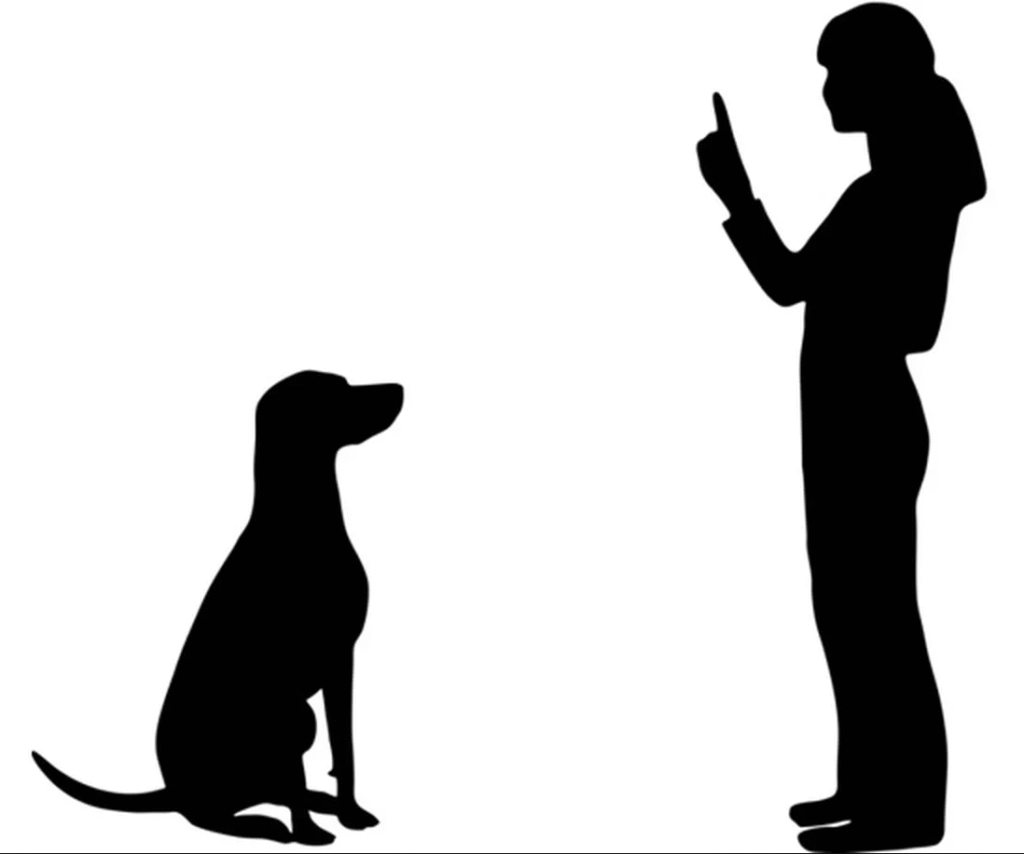
Use a clear hand signal: raise one finger from your side to point upward. Hold the finger steady as you say the word. Reward your dog the moment their rear touches the ground. Practice short, frequent sessions and keep rewards timely for faster learning.
Down
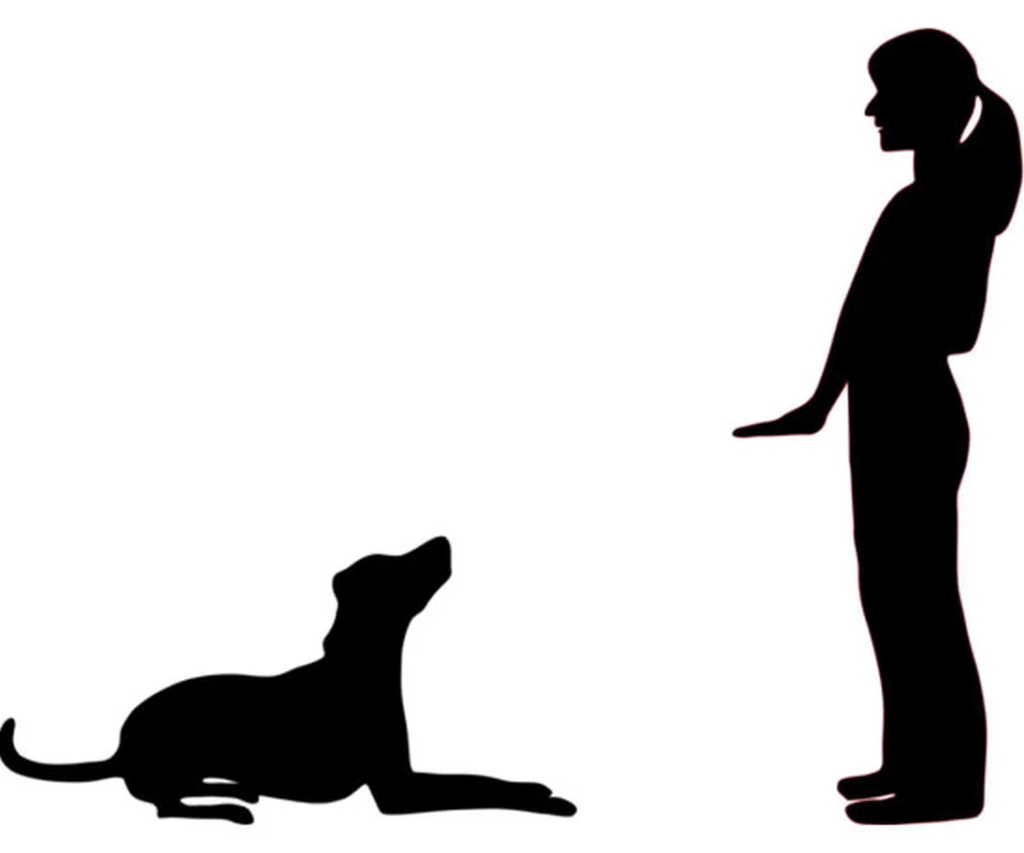
Use the word “down” to tell your dog to lie down and “off” to stop jumping. Show a flat palm facing the ground as the main signal. If your dog doesn’t respond, lower your hand toward the floor to guide them. Reward calm compliance with praise or a treat.
Come
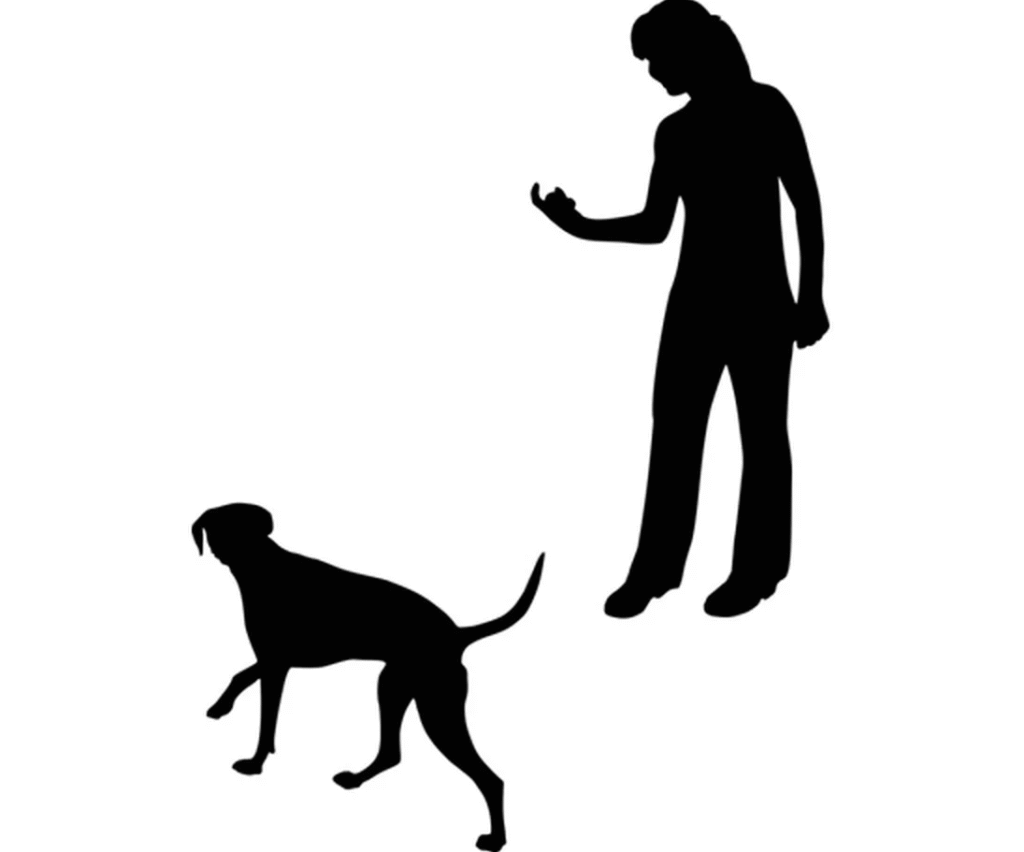
Use a single pointed finger to call your dog. Keep your arm relaxed and sweep the finger toward yourself in a slow, clear motion. Repeat a short verbal cue like “come” as you gesture. Reward your dog immediately when they reach you so they learn to connect the finger motion and word with returning to you.
Stay
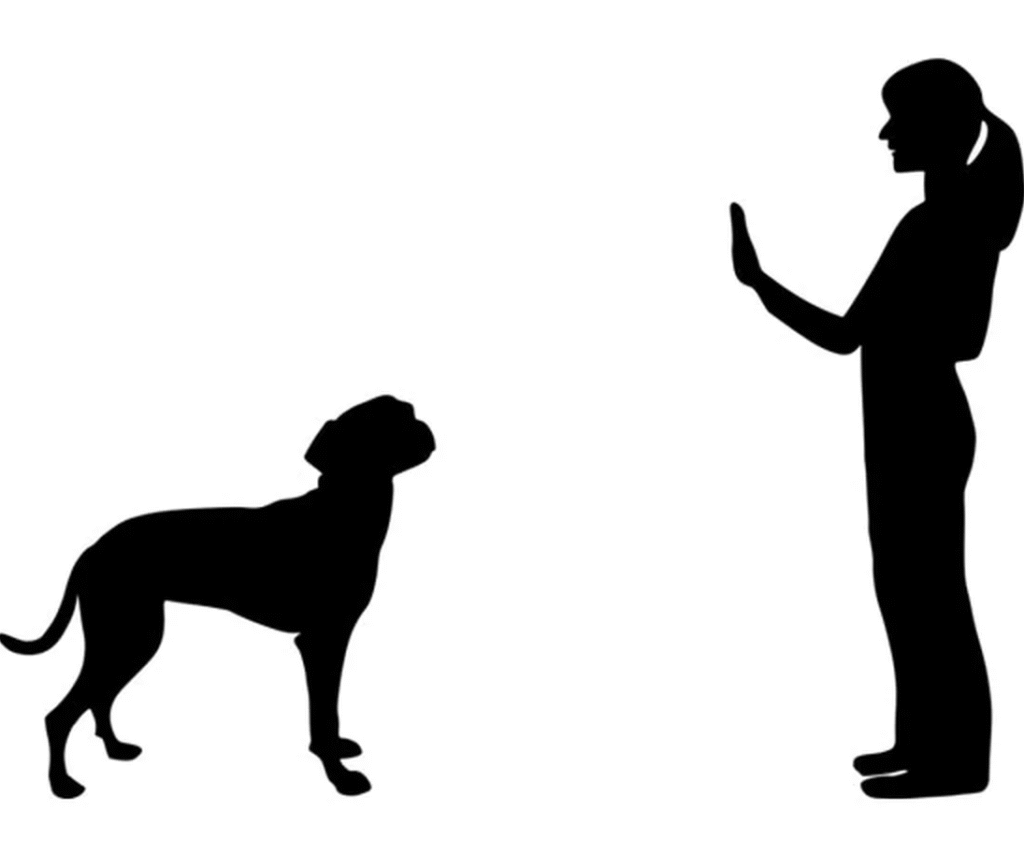
Use a flat hand held out, palm facing the dog, to signal stop. Practice by switching between this and a come cue so your dog learns to freeze and then move on command. Reward calm patience with treats or praise.
Bring It
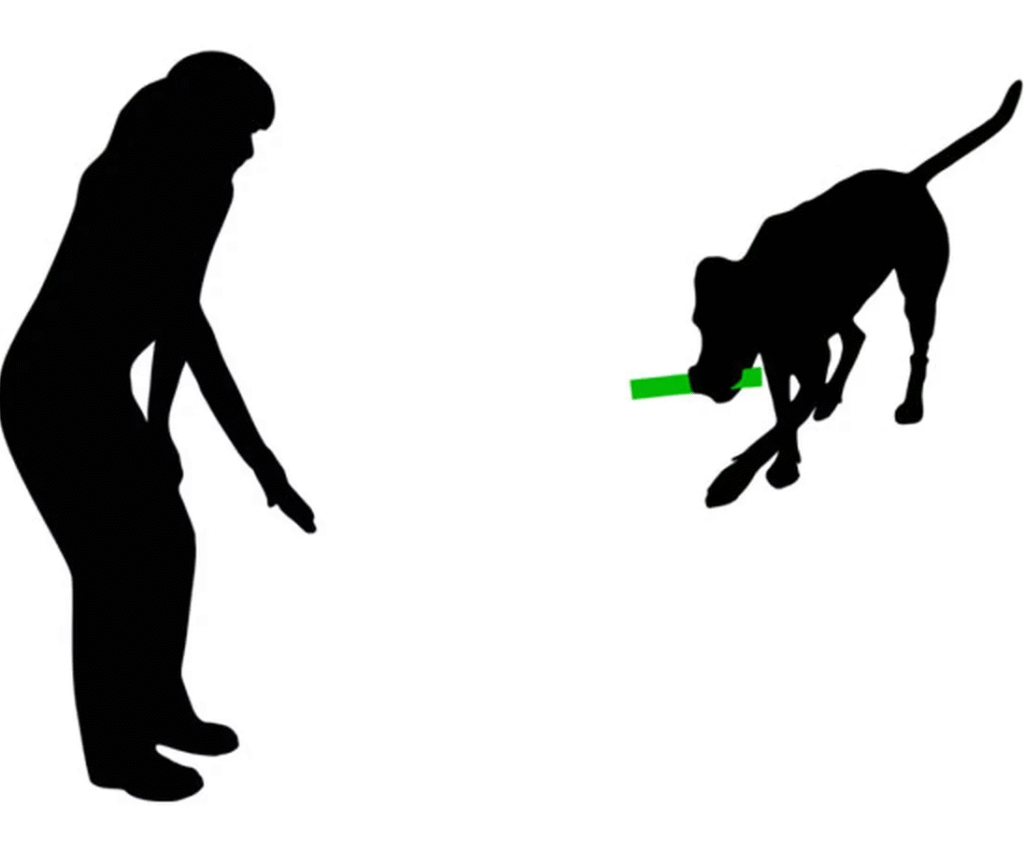
When you want your dog to return and release a toy, use a clear word and a flat hand held at the dog’s eye level, palm up. Offer the hand so your dog learns to drop items into it. Start by saying the command and showing the gesture together, then practice them separately until your dog responds to either cue. Reward your dog each time they bring the toy and let go in your hand. Keep sessions short and consistent, and phase out treats once your dog reliably returns and releases on command.
Frequently Asked Questions
How many commands can a dog learn on average?
Most dogs can learn dozens of commands with regular practice. A typical, well-trained pet often masters between 20 and 50 distinct cues, while some dogs reach 100+ with advanced training. Individual results depend on the dog’s breed, motivation, training style, and how consistently you work with them.
What are the best methods to teach your dog many commands?
- Keep sessions short (5–10 minutes) and frequent.
- Use positive reinforcement: treats, praise, or play immediately after correct responses.
- Teach one clear cue at a time, then add duration, distance, or distractions gradually.
- Practice in different places so your dog generalizes the command.
- Repeat commands in varied contexts and mix known commands with new ones to keep learning reliable.
- End sessions on a positive note to keep your dog eager for the next lesson.
When should a puppy start learning, and how many commands at once?
You can start basic training as early as 7–8 weeks for simple cues like name, sit, and come. Limit new commands to one or two at a time for puppies. Young dogs have short attention spans, so focus on very short, frequent sessions and build up slowly as they mature.
Do very smart breeds, like Border Collies, have a cap on commands they can learn?
Smart breeds can learn many more commands and complex tasks than average dogs, but they still have practical limits based on time, training quality, and relevance. You can teach them dozens or even hundreds of cues, especially if you train for specific jobs or tricks. Keep training meaningful to avoid boredom.
How long should you expect it to take for a dog to learn a new command?
Simple commands (sit, down) often take a few sessions to a few weeks to become reliable. More complex cues (distance recall, off-leash reliability) can take months of varied practice. Consistency, daily practice, and gradually adding distractions shorten the learning time.
What basic commands should every dog know?
Essential commands to prioritize:
- Sit
- Stay
- Come (recall)
- Down
- Leave it / Drop it
- Heel / Walk politely on leash
- Place or settle
- Wait (at doors or before eating)
Teach these first, then add useful cues like off, paw, go to bed, and release words.



















Leave a Reply