

Dogs can face minor health problems at any time, and pet owners may not always have immediate access to veterinary care. Some situations call for quick action, while others can be addressed with simple at-home care while waiting for professional guidance. Understanding which problems can be safely treated at home and which require urgent veterinary attention helps pet owners make better decisions for their dogs.
Certain mild conditions respond well to basic remedies that use common household items or over-the-counter products. These treatments can provide comfort and relief for dogs experiencing digestive issues, minor skin irritation, or other common ailments. However, pet owners must recognize the difference between problems they can manage temporarily at home and serious conditions that need immediate professional care.
Key Takeaways
- Some minor dog health issues can be safely managed at home with approved remedies before seeing a vet
- Serious conditions like bloating, difficulty breathing, or bloody discharge always require immediate veterinary care
- Pet owners should consult their veterinarian before trying home treatments to ensure safety and proper care
8 Conditions That May Benefit From Home Remedies for Dogs
1. Upset Stomach With Soft Stool
Dogs sometimes develop loose bowel movements that don’t require immediate medical attention. When a pet shows soft stool but continues eating normally and behaves like usual, owners can try simple dietary changes at home.
A temporary bland meal plan gives the digestive tract time to recover from irritation. This approach works best for mild cases without other symptoms.
The typical bland meal consists of plain cooked chicken, turkey, or beef mixed with rice. The proper ratio is two parts rice to one part protein. Boiling the meat is important because roasting or frying adds fat that can trigger pancreas inflammation.
Duration limits:
- Adult dogs: Up to one week
- Puppies: Two to three days only
Adding fiber through canned pumpkin or digestive supplements can help firm up loose stool. Probiotic products support gut health during recovery.
Contact a veterinarian if the problem persists beyond the recommended time frame. Some situations require professional evaluation right away. Dogs showing blood in their waste, refusing food, or throwing up need prompt medical attention to rule out serious health problems.
2. Inflamed Skin Patches
Sudden skin inflammation creates localized red patches that cause discomfort. These areas develop quickly and lead to constant scratching or licking that worsens the condition.
Breeds with dense fur, like Golden Retrievers and German Shepherds, face a higher risk. The primary goal is stopping the dog from irritating the affected area.
Treatment approach:
- Use protective cones to prevent access
- Trim the surrounding fur with electric clippers for air exposure
- Apply medicated wipes or foam products
- Never use scissors near the skin
Some dogs experience too much pain to tolerate fur trimming at home. Wounds that don’t show improvement within one to two days require antibiotics and anti-inflammatory medication from a veterinarian.
Never cover these lesions with bandages. Wrapping traps moisture and bacteria against the skin, which delays healing and creates additional problems.
3. Dry and Irritated Skin
Many dogs develop dry skin that causes itching and discomfort. Over-the-counter bathing products can address mild to moderate symptoms.
Oatmeal-based formulas without added fragrances work best for sensitive skin. These products soothe irritation and restore moisture.
Dogs with more intense skin problems may need antiseptic products. Veterinarians often recommend shampoos or mousses containing chlorhexidine for these cases. This ingredient reduces bacteria on the skin surface.
4. Seasonal Sensitivities
Dogs experience allergic reactions to environmental triggers just like humans do. Common signs include sneezing, clear discharge from the eyes, and scratching.
Antihistamine medications can help manage these symptoms. Diphenhydramine and cetirizine are safe options when they don’t contain decongestants. However, dosing must come from a veterinarian because pet doses differ from human doses.
When to seek care immediately:
- Yellow or green discharge from eyes or nose
- Squinting or eye discomfort
- Changes in eating habits
- Unusual behavior or low energy
Over-the-counter allergy medication won’t resolve these more serious symptoms. Professional diagnosis ensures proper treatment.
5. Excessive Paw Chewing
Most dogs lick their paws occasionally as part of normal grooming. Excessive licking that causes redness, hair discoloration, or raw skin requires attention.
This behavior typically results from allergies or irritants that contact the feet during walks or outdoor activities.
Home management steps:
- Soak paws in Epsom salt water for 5 to 10 minutes daily
- Use medicated wipes designed for pet paws
- Apply protective cones if inflammation is severe
Salt soaks rinse away allergens and environmental contaminants while calming irritated skin. The healing process accelerates when feet stay clean and protected.
Dogs with intense inflammation may need several days of cone wear to prevent continued licking while the skin repairs itself.
6. Waxy Ear Buildup
Some ear debris is normal, but excess waxy buildup can cause mild discomfort. When this occurs without severe itching or constant head shaking, gentle cleaning at home may help.
Use only products specifically made for cleaning pet ear canals. Household items like vinegar, hydrogen peroxide, alcohol, and coconut oil cause inflammation and should never enter the ears.
Proper cleaning method:
- Pour ear wash directly into the canal or apply with a soaked cotton ball
- Gently massage the outside of the ear
- Wipe away excess with a cotton ball wrapped around your finger
- Cotton swabs should never go inside ears due to injury risk
Stop cleaning 48 hours before any scheduled veterinary visit. Recent cleaning can interfere with accurate diagnosis of ear problems.
7. Flea Infestations
Modern flea prevention products work effectively and safely. Home treatments are rarely necessary with these options available.
Very young or small puppies sometimes fall below the age or weight requirements for standard flea medications. Dawn dish soap baths can kill adult fleas on contact in these situations. However, soap alone won’t eliminate the infestation.
Flea products exist for puppies as young as six weeks and as small as two pounds. Working with a veterinarian ensures the right product choice for each pet’s specific needs.
8. Excessive Gas Production
Flatulence in dogs often relates to eating habits and food choices rather than digestive diseases. Dogs that eat quickly swallow large amounts of air with their meals. This air travels through the digestive system and exits as gas.
Short-nosed breeds naturally swallow more air because of their facial structure. These dogs and fast eaters benefit from specific feeding strategies.
Management strategies:
| Approach | Benefit |
|---|---|
| Small frequent meals | Reduces air swallowing |
| Slow-feeding bowls | Forces slower eating pace |
| High-quality diet | Improves digestion |
| Low-residue foods | Creates less gas during digestion |
Food quality plays a major role in gas production. Premium diets formulated for easy digestion help many dogs.
Probiotic supplements support healthy gut bacteria. These products may reduce gas in dogs with simple dietary causes.
If feeding changes and new eating patterns don’t improve flatulence, consult a veterinarian. Persistent gas sometimes indicates underlying digestive issues that need professional evaluation.
13 Dog Health Issues That You Should Never Try Home Remedies For
1. Foul Mouth Odour
When regular brushing and dental care fail to eliminate unpleasant breath, professional veterinary intervention becomes necessary. A dog with persistent bad breath likely needs a dental procedure performed under anesthesia to properly diagnose and address periodontal disease.
At-home care cannot reach the level of cleaning and treatment that a veterinary dental procedure provides. The underlying causes of chronic bad breath often include advanced gum disease or tooth decay that requires professional equipment and expertise to treat effectively.
2. Dark or Blood-Tinged Stool
Small traces of fresh blood in feces may indicate inflammation. However, a veterinarian needs to conduct blood tests to rule out clotting disorders or severe gastrointestinal conditions that could require hospitalization.
What appears to be a minor issue could signal a serious internal problem. Professional testing provides the only reliable way to determine whether the blood indicates a manageable condition or a medical emergency.
3. Rectal Bleeding
A veterinarian can properly identify the source of bleeding in the rectal region. Infected anal glands commonly cause bleeding in this area and require antibiotic treatment prescribed by a vet.
In uncommon situations, surgical issues such as tumors or injuries may be responsible. Only professional examination can distinguish between these possibilities and provide appropriate treatment.
4. Swollen Abdomen
A bloated stomach can twist and create a life-threatening emergency called GDV. Veterinary X-rays determine how severe the bloating is and whether medical care or surgery is needed.
This condition progresses rapidly and can be fatal without immediate professional intervention. Attempting home treatment delays necessary care and puts the dog’s life at risk.
5. Bloody Urine or Bladder Problems
Blood in urine has multiple potential causes beyond infection. A urinalysis performed by a veterinarian determines whether antibiotics are the right treatment.
X-rays may also be required to check for bladder stones, which produce symptoms similar to infections but need different treatment approaches. Professional diagnostics prevent misidentification of the underlying problem.
6. Persistent Coughing or Breathing Difficulties
A cough lasting more than seven days or interfering with sleep and eating requires X-rays to identify the cause. Pneumonia and heart failure both produce similar-sounding coughs but need completely different treatments.
Without proper diagnostic imaging, it becomes impossible to distinguish between respiratory conditions. Treating the wrong condition or delaying proper treatment can lead to serious complications.
7. Skin Inflammation, Mite Infestations, or Fungal Issues
Dermatitis involves inflammation that causes far more discomfort than simple dry skin. Veterinary testing identifies whether bacterial or yeast infections are present and guides appropriate treatment.
This same testing rules out mites or mange, which may require both topical and oral medications. Ringworm presents similar symptoms but needs a different test and treatment protocol than what works for humans.
8. Ear Mite Problems
Mites rarely affect dogs, and topical flea treatments can often address them when they do occur. Most dogs suspected of having ear mites actually have yeast or bacterial ear infections.
A veterinarian examines the ear canals to ensure they are healthy and prescribes the correct antibiotics. Misidentifying the problem leads to ineffective treatment and prolonged discomfort.
9. Eye Issues Including Discharge, Redness, or Cloudiness
Eye discharge might result from allergies. However, it could also indicate ulcers, glaucoma, or internal eye inflammation called uveitis.
These conditions can cause permanent vision loss if not diagnosed and treated promptly. Professional examination protects the dog’s eyesight and prevents irreversible damage.
10. Unexplained Fur Loss
Hair loss without itching may relate to thyroid or adrenal gland problems requiring evaluation. Conditions such as hypothyroidism, Cushing’s disease, or hormonal imbalances in unaltered dogs can all cause non-itchy fur loss.
These conditions need medical treatment that addresses the underlying hormonal issue. Without proper diagnosis through veterinary testing, the real cause remains unknown and untreated.
11. Appetite Loss, Vomiting, or Digestive Distress
Mild stomach upset may respond to dietary changes. However, vomiting or refusing food can cause dehydration and may signal serious problems.
Veterinary bloodwork and X-rays ensure the dog doesn’t have an intestinal blockage or other critical condition. Delaying professional care when these symptoms appear increases the risk of complications.
12. Discomfort or Limping
Over-the-counter joint supplements like glucosamine support joint health. However, actual pain, particularly arthritis pain or discomfort causing limping, typically requires anti-inflammatory medication.
Some conditions need surgery to restore the dog’s comfort and mobility. Owners should never give human medications or over-the-counter drugs without veterinary approval, as these can be dangerous or fatal to dogs.
13. Intestinal Parasites
Many over-the-counter deworming products exist. However, knowing which specific parasite needs treatment through veterinary fecal testing ensures the right schedule is followed to eliminate it.
Some dewormers don’t treat all worms, while others only kill parasites at certain life stages. Veterinary guidance leads to faster resolution and complete elimination of the parasites. When worms appear in stool along with diarrhea, vomiting, or behavioral changes, veterinary care becomes urgent.
Common Questions About Natural Dog Care
What Home Solutions Help Dogs With Digestive Issues?
Plain canned pumpkin is one of the most effective remedies for upset stomach in dogs. A few tablespoons added to regular food can ease both diarrhea and constipation due to its high fiber content.
Boiled chicken and white rice create a bland diet that settles the stomach. This mixture should be prepared without seasonings or oils and fed in small portions throughout the day.
Fresh ginger in small amounts can reduce nausea. Pet owners should offer only a tiny piece or mix a pinch of ground ginger into food. Probiotics designed for dogs also support digestive health by restoring beneficial gut bacteria.
How Can Household Items Reduce Scratching and Skin Problems?
Oatmeal baths provide relief for itchy, irritated skin. Ground plain oatmeal mixed into lukewarm bathwater soothes inflammation when the dog soaks for 10-15 minutes.
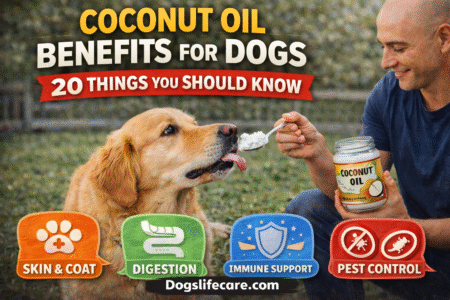
Coconut oil applied directly to dry patches moisturizes the skin and reduces itching. A small amount rubbed into affected areas once or twice daily can improve skin condition. The oil is safe if the dog licks it.
Apple cider vinegar diluted with equal parts water works as a spray for itchy spots. This solution should never be applied to open wounds or raw skin. Aloe vera gel from the plant’s inner leaf can also calm irritated areas.
What Natural Options Treat Small Injuries on Dogs?
Honey has natural antibacterial properties that protect minor cuts and scrapes. A thin layer of raw honey applied to clean wounds creates a barrier against infection and promotes healing. Salt water rinse cleanses minor wounds effectively; mix one teaspoon of salt in two cups of warm water and gently flush the area to remove debris and reduce bacteria without harsh chemicals. Coconut oil’s antimicrobial properties also make it useful for small abrasions. After cleaning the wound, a light application prevents infection. For additional tips on keeping your dog calm and safe at night, especially if they show signs of discomfort or restlessness, you can check out these vet-approved calming tips. Pet owners should monitor all wounds and seek veterinary care if they worsen or fail to heal within a few days.
Which Kitchen Staples Enhance a Dog’s Fur Condition?
Omega-3 rich foods improve coat shine and reduce shedding:
- Sardines packed in water
- Salmon (cooked, no bones)
- Flaxseed oil (small amounts mixed in food)
Eggs provide protein and biotin essential for healthy fur. One cooked egg per week for medium-sized dogs adds nutrients that strengthen hair follicles and increase shine.
Coconut oil fed in small doses (one teaspoon per 10 pounds of body weight daily) promotes a glossy coat from the inside. Start with smaller amounts to avoid digestive upset. Sweet potato contains vitamins that support skin and coat health when served cooked and plain.
Can Home Methods Address Dog Ear Problems?
Gentle cleaning prevents many ear issues. A solution of equal parts apple cider vinegar and water removes debris and restores pH balance. Apply with a cotton ball to the outer ear only, never deep in the canal.
Coconut oil melted and cooled to room temperature can soothe minor irritation. A few drops massaged into the ear flap may reduce inflammation. Green tea cooled completely works as a rinse for mild infections due to its natural antiseptic qualities.
Warning signs requiring veterinary care:
- Foul odor from the ear
- Thick discharge or pus
- Severe redness or swelling
- Head shaking or pain when touched
- Balance problems
What At-Home Practices Support Clean Dog Teeth?
Raw carrots serve as natural toothbrushes. The crunchy texture scrapes away plaque as dogs chew. This snack also freshens breath and provides vitamins.
Coconut oil applied to teeth and gums fights bacteria that cause dental disease. Pet owners can use a finger brush or soft cloth to massage a small amount onto the dog’s teeth several times weekly.
Parsley added fresh to food combats bad breath naturally. Only curly-leaf parsley should be used, as spring parsley can be toxic to dogs. A probiotic powder designed for pets supports oral health by balancing bacteria in the mouth.
Dental chews made from natural ingredients help reduce tartar buildup. Regular brushing with dog-safe toothpaste remains the most effective home dental care method.
https://paintersmarkham1.blogspot.com/2025/12/what-homeowners-should-know-about.html
https://docs.google.com/forms/d/e/1FAIpQLSchXcDTzllv8BPtyUXhGRADxwb7nTi2Jz41BFiH-4R8MJHsFA/viewform












Leave a Reply