


You want any dog to stop barking and listen to you. I’ll show clear, proven steps that work for most dogs by fixing the cause, teaching calm behavior, and practicing reliable cues. You can get your dog to stop barking on command and remain calm with short, consistent training and simple environment changes.
I’ll walk you through why dogs bark, how to judge your dog’s triggers, basic training principles, and specific techniques for common situations like doorbell barking or leash reactivity. My plan focuses on easy actions you can start today so you see real improvement without relying on quick fixes or harsh methods.
- Understanding Why Dogs Bark
- Natural Canine Communication
- Common Triggers for Barking
- Breed-Specific Barking Tendencies
- Assessing Your Dog’s Barking Behavior
- Identifying Patterns
- Distinguishing Between Normal and Excessive Barking
- Evaluating Environmental Influences
- Fundamental Training Principles
- Consistency and Patience
- Establishing Clear Commands
- Effective Bark Control Techniques
- Positive Reinforcement Strategies
- Redirection Methods
- Teaching Your Dog to Listen
- Building Focus and Engagement
- Using the ‘Quiet’ Command
- Reducing Barking in Specific Situations
- Managing Barking at the Door
- Handling Barking at Strangers
- Creating a Supportive Environment
- Providing Mental Stimulation
- Physical Exercise Solutions
- When to Seek Professional Help
- Signs of Underlying Behavioral Issues
- Working with Certified Dog Trainers
- Frequently Asked Questions
- What can I do to silence my dog when it barks incessantly at night?
- What home remedies are effective for quickly calming a barking dog?
- How can I prevent my dog from barking at every passerby?
- Are there ways to reduce incessant barking in dogs without causing them harm?
- How can I train my dog to listen and stop barking on command?
- What proven methods exist to quiet a dog barking inside the house?
Understanding Why Dogs Bark

I explain the main reasons dogs make noise and how those reasons shape what they need. Knowing the difference between an alarm, a demand, or a bored dog helps you pick the right fix.
Natural Canine Communication
Barking is one of the primary ways dogs talk to people and other dogs. I watch bark tone, pitch, and length to tell if a dog is warning, asking, or playing. Short, sharp barks often signal alertness. Repeated, high-pitched barks usually mean excitement or a request for attention.
Dogs also use body language with barking. A stiff stance, raised hackles, or direct stare with loud barks often means a protective or defensive message. Wagging tail and loose body with playful barks show a different need. I focus on the full picture — sound plus posture — to understand intent.
Puppies learn barking patterns from littermates and owners. If I respond every time a dog barks, the dog learns barking gets results. Changing my responses helps stop unwanted vocal behavior.
Common Triggers for Barking
Many dogs bark to get something: attention, food, play, or to stop a perceived threat. I list and address triggers one by one to reduce barking. Common triggers include strangers at the door, other dogs on walks, sudden noises, or being left alone.
Separation anxiety creates steady, distressed barking that starts soon after I leave. Territorial barking spikes when people or animals pass the yard. Attention-seeking barking drops quickly when I withhold attention until the dog is quiet. I recommend replacing rewards with calm, predictable routines and giving exercise to lower excess energy.
Training also matters. Dogs that never learned quiet commands will keep barking because they don’t know when to stop. Teaching a clear cue and rewarding silence gives them a concrete rule to follow.
Breed-Specific Barking Tendencies
Some breeds are more vocal by design. Terriers often bark to hunt or alert. Herders use barking to move livestock and may try to control people or other animals with vocalizations.
Hounds may bay or howl more than other dogs, especially when tracking scents. Toy breeds often bark more in urban settings because they were bred as alert companions and stay close to owners.
I adjust training to breed traits. For a herding dog, I add mental tasks like puzzle toys and structured routines. For terriers, I channel prey drive into supervised scent games. For vocal toy dogs, I reinforce boundaries around windows and doorways. Matching solutions to breed tendencies speeds progress and lowers frustration.
Assessing Your Dog’s Barking Behavior
I look for when, why, and how often my dog barks. That helps me choose the right training steps and reduce barking without causing stress.
Identifying Patterns
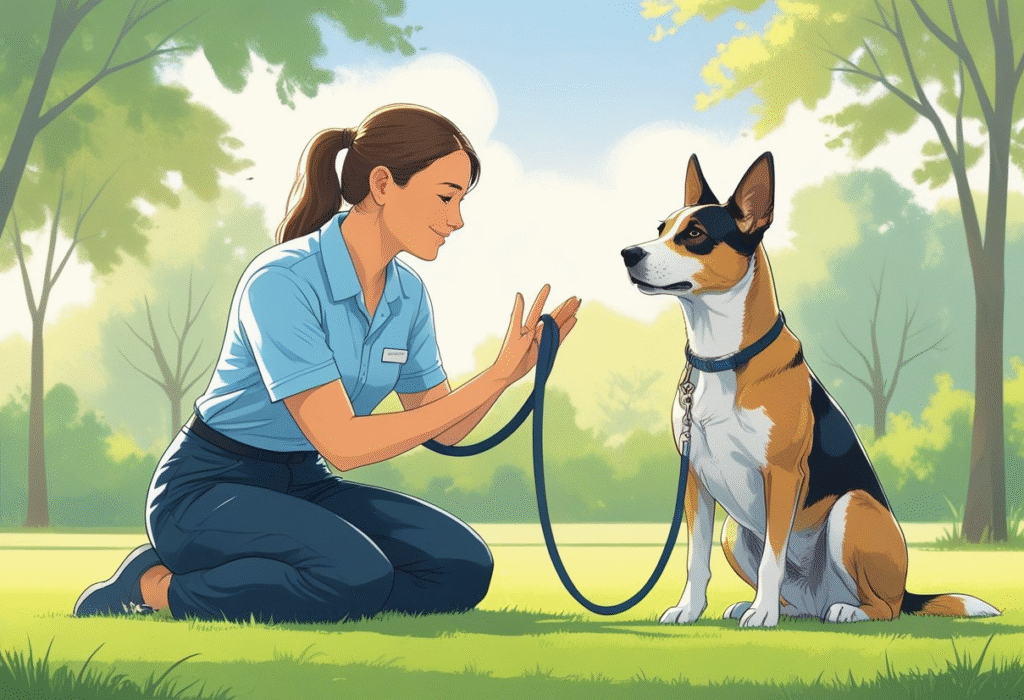
I track the times my dog barks for at least a week. I note the time of day, duration, trigger (doorbell, passerby, other dogs), and what I was doing. A simple table or checklist works well:
- Time of day
- Trigger or event
- Bark length and intensity
- My response
- Dog’s body language
Patterns tell me if barking is situational (only at strangers) or constant (throughout the day). If barking spikes at specific times, I can change routines, add enrichment, or practice desensitization. If it happens during separation, I log how long before it starts and whether it stops on its own.
Distinguishing Between Normal and Excessive Barking
I decide if barking is normal by its purpose and impact. Normal barking warns, seeks attention, or expresses excitement and stops once the trigger ends. Excessive barking continues after the trigger is gone, happens many times a day, or creates neighbor complaints.
I use frequency and context to judge severity. A dog that barks five short times when someone passes is different from one that barks for 10 minutes at every passerby. If barking harms relationships or the dog’s welfare, I treat it as excessive and plan behavior changes or consult a trainer.
Evaluating Environmental Influences
I inspect the dog’s environment for noise, sight lines, and routine gaps that cause barking. Common triggers include windows facing the street, nearby dogs, delivery noise, and unpredictable household schedules.
I change simple things first: close curtains, use white noise, restrict access to trigger spots, and add a predictable schedule with walks and play. If the yard is empty and the dog barks at every sound, I add toys and short training sessions to redirect energy. Environmental fixes often reduce barking quickly when paired with consistent training.
Fundamental Training Principles
I focus on predictable routines, simple cues, and steady rewards so your dog learns what you expect. I use short practice sessions and clear feedback to reshape barking into quiet behavior.
Consistency and Patience
I train at the same times each day and use the same cues so the dog links one signal to one response. I avoid changing words or hand signals between family members.
I keep sessions short—5 to 10 minutes—several times a day. That prevents fatigue and keeps the dog focused. I use the same reward system: treats for success, calm praise for quiet, and neutral withdrawal of attention for unwanted barking.
I track progress with notes. I write when barking happens, what triggered it, and which technique reduced it. That helps me repeat what works and stop what doesn’t. I remain patient; behavior change can take days to weeks.
Establishing Clear Commands
I pick two commands: one to stop barking (for example, “Quiet”) and one to ask for a calmer alternative (for example, “Speak” or “Sit”). I use the commands only for those specific actions.
I teach “Quiet” by waiting for a brief pause in barking, then immediately rewarding the dog. I gradually extend the pause required before the reward. I praise calmly and give a treat in the dog’s line of sight to link silence with reward.
I practice commands in different places: front door, yard, car, and near other dogs. I add mild distractions slowly. I ensure every family member uses the same wording, tone, and reward method so the dog learns quickly and reliably.
Effective Bark Control Techniques
I focus on clear, repeatable steps you can use at home to cut down on barking and get better attention from your dog. These methods train the dog to choose quiet behavior and give you ways to interrupt barking without yelling.
Positive Reinforcement Strategies
I reward quiet behavior to make silence more valuable than barking. Start by timing treats the moment the dog stops barking for even one second. Use a clicker or a short marker word like “yes” then give a small high-value treat. Repeat this in short sessions (5–10 minutes) several times a day.
I also teach a “quiet” cue. Let the dog bark once, say “quiet,” wait for the pause, then mark and treat. Gradually increase the pause required before the reward. Use praise and longer play as you phase out treats.
I keep training predictable. Use the same cue, same reward location, and short sessions. Track progress with a simple checklist: session date, number of successful quiet cues, and treat size. This helps me stay consistent and see real gains.
Redirection Methods
I change the dog’s focus when barking starts. For alert or attention barking, I offer a task, like “sit” or “touch,” and reward the correct response. This gives the dog something clear to do instead of barking.
For boredom or excess energy, I swap barking for exercise or mental work. I use puzzle feeders, short fetch sessions, or 10-minute obedience drills before times the dog usually barks. This reduces the drive to vocalize.
For fear or reactivity, I use desensitization plus a calm replacement behavior. I lower the trigger intensity, reward calm responses, then slowly raise it. If needed, I manage the environment with barriers or distance while training continues.
Teaching Your Dog to Listen
I focus on clear, repeatable steps that build attention and give a reliable way to stop barking. The two main ideas below show how to get your dog to look at me, respond when I ask, and stay quiet on cue.
Building Focus and Engagement
I start short, frequent sessions—3 to 5 minutes, three times a day. I use high-value rewards (small soft treats, a favorite toy, or praise) to make listening worth my dog’s attention. I stand at eye level and say the dog’s name, then reward immediately when they look at me. This teaches “look” equals good things.
I add distractions slowly. First I practice in a quiet room, then near a closed door, then with someone at the door. I increase difficulty only when my dog succeeds three times in a row. I vary rewards so my dog stays interested. I end each session while my dog is still engaged, not tired or frustrated.
Using the ‘Quiet’ Command
I teach “quiet” after I can get a reliable “look.” When my dog barks, I wait for a brief pause, then say “quiet” in a calm, firm voice and reward the silence immediately. Timing matters: reward within one second of the pause so the dog links the word to being quiet.
If barking is continuous, I use a release: tell the dog “speak” first so they bark on cue, then say “quiet” and reward the stop. I practice this on-leash and off-leash. For problem barking (door, window), I train at the trigger at low intensity and raise it only when my dog succeeds. I fade treats by switching to praise and toys so “quiet” works without food.
Reducing Barking in Specific Situations
I focus on clear steps you can use right away: manage triggers, teach a quiet cue, and reward calm behavior. Small changes to timing and routine often stop barking faster than punishment.
Managing Barking at the Door
I train door manners by making arrivals predictable and calm. First, I put my dog on a leash or behind a baby gate before knocking or opening the door. That prevents lunging and lets me control timing.
I teach a “sit” or “place” cue away from the door. When someone rings, I ask for the cue, reward calm with high-value treats, then open the door only if my dog stays calm. If barking starts, I close the door and wait a few seconds before trying again.
I use short, frequent practice sessions with a helper who rings the bell. Gradually I increase realism: knock louder, have different people, then add strangers. Consistency matters more than strict duration—do three to five two-minute drills daily until the dog stays quiet.
Handling Barking at Strangers
I reduce stranger-barking by changing how my dog experiences people. I work on distance first: if my dog barks at a passerby, I move farther away until they stop reacting. Then I reward calm behavior with treats and praise.
I pair strangers with positive things. For example, when a person approaches, I give my dog a treat just before they pass. Over time the dog learns people predict good rewards, not threats. I also teach a reliable recall and a “look” cue so I can redirect attention away from the stranger.
If fear drives the barking, I proceed slowly and choose calm, confident helpers. I never force close encounters. Instead, I build trust through graded exposure and steady rewards until my dog greets or ignores strangers calmly.
Creating a Supportive Environment
I focus on changing the dog’s surroundings and routine so barking becomes less useful. Small, consistent adjustments to daily life and the home cut triggers and give the dog better outlets for energy and attention.
Providing Mental Stimulation
I use puzzle toys, scent games, and short training sessions to tire a dog’s brain. Give a food puzzle or stuffed Kong for 10–20 minutes when you leave to reduce separation-driven barking. Rotate toys so novelty lasts longer.
I train simple cues like “find it” (hide kibble) and 5-minute obedience drills (sit, down, recall) twice daily. These teach focus and reward quiet behavior. I also schedule one or two 10–15 minute sniff walks per day; sniffing is mentally taxing and calming.
If your dog is highly driven, add task work such as basic agility, nose work, or trick training. Start small and increase difficulty gradually. Track what works in a notebook so you repeat successful activities.
Physical Exercise Solutions
I match exercise to the dog’s age, breed, and health. For most adult medium breeds, that means 30–60 minutes of active walking or play daily. High-energy breeds need more: aim for 60–120 minutes split across sessions.
I use varied activities: brisk walks, interval runs, fetch, treadmill sessions, or a fenced off-leash run. Rotate activities across the week to prevent boredom and overuse injuries. For dogs with joint issues, I choose swimming or controlled leash walks.
I include short, intense play bursts (5–10 minutes of fetch or tug) before times when barking usually starts, like crate time or owner departures. That lowers arousal and makes them more likely to rest quietly.
When to Seek Professional Help
I explain when barking points to a deeper problem and how a trainer can help fix it. Read the signs below and the practical steps for working with a certified trainer.
Signs of Underlying Behavioral Issues
If your dog barks nonstop despite consistent training, I treat that as a red flag. Barking that comes with lunging, snarling, or biting shows aggressive behavior and needs immediate help.
Barking tied to trembling, pacing, destructive chewing, or house-soiling often means anxiety or fear. I watch for patterns — like only barking when you leave or when strangers appear — because predictable triggers guide treatment.
If your dog ignores basic commands, or training efforts make no progress after weeks, I consider that a sign to consult a professional. Sudden changes in barking after an illness or injury can also mean pain-related distress, so I recommend a vet check before behavior work.
Working with Certified Dog Trainers
I look for trainers who use positive, reward-based methods and have certifications from reputable groups (like CCPDT or IAABC). Ask about their experience with your dog’s breed and the exact techniques they will use.
Expect an initial assessment that covers triggers, frequency, and your daily routine. I want a clear plan with short-term goals (reduce barking at the door) and longer goals (calm behavior during visitors). Good trainers teach you skills to manage the home environment and coach you on timing and rewards.
If progress stalls, I suggest a behaviorist for complex cases or a vet for medical causes. I always get a written plan, session notes, and follow-up steps so I can keep training consistent between sessions.
Frequently Asked Questions
I give clear, practical steps you can use tonight and over the next few weeks to cut down barking. I focus on cause, timing, rewards, and safe tools so you get results without hurting your dog.
What can I do to silence my dog when it barks incessantly at night?
First, check for basic needs: food, water, bathroom breaks, and pain signs. I make sure the dog has had exercise and a calm routine before bedtime.
I reduce triggers: close curtains, move the bed away from windows, and use white noise or a fan to mask outside sounds. If separation anxiety causes night barking, I use short, calm departures and gradual alone-time training.
If barking continues and I suspect medical or severe anxiety issues, I contact a vet or certified trainer for a tailored plan.
What home remedies are effective for quickly calming a barking dog?
I use short, consistent cues like “quiet” with a treat when the dog stops barking for a breath or two. Timing matters: I reward silence immediately.
I try calming aids such as a snug wrap, a low-volume white noise machine, or pheromone diffusers. These can lower arousal but work best combined with training.
I avoid yelling or punishment because that often raises stress and makes barking worse.
How can I prevent my dog from barking at every passerby?
I remove visual triggers by closing blinds or using frosted window film. When outside, I keep distance from sidewalks and use routes with fewer people.
I teach an alternative behavior like “watch me” or “sit” and reward calm attention. I practice short sessions, increasing difficulty gradually as the dog succeeds.
I also give more daily mental and physical exercise so the dog has less excess energy to bark.
Are there ways to reduce incessant barking in dogs without causing them harm?
Yes. I use positive reinforcement, environmental management, and consistent routines. These methods change behavior without pain.
I avoid shock collars and harsh corrections. If stronger intervention seems needed, I consult a professional who uses humane, science-based methods.
How can I train my dog to listen and stop barking on command?
I teach a clear cue like “quiet” by capturing moments of silence, rewarding immediately, and slowly increasing the required silence time. Short, frequent sessions work best.
I pair the cue with a command for an alternative behavior (sit, down, or touch). That gives the dog something useful to do instead of barking.
I practice in low-distraction settings first, then add real-life triggers once the dog reliably responds.
What proven methods exist to quiet a dog barking inside the house?
I use a mix of prevention and training: remove triggers, increase exercise, and establish a calm routine. I crate or confine the dog safely when needed to manage triggers.
I train impulse control with games like “wait” and reward quiet behavior consistently. For persistent problems, I work with a trainer or vet to rule out medical causes and design a step-by-step plan.


















Leave a Reply