


You shape your dog’s quality of life every day, from puppyhood through the senior years. Dogs need consistent care that supports their physical health, emotional stability, and changing needs over time, not just occasional vet visits or good intentions.
Dogs life care means providing balanced nutrition, regular veterinary care, daily mental and physical activity, and age‑appropriate support from early life through end‑of‑life care. When you understand how these elements work together, you can make informed decisions that protect comfort, health, and longevity.
This article breaks down what truly matters in day‑to‑day care, how routines influence long‑term wellbeing, and how to prepare for common questions as your dog ages. You gain clear guidance that helps you act with confidence at every stage of your dog’s life.
Essential Components of a Dog’s Life Care
Dogs stay healthy and stable when you manage nutrition, activity, medical care, and emotional needs with consistency. Each area supports the others and affects your dog’s behavior, energy level, and long-term health.
Nutrition and Diet Planning
You shape your dog’s health every day through food choices. Select a diet that matches your dog’s age, size, activity level, and medical needs. Puppies need higher protein and calories, while seniors benefit from controlled calories and joint-supporting nutrients.
Focus on ingredient quality and clear labeling. Avoid foods with vague meat sources or excessive fillers.
Core nutrition priorities:
| Factor | What to Do |
|---|---|
| Protein | Choose named animal proteins as the first ingredient |
| Portions | Measure meals to prevent weight gain |
| Hydration | Provide fresh water at all times |
| Treats | Limit to under 10% of daily calories |
Consult your veterinarian before changing diets or adding supplements.
Exercise and Physical Activity
Daily movement keeps your dog fit and reduces behavior problems. Match activity to your dog’s breed, age, and physical condition rather than following a fixed routine.
Most adult dogs need 30–120 minutes of activity per day. High-energy breeds require more structured exercise, while smaller or senior dogs benefit from shorter, frequent sessions.
Effective activity options include:
- Brisk walks with leash training
- Free play in secure areas
- Low-impact games like fetch or scent work
Watch for signs of fatigue such as heavy panting or lagging. Adjust intensity to protect joints and prevent injury.
Preventive Veterinary Care
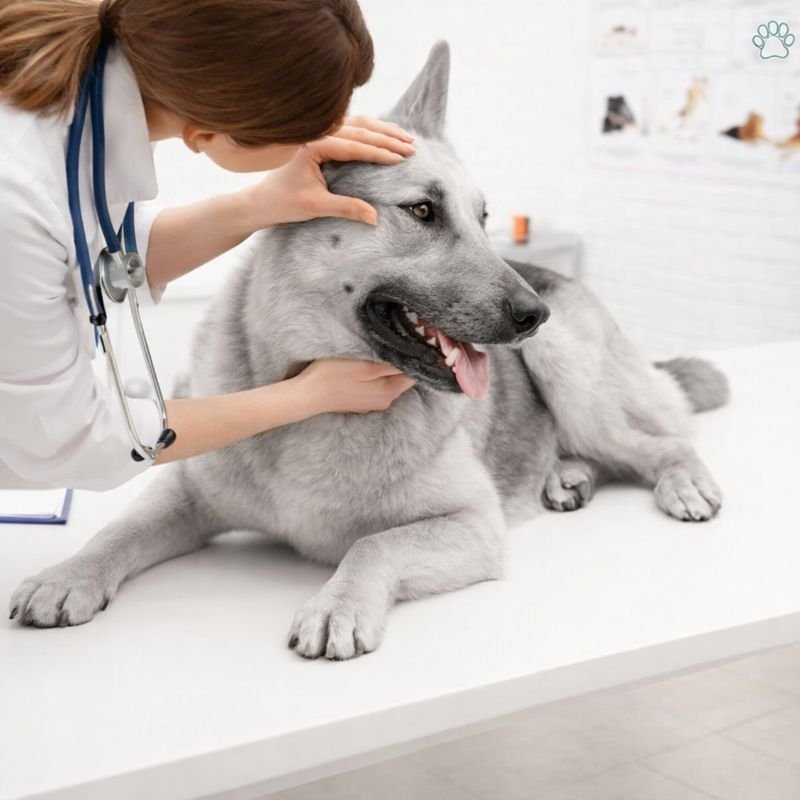
Routine veterinary care helps you catch health issues early. Schedule wellness exams at least once a year, or twice yearly for senior dogs.
Preventive care includes:
- Core vaccinations based on risk
- Parasite control for fleas, ticks, and heartworm
- Dental checks and cleanings
- Weight and body condition monitoring
Track appointments and treatments in a simple record. Early detection lowers long-term costs and reduces discomfort for your dog. Do not delay visits when you notice appetite changes, limping, or behavior shifts.
Mental and Emotional Wellbeing
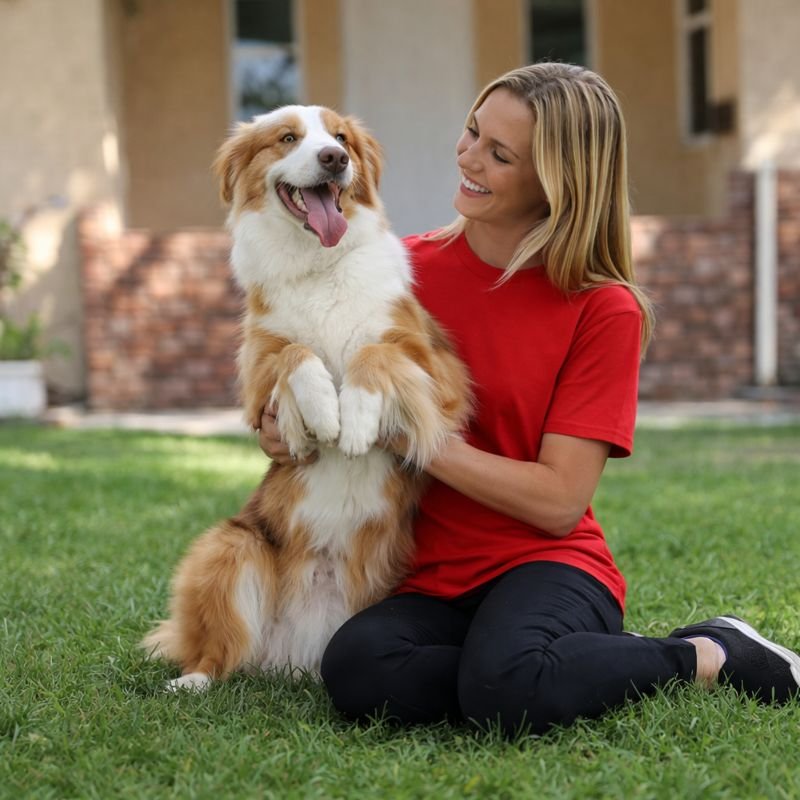
Your dog needs mental engagement and emotional security to stay balanced. Boredom often leads to destructive behavior or anxiety, especially in intelligent or high-energy dogs. This is commonly seen in certain mixed breeds, including some hybrid dog breeds with curly hair, which tend to be both active and emotionally sensitive, requiring consistent stimulation and companionship.
Provide structure through predictable routines. Combine training, play, and rest into each day.
Support mental health with:
- Short daily training sessions
- Puzzle toys or food-dispensing games
- Calm social exposure to people and dogs
- A quiet space for rest and recovery
Respond consistently to behavior and avoid harsh corrections. Clear communication builds trust and supports long-term emotional stability.
Daily Routines and Long-Term Wellbeing
Consistent daily actions shape your dog’s health, behavior, and comfort over time. Practical routines in care, learning, and environment reduce stress, prevent avoidable issues, and support steady confidence.
Grooming and Hygiene Practices
You protect your dog’s skin, coat, and comfort through regular grooming. Brushing removes debris, spreads natural oils, and helps you spot changes like lumps or irritation early. Bathing on an appropriate schedule keeps skin balanced without stripping oils.
Basic hygiene tasks matter every day. Clean ears as needed, trim nails before they affect gait, and check teeth to reduce plaque buildup. Short sessions work best and keep handling calm.
Core grooming tasks by frequency
| Task | Typical frequency | Why it matters |
|---|---|---|
| Brushing | Daily–weekly | Reduces mats and shedding |
| Nail trimming | Every 2–4 weeks | Prevents pain and posture issues |
| Ear checks | Weekly | Lowers infection risk |
| Teeth cleaning | Several times weekly | Supports oral health |
Training and Socialization
You build long-term stability by practicing short, consistent training sessions. Clear cues, rewards, and predictable timing improve learning and reduce confusion. Focus on behaviors that affect daily life, such as loose-leash walking, recall, and calm greetings.
Socialization stays important beyond puppyhood. Controlled exposure to people, dogs, sounds, and places maintains adaptability and lowers anxiety. Choose quality interactions over quantity to avoid overwhelm.

Effective daily training habits
- Keep sessions under 10 minutes.
- Practice in low-distraction settings first.
- Reward calm choices, not just commands.
- End on success to reinforce confidence.
These habits support mental engagement and reduce behavior problems that often stem from boredom or uncertainty.
Safe Environment and Comfort
You support wellbeing by maintaining a predictable, safe living space. Secure fencing, hazard-free floors, and locked storage for food and chemicals prevent common injuries. Regular checks help you catch wear, loose items, or escape risks.
Comfort depends on rest and routine. Provide a quiet sleeping area, consistent feeding times, and access to fresh water. Adjust temperature and bedding for your dog’s age, coat, and health needs.
Daily comfort essentials
- A clean, padded resting area
- Stable light and noise levels
- Reliable access to outdoor breaks
- Safe toys matched to chewing style
These details reduce stress and help your dog settle, rest, and recover each day.
Frequently Asked Questions
Dog life care changes with age, experience level, and household needs. These questions address daily care, health planning, family involvement, and realistic costs so you can make informed decisions.
What are the different stages in a dog’s life and what care is required at each stage?
Dogs move through puppy, young adult, adult, senior, and elderly stages. Each stage requires adjustments in nutrition, activity, training focus, and medical care.
Puppies need frequent meals, vaccinations, socialization, and basic training. Young adults benefit from consistent exercise, skill reinforcement, and preventive veterinary visits.
Senior and elderly dogs often require lower-impact activity, age-appropriate diets, dental care, and closer monitoring for pain or mobility changes.
What are some essential tips for first-time dog owners?
You should establish a daily routine for feeding, exercise, and bathroom breaks from the first week. Consistency helps your dog adjust faster and reduces behavior problems.
Schedule a veterinary visit early to set up vaccinations, parasite prevention, and microchipping. Use positive reinforcement during training to build trust and clear communication.
At what ages do dogs transition through their life stages?
Most dogs enter the puppy stage from birth to about one year. Small breeds may mature faster, while large breeds often stay in this stage longer.
Young adulthood typically spans from one to three years. Dogs usually reach the senior stage between seven and ten years, depending on breed and size.
What are some key health care tips to maintain a dog’s well-being?
You should provide routine veterinary checkups, including annual exams and recommended blood work. Preventive care reduces the risk of serious illness.
Maintain dental health with regular brushing and professional cleanings when advised. Use year-round flea, tick, and heartworm prevention to protect against common parasites.
How can children be involved in taking care of a dog responsibly?
You can assign age-appropriate tasks such as filling water bowls or helping with gentle grooming. Supervise all interactions to ensure safety for both the child and the dog.
Teach children to respect a dog’s space, especially during meals and rest. Clear rules help prevent stress-related behaviors.
What can be expected in terms of expenses for in-home dog sitting services?
In-home dog sitting costs vary based on location, visit frequency, and length of care. Short daily visits usually cost less than overnight stays.
Additional fees may apply for medication administration or special needs care. You should confirm services and pricing in advance to avoid unexpected charges.












Leave a Reply