

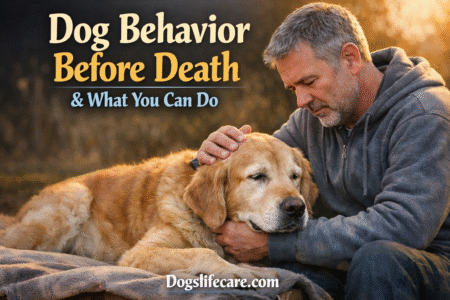
Owning a dog is a rewarding experience, but it also comes with the difficult reality that our canine companions are unlikely to outlive us. Understanding dog’s behavior before death and what to expect can help dog owners ease this challenging transition. This article explores the signs and behavior that indicate a dog is dying, discusses the ethics of allowing a dog die naturally versus euthanasia, and provides guidance on what to do after a dog’s death. It also addresses common concerns, such as whether dogs can sense their own death and if they prefer to die alone. By understanding these aspects, dog owners can provide the best possible end-of-life care and ease the transition for their beloved pets.
5 Signs a Dog Is Dying
There are several signs and behavior often associated with a dying dog. However, it’s important to remember that many of these symptoms can also indicate other, less severe health issues. If you observe any changes in your dog’s behavior or health, consult your veterinarian (DVM) to determine the cause and ensure your dog remains comfortable. Your vet can assess the severity of the situation and provide appropriate medical care or pain control if needed.
1. Lethargy
While lethargy can stem from various reasons, especially in elderly dogs who naturally slow down with aging, it’s a common symptom in dying dogs. If your dog suddenly becomes more lethargic than usual or loses interest in previously enjoyed activities, a visit to the vet is crucial. The veterinarian can assess whether the lethargy is due to a treatable condition or a sign of something more serious.
2. Loss of Appetite
Elderly dogs often eat less because they require fewer calories due to their reduced activity levels. However, a sudden loss of appetite should raise concern. A dog that abruptly stops eating may be experiencing pain or discomfort, which can be associated with other symptoms of a dying dog. If your dog is gradually losing appetite, it could be due to aging, potentially affecting their sense of smell and making their kibble less appealing. Try offering wet food, adding gravy to their meals, or even preparing homemade meals to entice them to eat.
3. Changes in Breathing
Changes in breathing, such as taking more shallow breaths or experiencing labored breathing, can occur as a dog approaches the end of life. This could stem from the underlying cause of death or be a symptom of another issue. Any new changes in breathing warrant immediate evaluation by your dog’s veterinarian. They might be able to provide medical care to alleviate labored breathing and improve your pet’s comfort. Agonal breathing patterns may also become evident.
4. Incontinence
Many dogs nearing the end of life experience a decline in muscle mass and muscle control, affecting their ability to control their bladder and bowel movements. This incontinence can be distressing for both the dog and the owner. Discussing incontinence with your veterinarian is essential. If there’s no treatable medical care cause, you can help your dog by providing a clean and comfortable space, using absorbent bedding, and cleaning up accidents promptly and gently. Remember that incontinence is not intentional but rather a consequence of physical decline or, in some cases, severe cognitive decline.
5. Loss of Interest
A common sign observed in dying dogs is a loss of interest in activities they once enjoyed. This may result from pain, discomfort, dog becoming withdrawn, or canine cognitive dysfunction, preventing them from engaging with their surroundings. If your dog consistently shows a loss of interest, it’s crucial to consult your veterinarian. This Dog Behavior might indicate it’s time to consider euthanasia to prevent further suffering.
My Dog Is Dying – How Long Does It Take?
The timeframe for a dog is dying varies significantly. Some sick dogs deteriorate rapidly within hours, while others may take days or even weeks. There’s no fixed timeframe for a dog to pass away naturally. The duration depends largely on the underlying cause. For example, dogs with a tumor on their spleen may experience a sudden death due to internal bleeding if the tumor ruptures. Conversely, dogs with slow-progressing illness may not have a specific event leading to death, making it harder to predict the timeline.
Is It Inhumane to Let a Dog Die Naturally?
Whether it’s inhumane to let a dog die naturally depends on the circumstances. Allowing a dog to pass naturally isn’t inherently inhumane, but allowing them to suffer needlessly is. Euthanasia, meaning “good death,” is often chosen to prevent animal suffering. Natural deaths can be uncomfortable for both the dog and the owner. However, in some cases, with proper pain control and Palliative Care, you can make your dog comfortable at home and prepare for a natural death. The decision to euthanize or wait for natural death should be made in consultation with your dog’s veterinarian. If the dog’s condition can be managed with medications and they are likely to pass quickly and without suffering, your vet may provide medications to keep them comfortable until then. If your dog is likely to experience a painful or frightening death, euthanasia is often the most compassionate option, although it’s a difficult decision. Also, consider your dog’s behavior. If they are struggling with canine cognitive dysfunction or are constantly anxious and uncomfortable, even if physically healthy enough to survive, euthanasia may be the kindest choice when they no longer have more good days than bad.
Should You Euthanize a Dog at Home with Benadryl?
No, you should never attempt to euthanize your dog on your own. Euthanasia is a medical care procedure that should be performed by a veterinarian (DVM). It is illegal in many countries to euthanize your own animal. Furthermore, using over-the-counter medications like Benadryl is not a safe or effective method of euthanasia. Overdosing your pet with medications can lead to organ failure, severe anemia, or other health problems that cause suffering without resulting in death. Accurately dosing medications for a quick and painless death is nearly impossible, and the risk of causing your pet unnecessary suffering is too high. If you wish to euthanize your pet at home, contact an in-home veterinary team that can perform the procedure humanely and professionally.
Can Dogs Sense Their Own Death?
While we can’t definitively know what dogs experience, it appears that some dogs may “know” when they are nearing death. Whether they truly comprehend death is unknown, but they often exhibit behaviors indicative of a dying dog. As a dog nears death, they often become more withdrawn and less interested in previously enjoyed activities. They may sleep more and spend more time alone. Some dogs may also become more anxious or frantic. The dog’s behavior at the end of life can vary greatly. Many owners who have previously chosen euthanasia for a dog report that their dog seemed to communicate that it was time, whether through changes in dog’s behavior, symptoms, or a silent understanding. Paying attention to these Clinical Signs of Dying can help you prepare for your dog’s passing.
Do Dogs Prefer to Die Alone?
The belief that dogs prefer to die alone often arises from the observation that many dying dogs tend to isolate themselves. However, most veterinarians (DVM) who have performed euthanasia with and without owners present report that dogs seek comfort from their owners and are reassured by their presence. Dogs often isolate themselves due to decreased energy and a reduced desire to participate in activities, seeking quiet spaces for rest. While some dogs may pass away in their sleep while secluded, it doesn’t necessarily mean they prefer to be alone. They often appreciate the comfort of their owners during their final moments. If you cannot be present for your pet’s euthanasia, you can trust that the vet clinic staff will do their best to ensure your dog is comfortable.
What to Do with Your Dog’s Body After Death
After your dog’s death, you have several options for handling their body. The choice is entirely personal. One option is burial. However, some cities have regulations against burying pets within city limits, so check local laws first. If burying your dog on your property isn’t feasible, pet cemeteries offer burial services, ensuring your dog remains in a dedicated place, even if you move. Another option is cremation, typically arranged through your veterinary clinic. You can choose to receive your dog’s ashes back or have the crematorium scatter them. If you receive the ashes, they will be returned in an urn or a basic container. You can keep the ashes or scatter them in meaningful locations. Some companies create jewelry or artwork incorporating the ashes, allowing you to keep your dog close.
What Happens When Your Dog Dies at the Vet
Whether your dog passes away naturally or through euthanasia at the vet clinic, you retain the same options for body care. You can bring your pet home for burial or leave them at the vet clinic for cremation. In many cases, the veterinary clinic will create a memorial of your pet, such as a clay paw print or ink stamp. If you desire this memorial, inquire with the clinic in advance about their procedures. If you choose cremation, the veterinary clinic will typically handle the arrangements with the crematorium. Your dog’s ashes will usually be returned to the veterinary clinic, and you will be notified when they are ready for collection. Veterinarians frequently assist dying dogs and are happy to answer questions about the euthanasia process to make it more comfortable for you.
Disclaimer: This blog post does not substitute veterinary attention and does not intend to do so. I am not a veterinarian or pet nutritionist. If your dog shows any sign of illness, call your vet.
















Leave a Reply