

Many dog owners swear their pet “just knew” something was wrong before a diagnosis. A clingy pup, a dog that sniffs one spot over and over, or a sudden change in behavior can feel spooky.
Those stories raise a big question: can dogs smell illness in a real, scientific way, or is it just wishful thinking? Research now shows that a dog’s nose can pick up tiny changes in body chemistry long before people notice anything is off.
Key Takeaways
Dogs can detect illness through scent changes in the body, picking up tiny shifts in chemicals (VOCs) released through breath, sweat, skin, and urine.
Their noses work like highly sensitive chemical scanners, allowing them to notice scent patterns humans cannot perceive.
Dogs aren’t born knowing disease scents — they learn them through structured training using samples from sick and healthy people.
Illness alters how the body functions, creating new scent “signatures” that trained dogs can identify long before medical tests show anything unusual.
Scientific studies confirm that trained dogs can detect illnesses such as Parkinson’s disease, certain cancers, diabetes-related blood sugar shifts, and even infections like COVID-19 with notable accuracy.
Detection is most reliable in controlled settings, where dogs sniff prepared samples rather than trying to identify diseases in chaotic real-life environments.
Dogs can act as early warning partners, not replacements for medical care. Stress, medication, diet, and other factors can also change a person’s scent and confuse a dog.
A sudden change in your dog’s behavior doesn’t automatically mean illness, but it’s worth paying attention to both your dog’s health and your own if unusual behavior continues.
Medical detection dogs are valuable helpers, offering insight that complements—not replaces—modern diagnostic tools.
How Dogs Use Their Super Sense of Smell to Spot Illness
A dog’s nose works like a super-sensitive chemical scanner. When people get sick, the body releases different volatile organic compounds (VOCs) in breath, sweat, urine, and on the skin.
You can think of a “healthy” person’s scent as a simple tune and a “sick” scent as the same tune played with extra notes and wrong chords. Humans miss those small changes. Dogs, with up to hundreds of millions of scent receptors, can tell the difference.
They are not born knowing what “cancer” or “Parkinson’s” smells like. Trainers have to teach them that a certain pattern of VOCs means “this sample is from a sick person.” Research on the science of disease smelling dogs shows that their noses can pick up many disease-related odors once trained.
What Changes in the Body When Someone Is Sick
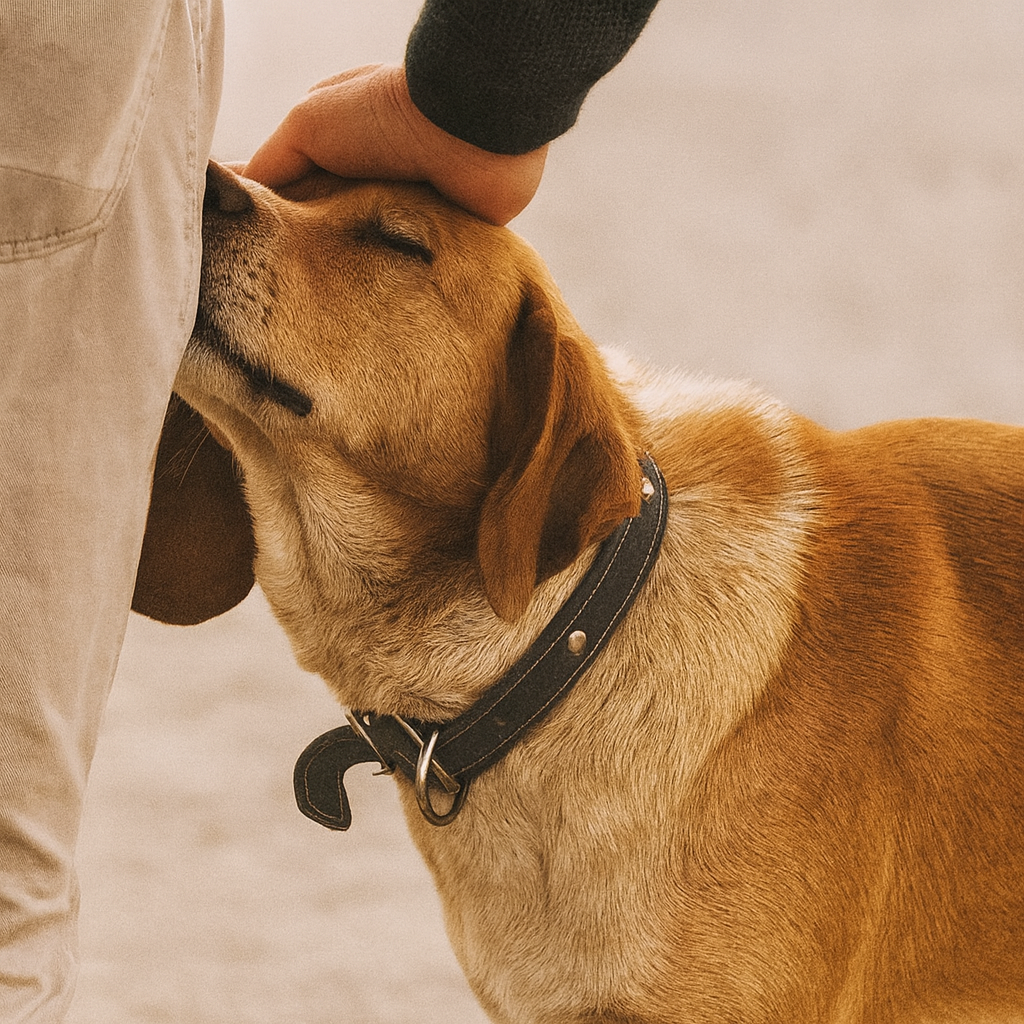
Illness changes how the body burns energy and repairs cells. That shift creates new chemicals or alters normal ones.
An infection, for example, can change the smell of sweat and breath because the immune system is working hard. Some cancers change the mix of compounds in urine or exhaled air. Dogs read these scent “signatures” even when doctors still see normal scan or blood test results.
How Trainers Teach Dogs to Detect Disease Scents
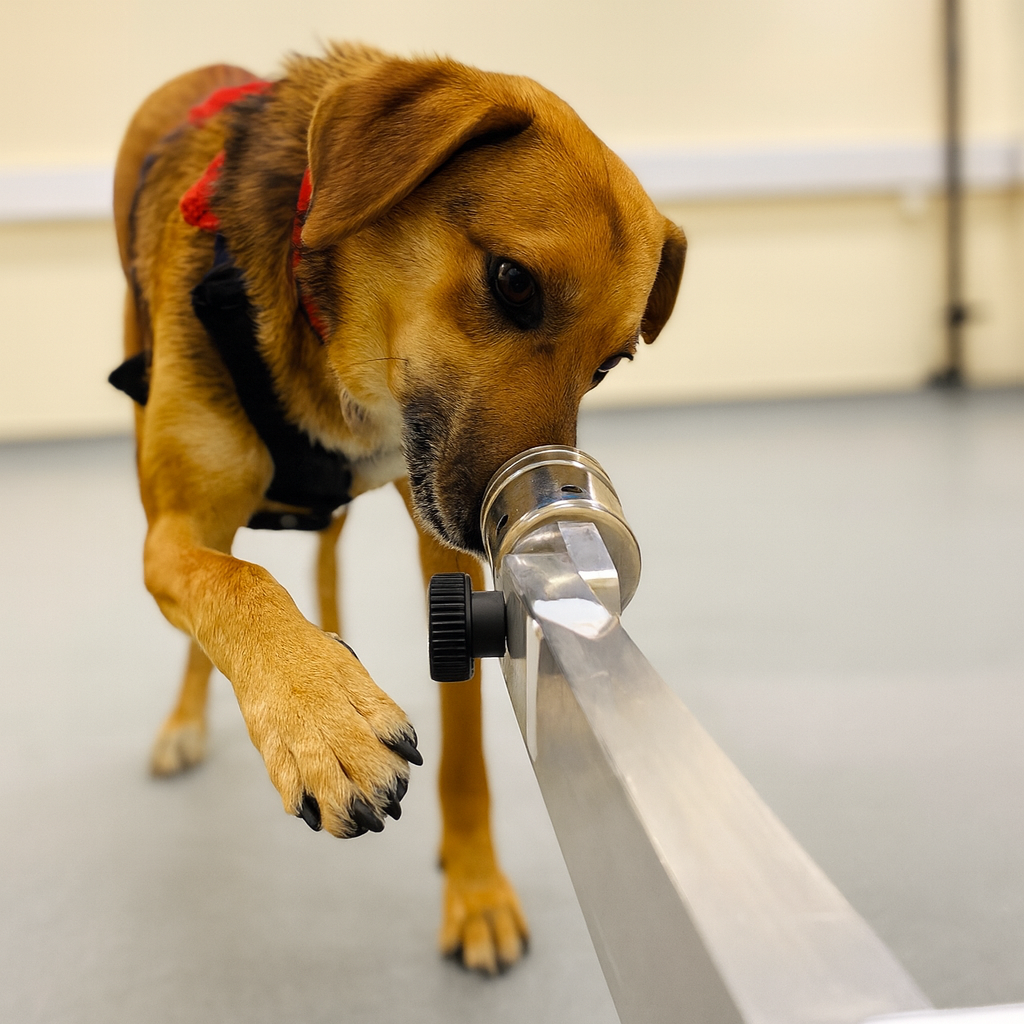
Medical detection dogs start by sniffing samples from both sick and healthy people. When a dog signals the correct “sick” sample, it gets a reward, usually a treat or toy.
Trainers repeat this many times with different people so the dog learns the common scent pattern, not one person’s smell. Practice moves from lab samples to more real-life situations. For some medical detection dogs, this process can take close to a year of steady work.
What Science Says: Diseases Dogs Can Really Smell
Studies now show that trained dogs can find certain diseases in controlled tests with striking accuracy. They do best when they sniff samples in a calm setting, not when they guess in a busy room.
Real Studies on Parkinson’s and Cancer Detection
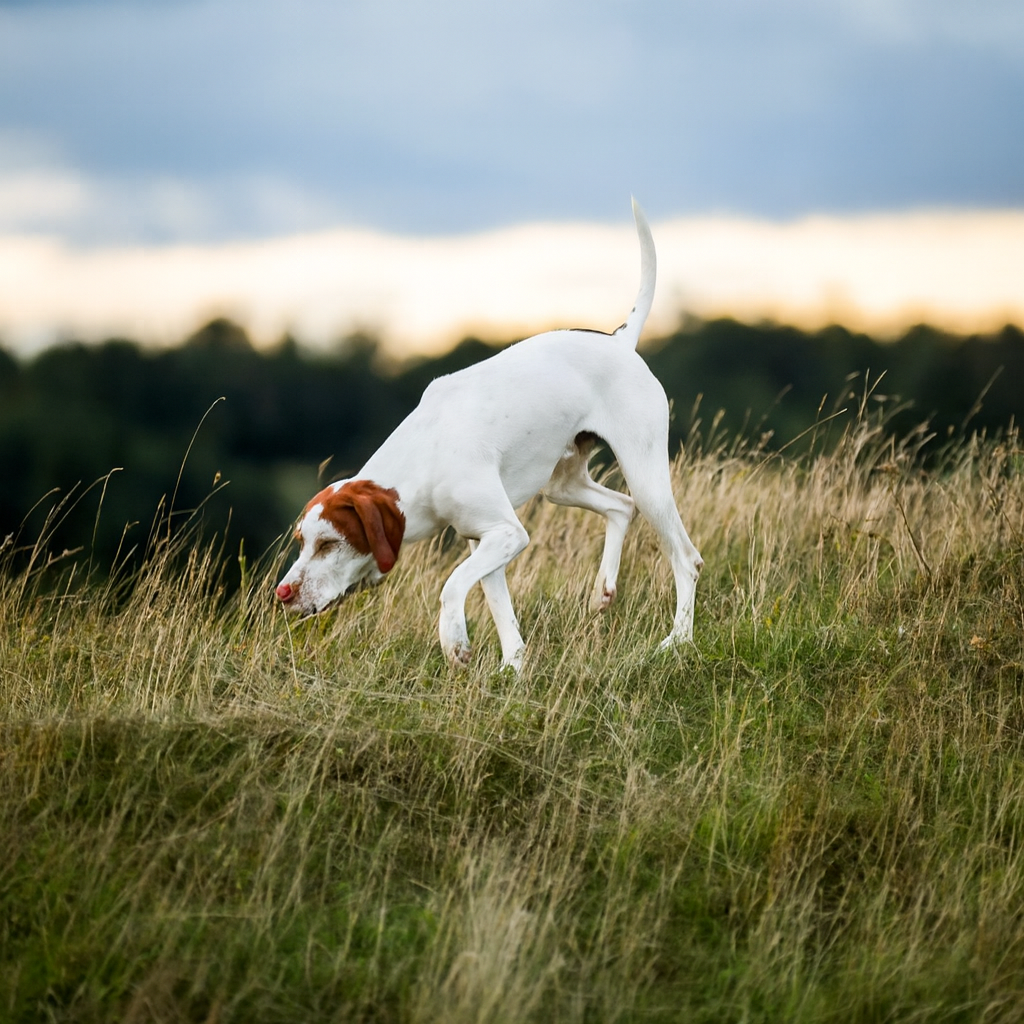
In a recent study, researchers found that trained dogs can detect the odor of Parkinson’s disease from skin swabs. The dogs correctly flagged about 70 to 80 percent of Parkinson’s samples and ignored around 90 percent of healthy samples. That means they were usually right when they said someone did not have the disease.
Other research on dogs sniffing out cancer shows they can pick up cancers from breath, urine, or blood at rates far above chance. These results support new tools that copy what a dog’s nose does, such as sensitive breath tests.
Diabetes, Infections, and Everyday Medical Alert Dogs
Some dogs live with people who have diabetes and learn to warn when blood sugar drops or rises too fast. The change in body odor, especially in breath, tells the dog that something is off.
During the pandemic, studies found that trained dogs could sniff out COVID-19 from sweat or breath samples, and sometimes from people walking by. Projects like the LSHTM “using dogs to detect COVID-19” study tested whether dogs could help pick who needed lab testing. These medical alert dogs turn a nose for scent into real safety for their handlers.
Limits, Safety, and What This Means for You and Your Dog
Dogs are impressive helpers, but they don’t replace doctors, lab tests, or regular checkups. Food, medicine, stress, hormones, or other illnesses can all change how a person smells. That can confuse even a well-trained nose.
If your dog suddenly acts worried about you, stares, or keeps sniffing one area, take it as a gentle nudge, not a verdict. It may be a sign to listen to your body and talk with a doctor if you notice other changes. Trained dogs really can smell some illnesses, but they should be seen as an early warning partner, not a final diagnosis. At the same time, keeping your home fresh while living with a dog is important; you can learn how to manage odors without losing the bond with your pet by checking how to get rid of dog smell from your house.
Should You Worry If Your Dog Acts Differently Around You?
A sudden shift in your dog’s behavior can be unsettling. Often, the cause is simple, such as a new routine, stress in the home, or the dog’s own health problems.
If the change is strong or lasts, it makes sense to visit a vet for your dog and a doctor for yourself. Treat your dog as a caring teammate in your health story, not as a medical device.
Conclusion
Dogs can smell illness because their noses pick up tiny changes in body scent that people can’t detect. Research supports this for Parkinson’s, some cancers, blood sugar swings, and certain infections, especially when dogs are carefully trained. The big idea is simple yet powerful: your dog’s attention to your scent might matter. Next time you feel unwell, watch how your dog responds, and let that curiosity guide you to care, not fear.
FAQs:
1. Can dogs really smell illness in humans?
Yes, dogs can detect certain illnesses because sickness changes the chemicals released from the body. These scent changes appear in sweat, breath, urine, and skin, and dogs can detect them due to their highly sensitive noses.
2. How do dogs sense that someone is sick?
When a person becomes sick, the body produces different volatile organic compounds (VOCs). Dogs pick up these small chemical changes through scent, often long before humans notice any symptoms.
3. Which diseases can dogs smell?
Research shows that trained dogs can detect Parkinson’s disease, some cancers, diabetes-related blood sugar changes, infections, and even viral illnesses like COVID-19 under controlled conditions.
4. Are dogs born knowing the scent of diseases?
No, dogs are not born knowing what an illness smells like. They have to be trained using samples from sick and healthy individuals to learn specific scent patterns.
5. How accurate are disease-detection dogs?
Accuracy can vary, but many studies show that trained dogs can identify certain illnesses with high sensitivity. In research settings, dogs often detect disease far above chance levels.
6. Can dogs detect cancer?
Yes, some studies suggest that dogs can detect certain types of cancer by smelling breath, urine, or blood samples. Their success depends on proper training and a controlled testing environment.
7. Can dogs detect Parkinson’s disease?
Recent studies show that trained dogs can identify the scent of Parkinson’s disease from skin swabs with notable accuracy, often detecting it earlier than traditional diagnostic methods.
8. Do dogs know when blood sugar drops?
Many dogs living with diabetic individuals can learn to recognize changes in blood sugar by sensing shifts in body odor, especially in breath. These dogs often alert their owners before symptoms appear.
9. Can dogs smell infections like COVID-19?
Some trained dogs have shown the ability to detect COVID-19 through sweat or breath samples. Research projects explored whether dogs could help identify people who need further testing.
10. Why does illness change the way a person smells?
When someone is sick, the body shifts how it burns energy and repairs cells. These changes create new chemicals or alter normal ones, producing a scent signature that dogs can notice.
11. Can a regular pet dog sense illness without training?
Some pet dogs may notice changes in their owner’s scent or behavior, but without training, their reactions are unpredictable. They may show concern or clinginess, but this is not a reliable detection method.
12. Should I worry if my dog suddenly acts strange around me?
Not necessarily. A dog’s behavior can change due to stress, routine shifts, or its own health issues. If the behavior persists and you feel unwell, it may be wise to consult a doctor and a vet.
13. Can dogs replace medical tests?
No, dogs cannot replace medical tests or professional diagnosis. They can act as early warning partners, but lab tests and doctors remain essential for accurate medical evaluation.
14. How are medical detection dogs trained?
Training begins with teaching dogs to smell samples from both sick and healthy people. They receive rewards when they correctly identify disease samples. Training can take several months to a year.
15. Are disease-detection dogs used in hospitals?
Some research programs and medical facilities use disease-detection dogs, but they are not widely used in hospitals yet. Most efforts focus on research settings and early detection projects.











Leave a Reply