


Curious if your pup can share a bite of that salty garnish? Here’s the short answer: capers are not toxic to dogs, but most are packed in salty brine that can be risky. A tiny, rare taste may be okay if rinsed well, yet capers are not necessary in a dog’s diet. When in doubt, skip them.
Are Capers Safe for Dogs?
Capers are usually pickled in brine. That means they are very salty, often around 2.3 percent salt. Salt makes dogs drink and pee more, and too much can lead to serious problems like salt poisoning.
Small dogs, seniors, and dogs with heart, kidney, or blood pressure issues face higher risk. Fresh or oil-packed capers are less salty, but they are still not needed and may include spices. If you insist on sharing, keep the portion tiny and rare. Think of capers as a novelty taste, not a treat.
Are capers toxic to dogs?
No. Capers themselves are not toxic. The main concern is the sodium from brine or pickling, along with spices or garlic sometimes added to the jar.
Why the sodium in capers is a problem
Excess salt can cause heavy thirst, frequent urination, stomach upset, and, in larger amounts, salt toxicity. Some dogs are more sensitive, so even small amounts can be too much.
If you share a tiny taste
- Rinse well under running water, then pat dry.
- Small dogs: 0 to 1 caper.
- Medium dogs: 1 to 2 capers.
- Large dogs: 2 to 3 capers.
- Do this no more than once a month.
- Avoid for puppies and any dog on a low-sodium diet.
Risks and Red Flags: Signs Your Dog Ate Too Many Capers
Too much salt triggers clear signs. Watch for heavy thirst, drooling, vomiting, diarrhea, lethargy, tremors, or seizures. Some caper jars include garlic or onion flavoring, which can be harmful to dogs in larger amounts. Stay calm if your dog raids the jar. Remove the source, offer water, and call your vet if symptoms start or if your dog is small, senior, or has health issues.

Salt poisoning symptoms to watch for
- Extreme thirst
- Vomiting or diarrhea
- Confusion or wobbling
- Tremors
- Seizures
What to do right away
Remove access to the jar, offer fresh water, and call your veterinarian. Share your dog’s size and roughly how many capers they ate. Do not induce vomiting unless your vet tells you to.
When to call the vet
Call if any symptoms appear, if your dog is small or older, has heart or kidney disease, or if your dog ate more than a few capers.
Better Treat Options and Safer Ways to Serve
You can satisfy your dog’s curiosity without the salt hit. Choose simple, fresh foods and keep portions small. If you still want to share capers, make it a rare taste and prepare them carefully.
Dog-friendly alternatives
- Sliced cucumber
- Green beans
- Blueberries
- Apple slices (no seeds)
- A small piece of plain cooked chicken
Curious about other pantry items? See this guide on the risks of dried fruit for dogs: can dogs eat dried fruit safely.
If you must share capers
Pick fresh or olive oil–packed capers over brined ones. Rinse well, soak briefly in water, then blot dry. Offer only a single caper as an occasional taste, never as a topping.
Dogs who should skip capers
- Puppies
- Toy breeds
- Dogs with kidney or heart disease
- High blood pressure
- Pancreatitis
- Dogs on low-sodium diets
What are the disadvantages of eating too many capers?
While capers can add a bold, tangy flavor to dishes, eating them in excessive amounts comes with several drawbacks that are worth noting:
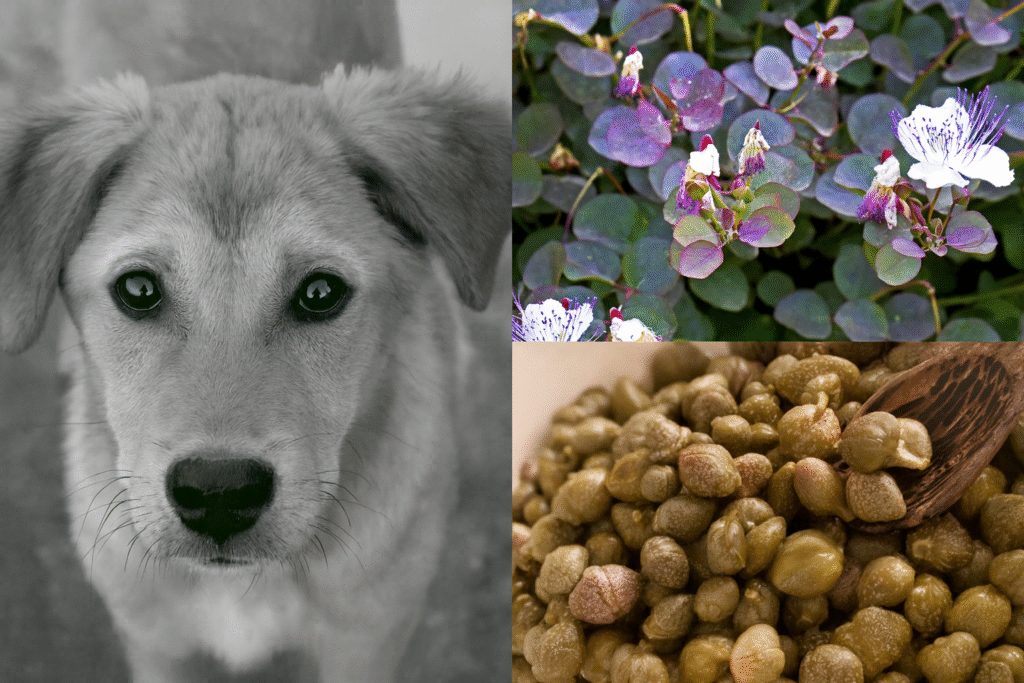
High Sodium Load
One of the most notable issues with capers is their high salt content, especially when pickled in brine. A one-tablespoon serving of capers can provide nearly 9% of the daily sodium recommendation. Healthline+2Superfoodly+2
Consistently consuming large amounts can contribute to elevated blood pressure and increased risk of cardiovascular disease. Healthline+1
For people already watching their sodium intake (those with high blood pressure, heart or kidney issues), over-consumption of salty foods like capers may be a serious concern.
Water Retention & Thirst
Because of the sodium, too many capers can lead to increased thirst, more frequent urination, and fluid imbalance in some people. While not always dramatic, these effects can be uncomfortable or troublesome if your diet is already high in salt.
Allergic or Sensitivity Reactions
Although rare, there are documented cases of people developing allergic reactions or skin irritations from the caper plant. RxList+1
If you notice itching, hives, swelling or other signs of sensitivity after eating capers, it’s wise to stop and consult a healthcare professional.
Digestive Discomfort
Consuming unusually large quantities of capers (or very concentrated amounts of brined product) might lead to minor stomach upset or digestive discomfort in some individuals.
While capers themselves aren’t strongly laxative or toxic, the salt and brine medium can provoke discomfort in sensitive digestive systems.
Negligible Nutritional Gain for the Quantity
Although capers do contain beneficial antioxidants and micronutrients (like quercetin, rutin, etc.), the amounts typically consumed are very small. The disadvantage here is that one might over-eat them for flavor but get very little net nutritional gain while increasing undesirable effects (like sodium overload). PMC+1
In short: the trade-off of salt versus benefit becomes less favourable when the portion is large or frequent.
Potential Risk of Interference in Specific Conditions
If you have diabetes, there is some evidence that caper extracts may influence blood sugar levels. While this is more relevant in medicinal doses rather than food amounts, it suggests caution in people taking blood-sugar-lowering medication. RxList+1
Also, if you have kidney disease, heart disease or are on a low-sodium diet, eating too many salty foods like capers could complicate your condition.
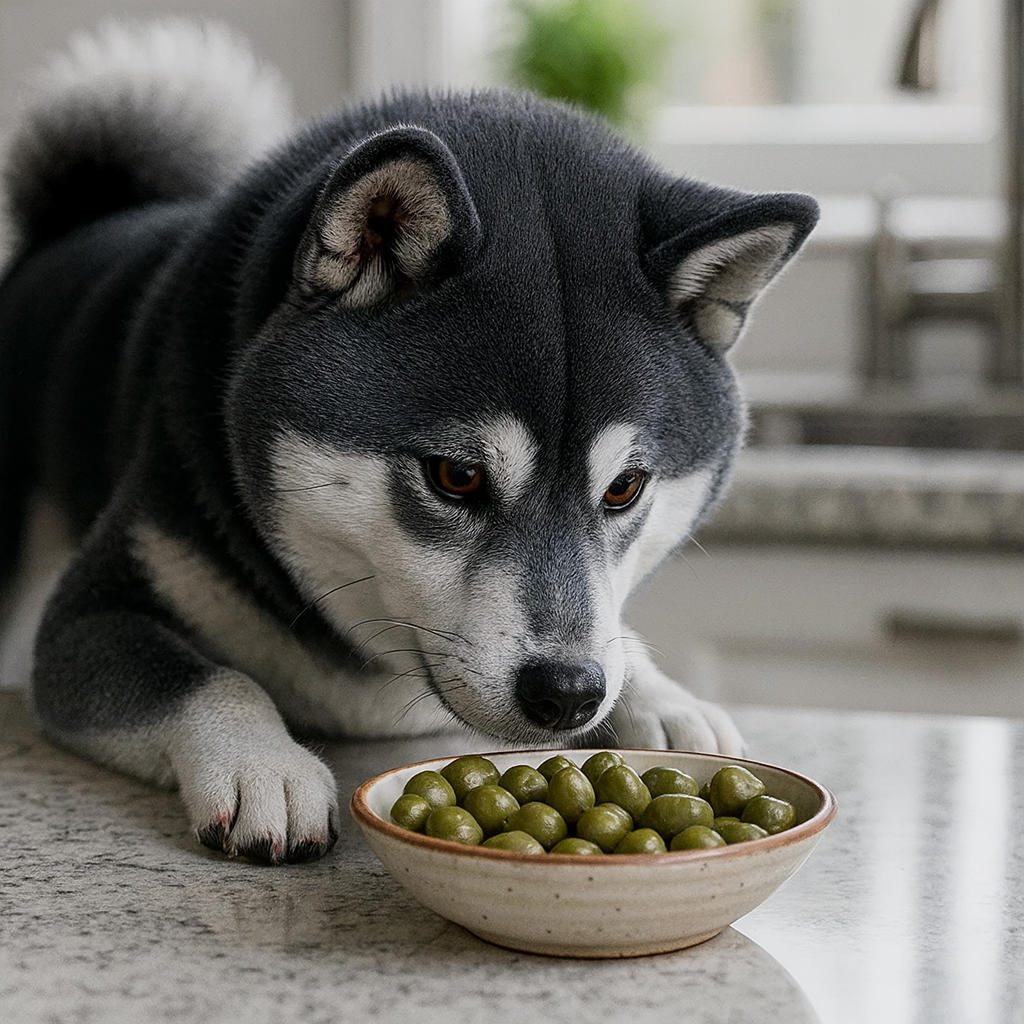
Why are small dogs dangerous?
Most commercially available capers are brined or pickled, meaning they are high in sodium (salt). For example, one source says capers are typically around 2.3% salt.
Small dogs have a lower tolerance for sodium load compared to larger breeds. What might be a “small” amount for a large dog could be much more significant for a toy or small breed.
Too much salt for any dog — especially a small one — can lead to dehydration, vomiting, diarrhoea,and even salt poisoning in extreme cases.
Also, flavoured or spiced capers (with garlic, onion, herbs) introduce further risk, since dogs can react badly to those additives.
Conclusion
Capers are not toxic, but the salt risk outweighs any benefit. A single, well-rinsed caper can be an occasional taste for healthy adult dogs, yet safer treats exist. Check with your vet before adding new foods. If your dog gets into a salty jar, watch for signs of trouble and call your vet early. Your pup will not miss capers, but they will love a crisp, low-sodium snack.
Faqs:
What are capers exactly?
Capers are the unopened flower buds of the plant Capparis spinosa.
Are capers good for you?
Yes — they are very low in calories, contain antioxidants (like quercetin and rutin) and trace minerals.
What are the health benefits of capers?
Some benefits include anti-inflammatory and antioxidant potential, possibly supporting blood sugar control, though research is still limited.
What are the drawbacks of eating capers?
The main drawback is their high sodium content when preserved in brine/salt. Also possible allergy/sensitivity in some people.
How should capers be prepared to reduce risks?
Rinse well under cold water (especially if brined) to remove excess salt; use small amounts as garnish rather than large portions.
Are capers safe during pregnancy or for children?
As normal food amounts, they’re generally safe. But for supplements or large medicinal doses of caper extract, there’s insufficient information.
Can capers interact with medications or health conditions?
Yes — because they may affect blood sugar and blood pressure (due to sodium) and people with diabetes or hypertension should be cautious.
Are capers toxic?
No — for most people in normal food amounts, capers are not toxic. But large doses of caper extract or very high salt consumption from brined capers can pose risks.
What is the difference between fresh vs pickled/salted capers?
Fresh or oil-packed capers will generally have much lower sodium than those preserved in brine/salt, making them a slightly better option if salt intake is a concern.
How many capers is too many?
There’s no fixed “too many” number for humans, but because of their sodium load, using capers occasionally as a garnish (tiny amounts) rather than a large portion is the safer approach.



















Leave a Reply