


Can a French bulldog be a service dog? Yes, if the dog is trained to perform specific tasks that help with a disability, a Frenchie can qualify as a service dog under U.S. law. The law cares about what the dog does, not what it looks like.
This guide explains how the ADA views service dogs, where French bulldogs shine, where they struggle, and how to decide if your own dog is a good fit for service work.
Key Takeaways:
French bulldogs can be service dogs under the ADA, as long as they are trained to perform tasks related to a disability.
The ADA does not restrict service dogs by breed or size, meaning Frenchies legally qualify if properly trained.
A service dog must perform specific tasks, not just offer comfort—emotional support alone does not meet ADA requirements.
French bulldogs are often a good match for psychiatric service roles, such as anxiety or PTSD support.
Their strengths include strong bonding, calm behavior in small spaces, and responsiveness to their handler’s needs.
Due to their brachycephalic (flat-faced) structure, Frenchies can face breathing issues and heat intolerance, limiting physically demanding tasks.
French bulldogs are not suited for heavy mobility work like bracing, pulling wheelchairs, or long outdoor shifts.
They are best used for tasks like panic attack alerts, behavior interruption, deep pressure therapy, and guiding to safe spaces.
Not every Frenchie qualifies—successful service dogs must show calm behavior, good manners, and steady focus in public.
Choosing a Frenchie for service work requires matching the handler’s disability needs with the dog’s capabilities, plus professional training for safe, reliable task performance.
What the ADA Says About Service Dogs and Breed Limits
Under the Americans with Disabilities Act (ADA), a service dog is a working partner, not just a pet. The ADA focuses on trained tasks that help a person with a physical or mental disability. It does not rank breeds or favor large dogs over small ones.
The official ADA requirements for service animals make it clear that public places must allow service dogs that are under control and house trained. There is no list of “approved” breeds. That means a French bulldog can be a service dog if it is trained to perform tasks that are directly related to a disability and behaves well in public.
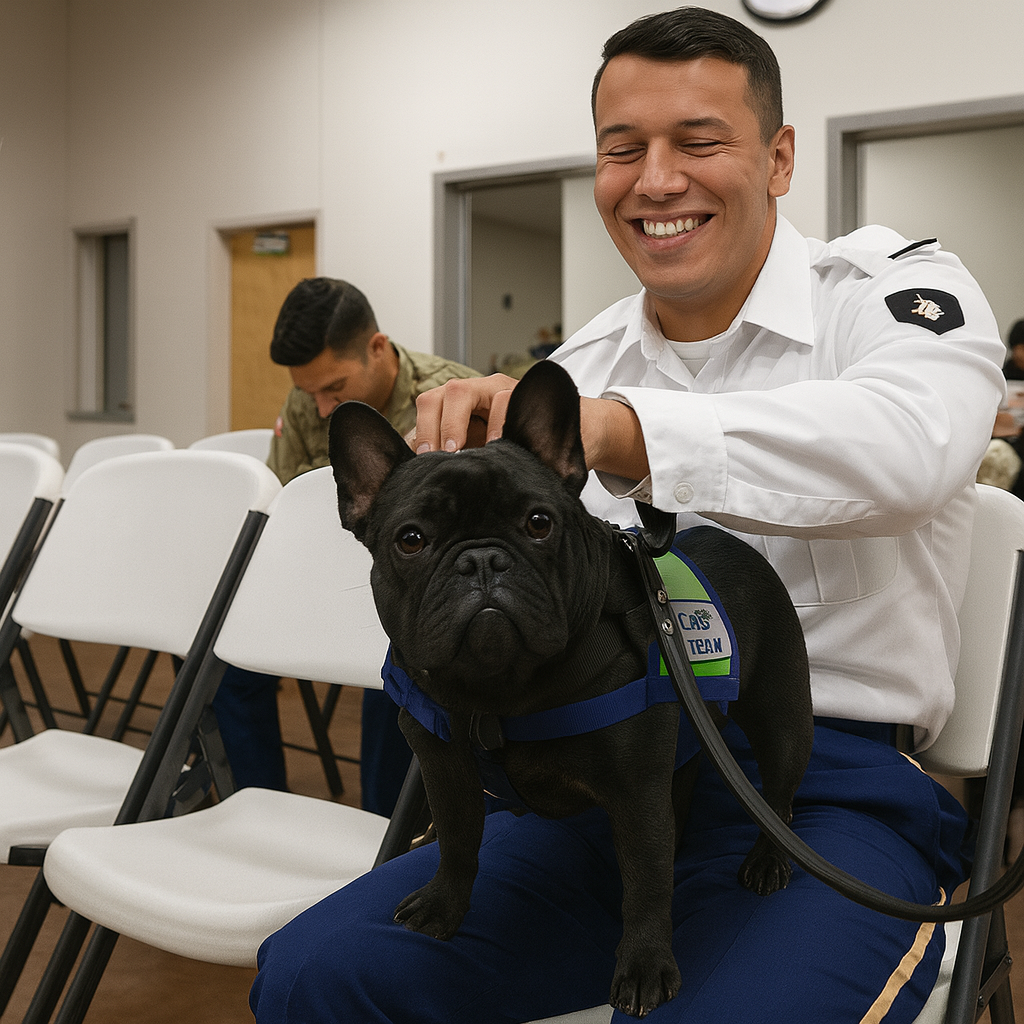
ADA definition of a service dog in simple terms
In plain English, a service dog is any dog that is trained to do work or tasks for a person with a disability. Those tasks can include things like:
- Alerting to sounds or medical changes
- Guiding someone away from danger
- Reminding a person to take medication
- Interrupting harmful or unsafe behavior
Comfort, cuddles, and emotional support by themselves are not enough. The dog must have specific, trained tasks that help with the handler’s condition.
No breed ban: why a French bulldog can be a service dog by law
The ADA does not allow general breed bans for service dogs. The official service animal FAQ from the ADA states that any breed of dog can be a service animal if it meets the requirements.
A French bulldog can serve as a legal service dog if it is:
- Task trained for a disability
- Under control in public
- Non-aggressive and well behaved
Local breed rules or size limits usually do not apply to trained service dogs, unless a specific dog shows unsafe behavior like biting or real threats.
Are French Bulldogs a Good Fit for Service Dog Work?
French bulldogs can be strong service partners for some needs, especially psychiatric and certain medical alert tasks. They are not a good choice for heavy physical work or long, intense activity.
The key is to match what the handler needs with what the breed can realistically do. For many people who live in apartments, work in offices, or travel often, a smaller, people-focused dog can be very practical.
Strengths of French bulldogs as service dogs
Frenchies are known for their people-centered nature. Many:
- Form a deep bond with one person
- Enjoy close contact and sitting in laps
- Stay calm in small spaces like offices, buses, or planes
They can be smart and eager to please, which works well for tasks such as:
- Alerting to anxiety or panic signs
- Interrupting harmful habits, like picking or scratching
- Giving reminders or nudges to take medication or leave a stressful area
Resources like Pettable’s guide on French bulldog service dogs describe how this breed often thrives in psychiatric support roles.
Health and size limits you need to know
French bulldogs are a brachycephalic breed, which means they have a short nose and flat face. This body type can cause:
- Breathing problems
- Snoring and airway issues
- Trouble with heat and humidity
These dogs can overheat quickly and may struggle with long walks, stairs, or outdoor work in warm weather. Their small size also limits the jobs they can do. A Frenchie is not built for:
- Bracing or supporting body weight
- Pulling a wheelchair
- Full guide-dog work for someone who is blind
For those tasks, a larger, more athletic breed is much safer.
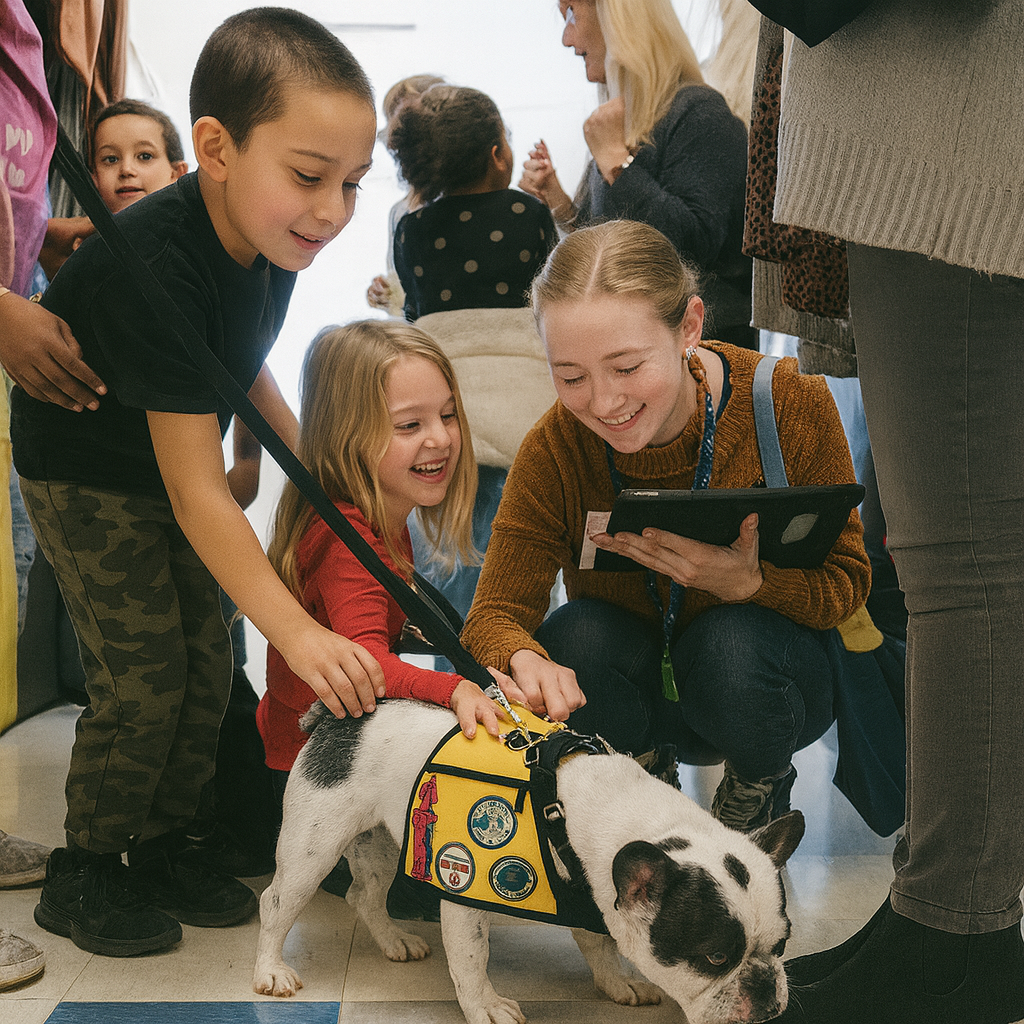
Best service roles for a French bulldog
French bulldogs tend to fit best in service roles that match their size, energy, and love for close contact, such as:
- Psychiatric service dog for anxiety, PTSD, or depression
- Medical alert for panic attacks or some changes in heart rate or breathing
- Task work like deep pressure therapy (lying across the lap or chest)
- Interrupting self-harm behaviors, such as hitting or scratching
- Guiding the handler to a safe place or trusted person during an episode
Articles such as French Bulldog As A Service Dog: An Ideal Furry Friend describe many of these roles in more detail.
How to Decide if Your French Bulldog Can Be a Service Dog
Not every Frenchie, even a sweet one, will make a good service dog. You need to look at both the dog and your own needs.
A good starting point is to talk with your doctor or therapist about what kind of help would make your daily life safer and more stable. Then speak with a professional trainer who has real service dog experience. If you’re also learning more about French bulldog care and health in general, you may find it helpful to understand how long a French bulldog is pregnant and what the normal timeline looks like, which you can read about here:
Temperament and behavior checks to look for
A service dog must stay calm and focused in public. For a French bulldog, good signs include:
- Relaxed body language in crowds and new places
- No aggression toward people or other animals
- The ability to ignore food, noise, and strangers
The dog should be confident but not pushy, and able to settle quietly at your feet for long periods. Red flags for service work include:
- Fearfulness or hiding
- Frequent barking or whining
- Lunging, snapping, or strong reactivity
Training needs: from basic manners to task work
Every service dog starts with rock-solid basics. Your French bulldog should first learn:
- Sit, down, stay, heel, and come
- Reliable house training
- Calm behavior in cars, stores, and waiting rooms
After that, the dog needs task training that connects directly to your disability. Examples include:
- Alerting when you show early signs of a panic attack
- Interrupting repetitive or harmful behaviors
- Guiding you to an exit or quiet place when you feel overwhelmed
Working with a trainer who has service dog experience, not just pet classes, is very helpful for this step.
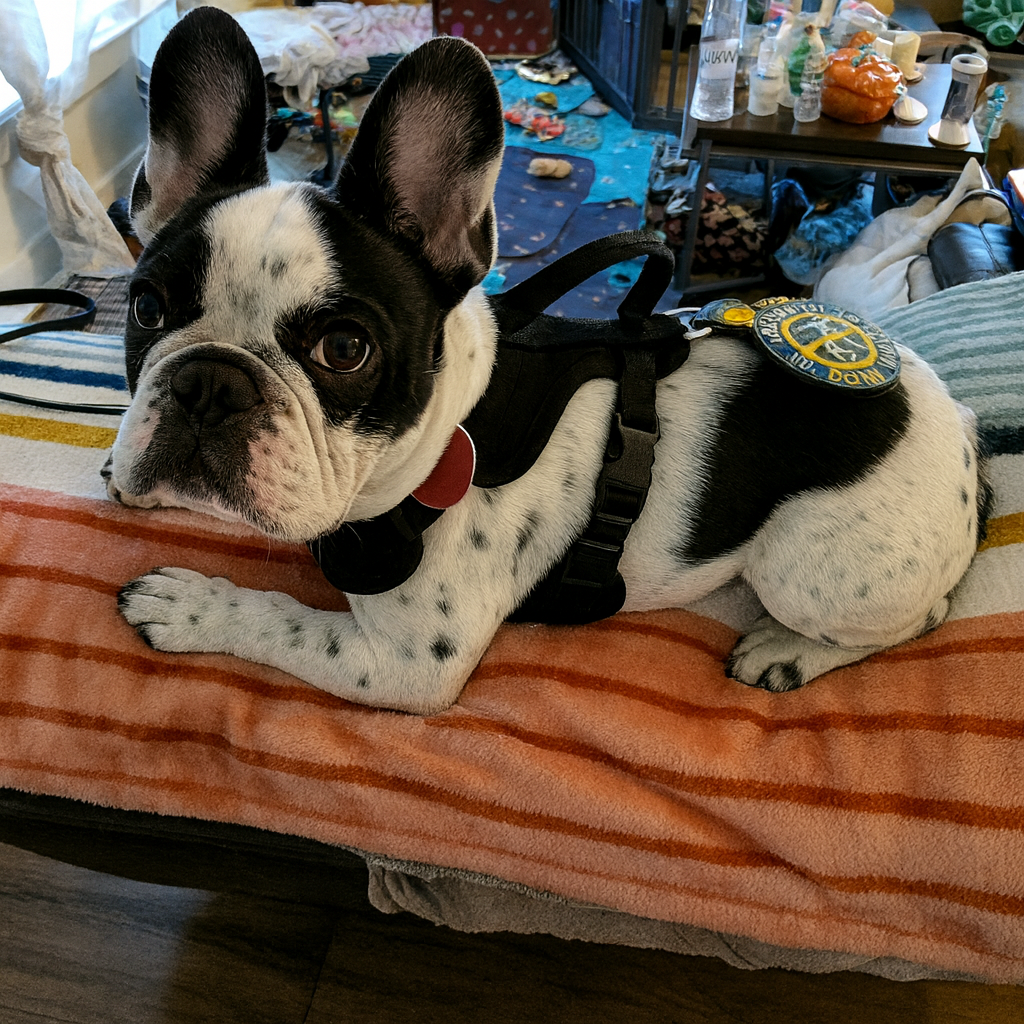
Matching your disability needs with what a Frenchie can do
The breed must match your real-life needs. If you need:
- Help standing, walking, or bracing
- A dog that can work long hours outdoors
- Strong pulling or guide work
then you will likely need a larger, more athletic dog.
If your main needs involve:
- Anxiety, PTSD, depression, or panic
- Staying grounded and calm in public
- Help noticing or managing early symptoms
a French bulldog may be a very good fit. Discuss your needs with a healthcare professional and be honest about your daily activity level and living situation.
Conclusion
A French bulldog can be a service dog under the ADA, because the law focuses on trained tasks for a disability, not on breed. That said, the breed’s health limits and small size mean it is not the right choice for every handler or every type of work.
If your needs fit what a Frenchie can safely do, and you invest in serious training and support from pros, your dog can become a steady partner. With the right match between person, tasks, and breed, a French bulldog service dog can provide life-changing help and daily comfort.
FAQs:
Can a French bulldog legally be a service dog?
Yes. Under the ADA, a French bulldog can legally be a service dog if it is trained to perform tasks that support a person with a disability. The law focuses on what the dog can do, not its breed.
Does the ADA have a list of approved service dog breeds?
No. The ADA does not limit which breeds can be service dogs. Any breed, including French bulldogs, can qualify if properly trained.
What tasks can a French bulldog perform as a service dog?
French bulldogs can perform many useful tasks such as alerting to anxiety or panic symptoms, interrupting harmful behaviors, guiding the handler to a quiet space, or providing deep pressure therapy.
Are French bulldogs good psychiatric service dogs?
Yes. Their affectionate nature and strong bond with their handler make them particularly effective for psychiatric support such as anxiety, PTSD, or depression-related tasks.
Can a French bulldog be an emotional support animal (ESA)?
Yes, they can be ESAs, but emotional support animals are not the same as service dogs. ESAs offer comfort but do not perform trained disability-related tasks.
Are French bulldogs allowed in public places as service dogs?
If a French bulldog is trained as a service dog, it is legally allowed in most public places such as stores, restaurants, buses, and airplanes under ADA rules.
What disabilities can a French bulldog help with?
French bulldogs can assist with psychiatric conditions, panic attacks, sensory challenges, and certain medical alert tasks depending on their training.
Can French bulldogs perform mobility or balance tasks?
No. Their small size and physical limitations make them unsuitable for heavy physical tasks like balance support, bracing, or wheelchair pulling.
Do French bulldogs need certification to be service dogs?
The ADA does not require a certificate for service dogs. What matters is proper task training and good behavior in public.
Are French bulldogs easy to train for service work?
Frenchies are generally eager to please, but they can be stubborn at times. Consistent training and help from a professional service dog trainer make a big difference.
Do French bulldogs have health issues that affect service work?
Yes. Because they are a brachycephalic breed, they can struggle with breathing issues, overheating, and long periods of physical activity.
Can a French bulldog work in hot weather?
French bulldogs overheat quickly and should not work for long in hot or humid environments. They are better suited to indoor or climate-controlled tasks.
What temperament signs show a Frenchie might make a good service dog?
A good candidate will be calm, friendly, confident in new places, able to ignore distractions, and capable of staying focused around people and noise.
How much training does a French bulldog need to be a service dog?
A French bulldog needs strong basic obedience, reliable behavior in public, and specialized task training that is directly connected to the handler’s disability.
How do I know if my French bulldog is the right match for my needs?
You should consider your disability, lifestyle, daily environment, and the type of help you need. Speaking with a healthcare provider and a service dog trainer can help determine if your Frenchie is a good fit.
















Leave a Reply