
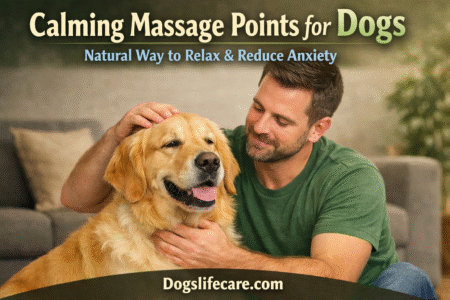
You can help your dog relax and lower anxiety with gentle, targeted massage. Using a few calming points like the brow, ear base, sternum, and tail base paired with slow, light strokes can soothe your dog’s nervous system and reduce tension within minutes. This natural approach supports training, comfort, and bonding without needles or drugs.
The article shows how touch affects your dog’s body, how to apply safe pressure, and which spots work best for different situations. You’ll find simple techniques, signs your dog accepts the touch, and tips to use massage during storms, vet visits, or before bedtime so you both stay calmer.
- The Science Behind Calming Massage for Dogs
- How Massage Affects the Canine Nervous System
- Physiological Benefits for Anxiety and Stress
- Understanding Your Dog’s Stress Signals
- Principles of Safe and Effective Dog Massage
- Preparing the Environment and Gaining Consent
- Reading Canine Body Language for Comfort
- Precautions and When to Consult a Veterinarian
- Calming Massage Points and Techniques
- Key Calming Massage Points Explained
- Step-by-Step Techniques for Relaxation
- Integrating Acupressure into Your Routine
- Tailoring Approaches for Separation Anxiety and Noise Sensitivity
- Canine Acupressure and Traditional Chinese Veterinary Medicine
- Overview of Canine Acupressure Principles
- Notable Acupressure Points for Anxiety Relief
- TCVM Insights: Holistic Benefits
- Incorporating Acupressure Safely at Home
The Science Behind Calming Massage for Dogs
Gentle, targeted touch can slow your dog’s breathing, relax muscles, and lower stress hormones. You’ll learn how massage changes the nervous system, what physical benefits reduce anxiety, and which body signals tell you when to stop.

How Massage Affects the Canine Nervous System
Light, rhythmic strokes activate pressure receptors in skin and fascia that send calming signals to the brain. This boosts parasympathetic activity—your dog’s “rest and digest” state—so breathing and heart rate slow.
Massage also raises oxytocin and other calming neurochemicals while lowering cortisol over repeated sessions. Those changes make your dog more open to handling and training. Keep pressure gentle; deep pressure can trigger a pain response instead of calming.
Watch for immediate cues: slow blinking, sighing, or leaning into your hand mean the nervous system is shifting toward relaxation. If your dog stiffens or pulls away, the nervous system is not responding well—ease off and try a different spot.
Physiological Benefits for Anxiety and Stress
Massage reduces muscle tension that comes with anxiety. Tight neck, shoulder, and hip muscles often mirror a worried state. Releasing those muscles helps your dog settle and lie down more easily.
Improved circulation follows from light strokes. Better blood flow supplies oxygen and clears metabolic waste from tense tissue. That can reduce soreness after activity and make movement feel easier for anxious dogs.
Massage can help dogs with chronic stress-related conditions, like pacing or restlessness, by lowering baseline arousal. It’s not a medical cure; combine massage with vet care, training, and behavior plans when anxiety affects eating, sleep, or safety.
Understanding Your Dog’s Stress Signals
Your dog uses clear body language to accept or refuse touch. Positive signs include soft eyes, relaxed ears, loose mouth, and a lengthened body or leaning into your hand. These mean you can continue.
Negative signals include stiff body, tucked tail, hard stare, lip lift, growl, or moving away. Stop immediately if you see those. Also watch subtle signs like yawning with a tense face or repeated licking—these can mean discomfort before escalation.
Use a brief consent test: lift your hand every 10–15 seconds. If your dog nudges back, proceed. If they step away, respect that choice and try proximity or shorter sessions later.
Principles of Safe and Effective Dog Massage
Keep sessions short, gentle, and focused on consent, comfort, and clear signals from your dog. Set a quiet space, use light pressure, and stop at any sign of distress.

Preparing the Environment and Gaining Consent
Choose a low-traffic room with a non-slip surface like a rug or yoga mat. Dim bright lights and turn off loud devices so your dog can settle. Have a few soft treats and a towel nearby in case you need to support joints or clean paws.
Sit or kneel at your dog’s level so you don’t loom. Offer the back of your hand to sniff and wait for a relaxed approach. Start with two-handed warm-up strokes along the sides, not directly on the spine. Use the “lift-and-wait” consent test: move your hand away every 10–15 seconds; if your dog leans in, continue. If your dog moves away, stop and try a different spot later.
Keep sessions to 5–8 minutes at first. Increase time only when your dog shows clear signs of wanting more, like returning to you or settling down on the mat.
Reading Canine Body Language for Comfort
Watch for soft blinks, slow sighs, and relaxed mouths these are positive signs. A dog that shifts weight toward your hand, nudges you, or licks softly usually welcomes the touch.
Stop or change technique if you see stiff body, hard eyes, raised lips, tucked tail, or repeated yawns with a tense face. Moving away, freezing, or growling are clear “no” signals. Note subtle cues like one-ear back, paw lifts, or quick body tenses; these often mean mild discomfort.
Record how your dog reacts to each area over several sessions. That helps you tailor at-home dog massage to safe spots and avoid areas that cause guarding or flinch responses.
Precautions and When to Consult a Veterinarian
Do not massage swollen, hot, or visibly injured areas. Avoid massaging over fresh wounds, stitches, or where your dog shows acute pain. Skip deep pressure around the spine, neck, or joints unless a vet or certified canine massage therapist gives guidance.
If your dog has a known condition like hip dysplasia, heart disease, recent surgery, or a bleeding disorder ask your veterinarian before starting dog massage at home. Also consult a vet if anxiety or pain worsens, or if your dog shows changes in appetite, mobility, or sleep after a session.
When in doubt, stop the session and call your vet. A professional can advise safe techniques, rule out medical causes, and refer you to a certified animal massage therapist if needed.
Calming Massage Points and Techniques
You will learn specific points to touch, how to apply pressure, and ways to fit short sessions into daily life. The instructions focus on safe spots, clear cues your dog gives, and simple moves you can repeat.
Key Calming Massage Points Explained
Focus on the brow (Yin Tang), base of the ears, neck poll, sternum, tail base, and the muscles along the spine and hips. Yin Tang sits between the eyes and often calms arousal when you rest fingertips there for 2–3 slow breaths.
The ear base and ear slides work because ears hold many nerve endings. Use gentle, slow slides from base to tip to cue relaxation.
The poll and neck carry tension from leash pulling and alertness. Make tiny circular movements on the muscles beside the spine, never press on the windpipe.
Sternum circles and light rib fans help deeper breathing. Long, flat palm strokes along the back muscles (not the bony spine) and gentle holds at the tail base can downshift overall tone. Watch for soft blinking, leaning in, or a deep exhale as signs the points are helping.
Step-by-Step Techniques for Relaxation
Start with 5–8 minutes on a non-slip surface after a short walk. Invite your dog to approach and offer the back of your hand to sniff before touching. If your dog stays, begin with broad warming strokes from neck to hips to set a slow rhythm.
Move to the head sequence: rest fingertips on Yin Tang for two slow breaths, then make small cheek circles and five slow ear slides per side. Continue with sternum circles and rib fans to encourage calmer breathing.
Finish with long back sweeps and a gentle hold at the tail base for two to three breaths. Use the “grape test” to gauge pressure—light enough not to crush a grape. Stop if your dog stiffens, moves away, or growls.
Integrating Acupressure into Your Routine
Use acupressure techniques during predictable times: after walks, before bedtime, or when your dog settles in a crate. Pair a single-word cue like “relax” with the touch to build a conditioned response. Keep sessions short at first—three to five minutes—and increase as your dog accepts touch.
Use a gentle fingertip for acupressure points such as Yin Tang and ear base. Apply steady, soft pressure for 2–5 seconds, then release. Combine with positive reinforcement: a small treat after the session or when your dog leans into the touch.
Avoid essential oils and strong scents during sessions. If your dog has medical issues, check with your vet before adding acupressure to care.
Tailoring Approaches for Separation Anxiety and Noise Sensitivity
For separation anxiety, build a calm cue and mat routine. Do short, daily massage mini-sessions on the mat sternum circles, shoulder sweeps, and Yin Tang then step away for a minute. Gradually lengthen absences while using the same cue and touch before you leave. This trains calm behavior linked to departure.
For noise sensitivity (storms, fireworks), start touch early when the forecast looks bad. Use quick, focused touches: ear slides, Yin Tang rests, and tail base holds. If noise spikes, switch to proximity relaxation sit near, breathe slowly, and place your hand gently without active massage until the dog steadies. Pause touch during heightened panic and resume in quiet gaps.
Canine Acupressure and Traditional Chinese Veterinary Medicine
Canine acupressure uses specific touch points and meridians to calm your dog, ease pain, and boost circulation. Traditional Chinese Veterinary Medicine (TCVM) frames these points in a whole-body system that links emotions, organs, and energy flow.
Overview of Canine Acupressure Principles
Canine acupressure applies steady, gentle pressure to points along meridians. These meridians are channels TCVM describes as carrying qi (energy). When you stimulate a point, you aim to reduce tension, encourage blood flow, and promote release of calming neurochemicals.
Use flat pads of your fingers or thumbs, not sharp pokes. Hold each point for 30–90 seconds while watching your dog’s body language. Signs your dog accepts the touch include soft eyes, slow breathing, and relaxed posture. If your dog tenses, pulls away, or growls, stop and try a gentler approach or a different spot.
Notable Acupressure Points for Anxiety Relief
Several points often help with anxiety. The Yin Tang point sits between the eyes; apply light circular pressure to ease nervousness. Shen Men lies on the ear flap’s upper ridge; gentle rubbing here calms stress and can lower arousal.
GV-20 (top of the head) helps grounding when your dog is overexcited. CV-17 (center chest) supports emotional balance and reduces chest tension. Stomach 36 (below the knee) can ease digestive upset linked to stress and support overall stamina.
Work one to three points per session rather than many points at once. Keep sessions brief 2–5 minutes for most dogs then reward with a calm praise or a small treat. Track responses over several days to see which points help your dog most.
TCVM Insights: Holistic Benefits
TCVM connects emotional states to organ systems. For example, TCVM links anxiety and restlessness to imbalances in the heart or spleen meridians. By choosing points tied to those meridians, you address both behavior and physical signs like shallow breathing or poor appetite.
TCVM also values pattern recognition: you’ll look for clusters of signs (sleep changes, digestion, coat quality) rather than a single symptom. That helps you pick more effective point combinations. Use acupressure as one part of a broader plan that can include diet adjustments, herbal support, and veterinary care when needed.
Incorporating Acupressure Safely at Home
Start with a calm setting and short sessions. Check with your veterinarian if your dog has heart disease, open wounds, or is pregnant; some points may be contra-indicated. If your dog is on medication or has a chronic condition, get professional advice before adding acupressure.
Learn from a certified canine acupressure practitioner or trusted course. Practice locating landmarks (nose bridge, ear rim, knee) on a relaxed dog before applying pressure. Keep notes on which points you used, session length, and your dog’s reactions to refine your approach.













Leave a Reply