


A male dog can make puppies surprisingly early, sometimes before he’s done growing. But the best age to breed a male dog is usually when he’s physically mature and health-tested, not simply when he’s fertile. Age varies by breed size, overall health, and your goal (a planned, responsible litter versus an accidental pairing).
Think of it like asking a teenager to run a marathon. He might finish, but his body and mindset are still changing. A vet visit and breed-appropriate genetic testing matter as much as the calendar.
Key Takeaways:
A male dog can be fertile very young, but true breeding readiness comes with physical and mental maturity.
For most dogs, the ideal age to start breeding is between 12 and 18 months, not as early as fertility allows.
Breed size matters a lot, with small dogs maturing earlier and large or giant breeds needing more time.
Physical maturity includes healthy joints, muscles, and overall structure, not just age on the calendar.
Breeding too early can pass on hidden health or behavior problems that haven’t shown up yet.
A full veterinary exam and breed-specific health and genetic testing are essential before breeding.
Temperament is just as important as health, and a good sire should be stable, confident, and safe to handle.
Signs like poor condition, recurring illness, pain, or behavioral issues mean breeding should be delayed.
While older males may stay fertile, semen quality and health can decline, increasing long-term risks.
Responsible breeding means reassessing the dog’s health regularly and prioritizing welfare over profit or timing.
Best age to breed a male dog, the simple rule of thumb
For most dogs, a solid starting point is 12 to 18 months, after the dog has reached physical maturity. Many males can produce sperm as early as 6 months, but fertility isn’t the same as readiness.
Readiness means:
- a fully developed body (including joints and muscle),
- a steadier temperament,
- and enough time for inherited traits to show up.
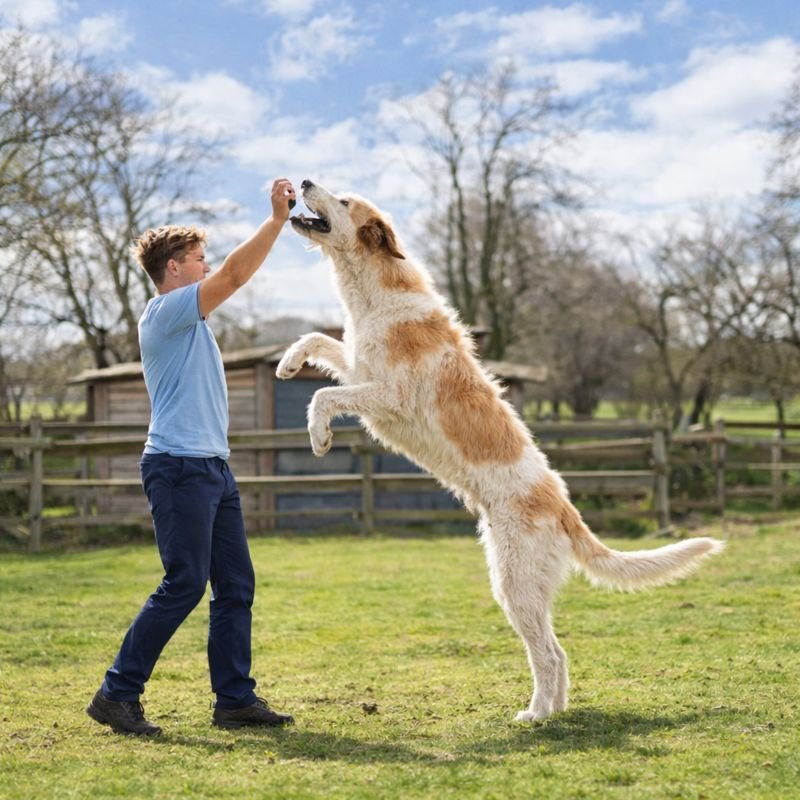
Breeding too soon can lock you into surprises you did not see coming, from anxiety to poor structure. Some registries also restrict very young sires. For example, certain organizations won’t register litters from males under about 7 months, and many set an upper registration limit that’s commonly around 12 years.
For a practical overview of timing and fertility, see When Can Male Dogs Breed?.
Breed size matters: when small, medium, and large dogs mature
Size changes the clock. A quick guide:
- Small breeds often mature near 12 months.
- Medium breeds often mature around 12 to 15 months.
- Large and giant breeds commonly need 15 to 18 months or longer, with some giants closer to two years.
Your best reference points are your vet and your breed’s parent club, since “mature” looks different in a Chihuahua than a Great Dane.
Before you breed, make sure your male dog is truly breeding-quality
Age is only the entry ticket. Before the first breeding, schedule a full exam and confirm basics like vaccines and parasite control. Then focus on screening that matches the breed and the dog’s risk.
Common responsible-breeding checks include hip and elbow evaluations, eye exams, and heart screening, plus breed-specific DNA tests (for issues like PRA or von Willebrand disease). Many breeders also test for brucellosis and may run a semen analysis, especially if timing is tight or the male is older.
Temperament counts just as much. A good sire should be stable, confident, and safe to handle. Structure, movement, and family history also matter. The American Kennel Club’s guide to responsible dog breeding is a helpful baseline for planning and ethics, including supporting puppy buyers.
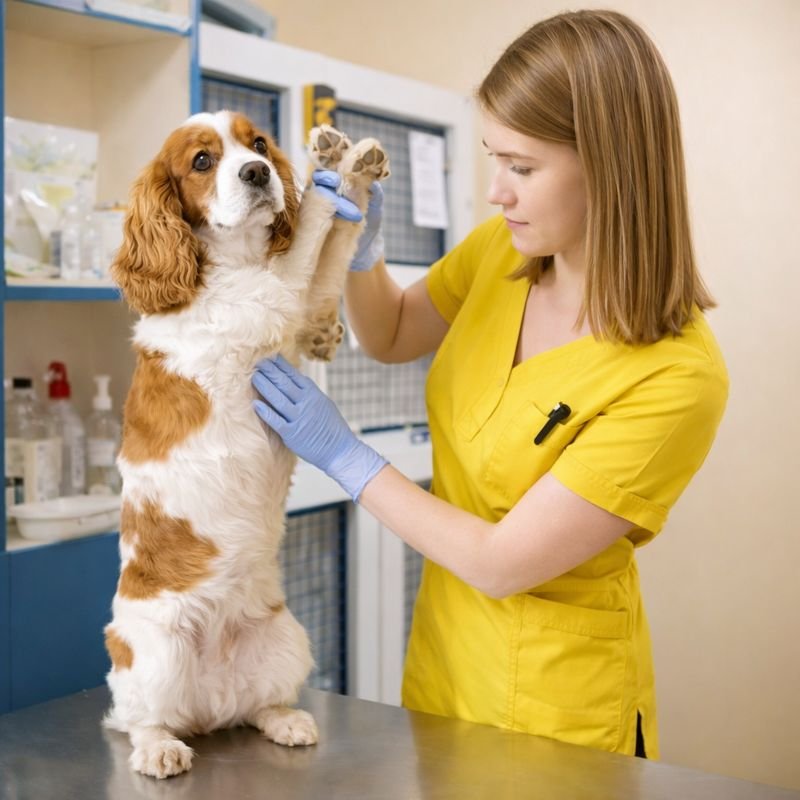
Signs he’s not ready yet (even if he’s old enough)
Delay breeding if you notice red flags like poor body condition, repeat skin or ear infections, coughing, easy fatigue, limping, or pain after exercise. Behavior matters too, including fear, reactivity, or aggression.
If a semen test shows inconsistent quality, don’t push through it. Work with your vet (or a repro vet) and re-check after health issues are resolved.
Risks of breeding too young or too old, and when to stop
Breeding too young can mean an immature body, lower semen quality, higher stress, and a greater chance of injury during mating. You also risk passing along traits that were not obvious yet, which is why overall long-term health should always be considered, not just fertility. Focusing on proper dogs’ life care practices that support health and longevity can help breeders make more responsible decisions early on.
Older males can stay fertile for years, but sperm quality and overall health can decline with age. This natural aging process can increase the risk of passing down late-onset problems that may only appear after a dog’s “best years.”
A practical approach is to reassess the dog’s health yearly and stop breeding when stamina, wellbeing, or semen quality drops. Keeping long-term care, physical condition, and registry limits in mind is essential, especially since many organizations cap litter registration at around 12 years.
Conclusion
For most dogs, the best start is 12 to 18 months, adjusted for breed size and maturity, after health and genetic testing. Talk with your vet and a reputable breeder mentor, then prioritize your dog’s welfare and the breed’s long-term health over timing or profit.
FAQs:
1. At what age can a male dog start breeding?
A male dog can produce sperm as early as six months of age, but this does not mean he is ready to breed. Most dogs should wait until they are physically mature, which is usually between 12 and 18 months.
2. Is it bad to breed a male dog too young?
Yes, breeding too young can lead to poor semen quality, stress, injuries, and the risk of passing on health or behavior problems that are not visible yet.
3. Does breed size affect the best breeding age for male dogs?
Yes. Small breeds often mature faster, while large and giant breeds may need 18 months or even up to two years before they are ready to breed safely.
4. How do I know if my male dog is physically mature?
Physical maturity includes well-developed muscles and joints, stable energy levels, and no signs of pain or weakness after normal exercise. Your veterinarian can confirm this through an exam.
5. What health tests should a male dog have before breeding?
Common tests include hip and elbow evaluations, eye and heart exams, and breed-specific genetic testing. Many breeders also test for brucellosis and overall semen quality.
6. Can temperament affect whether a male dog should be bred?
Absolutely. A good breeding male should be calm, confident, and safe to handle. Fear, aggression, or high reactivity are strong reasons to delay or avoid breeding.
7. How long can a male dog continue breeding?
Many male dogs remain fertile for several years, but sperm quality and health can decline with age. Regular yearly health checks help decide when it’s time to stop.
8. Are there registry age limits for breeding male dogs?
Yes. Some registries do not allow litter registration from very young males, and many place an upper age limit, often around 12 years.
9. Should I breed my male dog if his semen test is inconsistent?
No. Inconsistent semen quality is a sign to pause and work with a veterinarian before attempting breeding again.
10. What is the most responsible way to plan a first breeding?
Start with a vet exam, complete all recommended health tests, confirm your dog’s temperament and structure, and have a clear plan for responsible puppy placement and support.
https://www.midamericanprint.com/post/maximize-your-marketing-dollars-with-this-simple-tip
https://www.whizolosophy.com/category/faith-something-to-believe-in/article-essay/everyday-window-wear-in-brussels-homes-and-effective-ways-to-restore-performance
https://www.palawanrealproperties.com/post/homebuying—real-estate-tips-43
https://linktr.ee/repartoutexpress5
https://www.patreon.com/cw/RepartoutExpress467
https://bit.ly/4sHUjZb
https://community.hodinkee.com/members/repartoutexpress
https://coolors.co/u/repartout_express
https://www.openlearning.com/u/repartoutexpress-t9038b/about/?share=1
https://sites.google.com/view/doorrepairservicesbrussels/home
https://www.quora.com/profile/John-Roman-Roman/Window-Repair-Services-in-Brussels-Belgium-Restoring-Functionality-and-Aesthetic-Appeal-Windows-are-an-essential-part-1

















Leave a Reply