

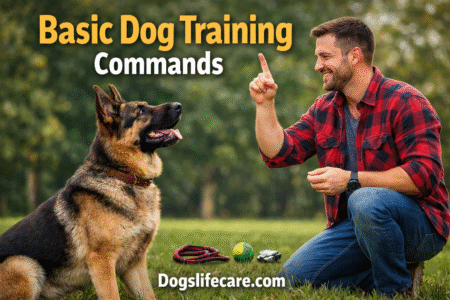
Bringing a dog into your life is one of the most rewarding decisions you’ll ever make. I’ve shared my home with dogs for many years, and if there’s one thing experience has taught me, it’s this:
A well-trained dog is a happy dog — and a happier owner too.
When people ask me how to train a dog, I always tell them to start with the basics. Teaching your dog basic commands builds trust, improves behavior, and creates clear communication between you and your furry companion.
In this guide, I’ll walk you through the most important basic dog training commands, explain how to teach them step by step, and share practical tips I’ve learned from years of hands-on experience.
Whether you’ve just brought home a puppy or adopted an adult dog, this article will help you build a strong training foundation.
Why Basic Dog Training Commands Matter
Before we jump into the commands themselves, let’s talk about why training matters.
Basic obedience training:
- Keeps your dog safe in everyday situations
- Prevents behavioral problems before they start
- Strengthens your bond with your dog
- Makes daily life calmer and more enjoyable
- Helps your dog feel confident and secure
Dogs thrive on structure. When they understand what you expect, they relax and that’s when their best behavior shines through.
Before You Start Training: My Personal Advice
From experience, I can tell you that successful dog training doesn’t depend on fancy tools or complicated techniques. It comes down to consistency, patience, and timing.
Here’s what I recommend before you begin:
Keep Training Sessions Short
Dogs learn best in short bursts. Aim for 5–10 minute sessions, two or three times a day.
Use Positive Reinforcement
Always reward good behavior with treats, praise, or playtime. Never punish mistakes — it only creates fear and confusion.
Choose a Quiet Training Area
Start somewhere with minimal distractions. Once your dog learns the commands, you can practice in busier places.
Be Consistent with Words and Signals
Use the same command words every time. For example, don’t switch between “come here” and “come.”
The Essential Basic Dog Training Commands
Let’s move on to the core commands every dog should learn.
1. Sit
This is usually the first command I teach, and for good reason it’s simple and incredibly useful.
How to teach “Sit”:
- Hold a treat close to your dog’s nose
- Slowly move it upward over their head
- As their head follows the treat, their bottom will naturally touch the floor
- Say “Sit” the moment they sit
- Reward immediately
Practice this several times a day. Once your dog understands, start using the command without the treat in your hand.
2. Stay
“Stay” teaches impulse control and patience — two skills every dog needs.
How to teach “Stay”:
- Ask your dog to sit
- Hold your palm out and say “Stay”
- Take one small step back
- If your dog stays put, return and reward
- Gradually increase distance and duration
If your dog breaks the stay, calmly reset and try again. Progress slowly.
3. Come
This command can literally save your dog’s life.
How to teach “Come”:
- Start indoors or in a fenced area
- Get down to your dog’s level
- Say “Come” in a happy, excited voice
- Reward generously when they reach you
Never call your dog to punish them. “Come” should always mean something positive.
4. Down
“Down” encourages calm behavior and is great for dogs that get overly excited.
How to teach “Down”:
- Start with your dog in a sitting position
- Hold a treat near their nose
- Slowly move it toward the floor
- As they follow, their body will lower
- Say “Down” and reward
Some dogs take longer to master this patience is key.
5. Leave It
This command prevents your dog from grabbing unsafe or unwanted items.
How to teach “Leave It”:
- Hold a treat in your closed hand
- Let your dog sniff and paw
- When they stop trying, say “Leave it”
- Reward with a different treat from your other hand
With practice, your dog will learn that ignoring temptation brings better rewards.
6. Heel
“Heel” teaches your dog to walk politely beside you.
Start on a leash:
- Hold treats near your side
- Encourage your dog to walk next to you
- Reward when they stay close
- Stop walking if they pull
Consistent practice turns chaotic walks into enjoyable bonding time.
Common Dog Training Problems (And How I Handle Them)
Over the years, I’ve seen the same issues pop up again and again.
My Dog Gets Distracted Easily
Go back to basics. Train in a quiet space and slowly introduce distractions.
My Dog Won’t Listen Outside
Outdoor environments are exciting. Use higher-value treats and practice recall often.
My Dog Is Stubborn
Dogs aren’t stubborn they’re confused or unmotivated. Keep sessions positive and rewarding.
How Long Does It Take to Train a Dog?
Every dog is different. Puppies usually learn faster, but adult dogs can be trained just as effectively.
In my experience:
- Basic commands: 2–4 weeks of consistent practice
- Reliable obedience: several months
Remember training never truly ends. Reinforcement throughout your dog’s life keeps skills sharp.
Final Thoughts from an Experienced Dog Owner
Training your dog isn’t about perfection. It’s about communication, patience, and building a lifelong relationship based on trust.
Some days will feel effortless. Other days will test your patience. Stick with it.
I’ve watched shy rescue dogs grow confident and energetic puppies become calm companions all through consistent basic training.
If you’re a new dog owner, take it one command at a time. Celebrate small wins. And most importantly, enjoy the journey.


















Leave a Reply