

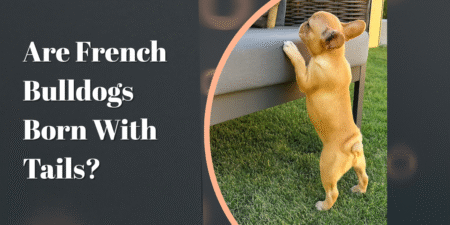
Yes, French Bulldogs are born with tails, but they are very short. Most pups have a tiny nub that sits close to the body. Some look straight, others have a slight corkscrew. This is natural for the breed, not the result of docking. Below, you’ll learn what normal tails look like, simple care tips, and when to call your vet if something seems off.
Key takeaways:
French Bulldogs are born with tails — they’re just naturally very short.
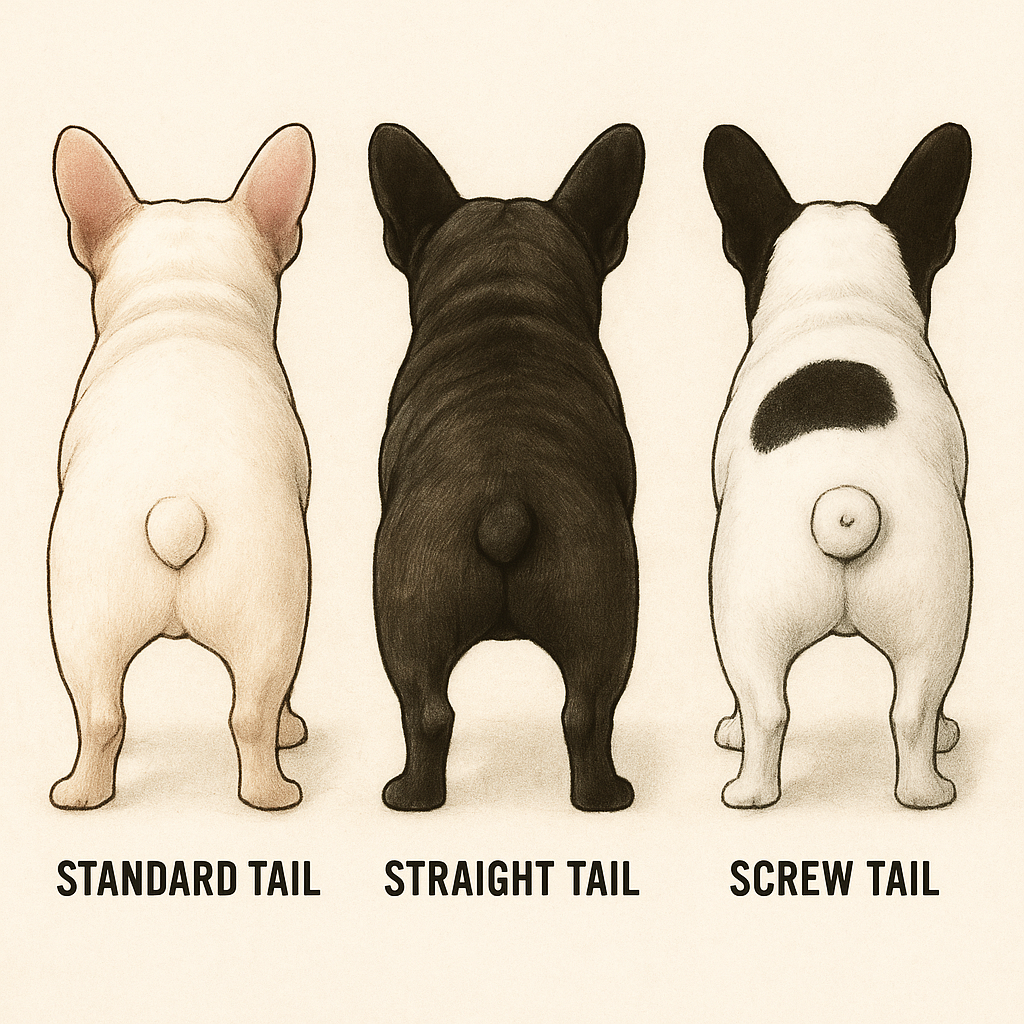
Most Frenchies have either a tiny straight nub or a slight corkscrew-shaped tail.
Their short tail is the result of breed genetics, not tail docking.
Limited wagging is completely normal for this breed due to fewer tail bones.
Some Frenchies have a “tail pocket,” a skin fold under the tail that needs routine cleaning.
Keeping the tail area clean and dry helps prevent infections and irritation.
Bad odor, redness, discharge, or pain around the tail are signs your dog needs a vet.
Tight corkscrew tails may increase the chance of skin problems in the tail area.
When choosing a puppy, look for breeders who prioritize comfort and healthy tail structure over extreme shapes.
A simple, consistent cleaning routine keeps your Frenchie comfortable and avoids long-term health issues.
Are French Bulldogs born with tails? Yes, they are short by nature
Frenchies come into the world with a natural nub, not a docked tail. Breed genetics produce a short, thick base with fewer tail bones than many other dogs, often about 6 to 13 caudal vertebrae. By comparison, many breeds carry 18 to 23. You may see two main looks: a straight nub or a gentle screw tail. Wagging is limited, and that’s normal. A long tail is rare in this breed and usually reflects outlier genetics. For background on common tail shapes and history, see this overview of French Bulldog tail types and health concerns.
Natural short tail vs tail docking
The Frenchie’s tail is naturally short. Cosmetic docking is not the reason most Frenchies have nubs. Non-medical docking is uncommon and discouraged in many places, and some countries restrict it. Focus on what nature gave your pup, and keep that area clean and comfortable.
Normal tail types and what to expect
Two typical types appear: a straight nub or a screw, sometimes called a corkscrew. Limited motion is standard. What is not normal: open sores, a strong odor, constant licking, or signs of pain. If you see any of these, schedule a vet visit to prevent infection or worsening irritation.
French Bulldog tail care and hygiene made simple
A quick, steady routine prevents skin problems where the tail meets the body. Many Frenchies have a “tail pocket,” a small fold under the nub that can trap moisture, yeast, and debris. Clean the area gently, then dry it well. Aim to check weekly for redness, swelling, odor, or discharge. After baths or swims, dry under the tail to avoid dampness. If your dog has a tighter tail fold, increase cleaning frequency. For a simple background on how breeding shaped tail length, this short history explains why many Frenchies have stumpy tails over time (French Bulldog history introduction).
Easy tail pocket cleaning routine
- Lift the nub gently and inspect the folds.
- Use a pet-safe, unscented wipe to clean the pocket and surrounding skin.
- Pat fully dry with soft gauze or tissue.
- If your vet advised one, apply a thin layer of a barrier product.
- Avoid alcohol, peroxide, and strong fragrances.
- Frequency: daily for tight folds, otherwise a few times per week.
Warning signs that need a vet
- Redness, swelling, bad smell, or discharge
- Raw skin, sores, or constant scooting
- Yelping when touched around the tail
- Hind leg weakness or wobbliness
Severe corkscrew tails can trap skin and cause chronic infections. Rarely, spinal issues like hemivertebrae may appear, so do not wait on care if you see pain or mobility changes.
Genetics, history, and choosing healthy breeding
French Bulldogs come from Bulldog lines bred for compact bodies and naturally short tails. Fewer tail bones create the small nub Frenchies are known for. While this tail type is normal, very tight screw tails can sometimes cause irritation or tail-pocket issues. If you’re getting a puppy, choose breeders who focus on comfort and health rather than extreme features, and always ask for health checks and vet history.
For a fuller picture of the breed, you can also read our guide on French Bulldog temperament and behavior here:
Why the tail is short
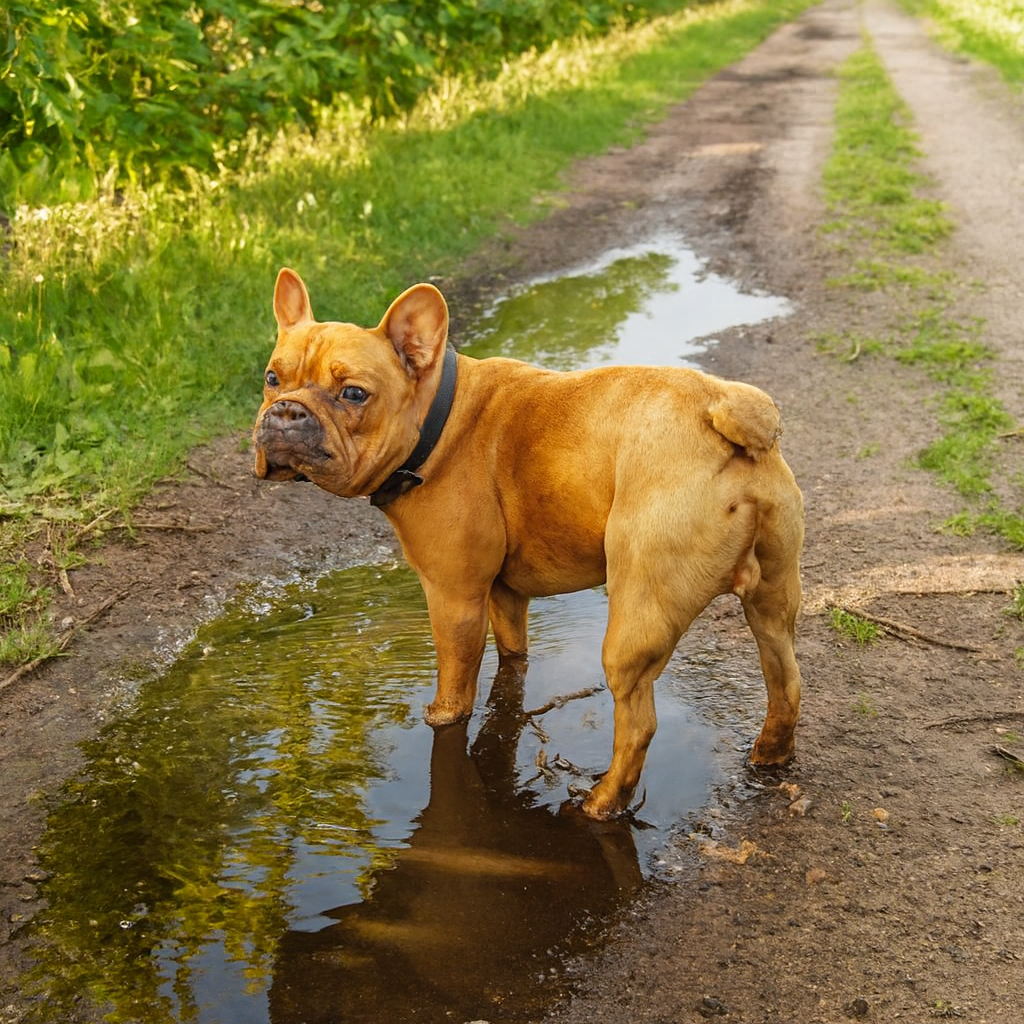
Selective breeding fixed a short tail with fewer tail bones, often 6 to 13. Tails are thick at the base, very short in length, and sit low on the rump. This is standard for most Frenchies.
Smart questions for a breeder
Ask about the parents’ tail type, any tail pocket infections, and back problems, including hemivertebrae. Request vet records and screening results. Choose function and comfort over a very tight corkscrew look, which can be harder to keep clean and comfortable.
Conclusion
French Bulldogs are born with short, natural tails. Keep the area clean and dry, check it often, and see your vet if you notice odor, pain, sores, or discharge. Choose breeders who put health first and avoid extreme tail shapes. Got a Frenchie at home? Start a simple tail routine this week and make it part of your regular care.
FAQs:
1. Are French Bulldogs born with tails?
Yes. French Bulldogs are born with naturally short tails — usually a tiny straight nub or a soft corkscrew shape.
2. Why are French Bulldog tails so short?
Their tail length is the result of selective breeding and genetics. Frenchies have fewer tail bones than many other breeds, which creates a naturally short nub.
3. Are French Bulldog tails docked?
No. Most Frenchies are not docked. Their short tail is natural, not cut or altered.
4. Can French Bulldogs wag their tails?
Yes, but movement is limited. You may see small wiggling or a subtle shake — and that’s perfectly normal.
5. What is a French Bulldog tail pocket?
A tail pocket is a small fold of skin under the tail. Some Frenchies have it, and it can trap dirt and moisture if not cleaned regularly.
6. Do all French Bulldogs have tail pockets?
No. Many do, but not all. Some Frenchies have no fold at all, while others have a deep pocket that needs regular care.
7. How often should I clean the tail pocket?
Depends on your dog. Some need daily cleaning, others only weekly. Always keep the area clean and dry.
8. What should I use to clean a Frenchie’s tail pocket?
Use a gentle, pet-safe wipe or mild cleanser recommended by your vet. Avoid harsh chemicals like alcohol or peroxide.
9. How do I know if my Frenchie has a tail infection?
Watch for redness, swelling, bad odor, discharge, or your dog licking or scooting a lot. If you see these signs, contact your vet.
10. Do French Bulldogs ever have long tails?
It’s rare, but possible due to genetic variation. A few Frenchies may have slightly longer tails than usual, but it’s not common.
11. Are screw tails dangerous?
Not always, but very tight corkscrew tails can trap skin and lead to irritation or infection. Regular cleaning helps prevent issues.
12. Can tail problems affect a Frenchie’s spine?
In rare cases, abnormal tail development can link to spinal issues like hemivertebrae. If you see pain or mobility issues, visit your vet.
13. Do French Bulldogs need tail surgery?
Only if they have severe infections or painful tail folds that don’t respond to normal care. Surgery is a last resort and uncommon.
14. Are French Bulldog tails sensitive?
Yes. The area can be delicate, so clean gently and watch for discomfort when touching around the tail.
15. What should I ask breeders about French Bulldog tails?
Ask about tail shape, tail-pocket history, spinal health, and vet screening. Choose breeders who prioritize comfort and healthy structure over extreme tail shapes.
















Leave a Reply