


“Are French Bulldogs aggressive?” is a common question among prospective and current French Bulldog owners. While Frenchies are often seen as gentle companions, understanding their potential for aggressive behaviour is crucial. This article explores the factors influencing French Bulldog aggression, aiming to clarify whether these dogs are inherently aggressive and how to manage and prevent any undesirable behavioural traits.
This exploration offers several key benefits. It helps potential French Bulldog owners make informed decisions, assists current French Bulldog owners in understanding and addressing behavioural issues, and promotes responsible pet ownership by providing insights into managing and preventing aggression. By understanding the signs, causes, and management strategies, owners can ensure a harmonious relationship with their Frenchie.
This article covers several critical areas. It begins by defining the typical temperament of French Bulldogs, highlighting their gentle and loving nature. Then it outlines nine signs that may indicate aggressive behaviour in French Bulldogs.
It also addresses common misconceptions about French Bulldog aggression and explores various contributing factors, like lack of socialisation, fear, and medical issues. Further, the article discusses whether French Bulldogs are aggressive with cats or humans, explains rage syndrome, and offers practical advice on preventing and managing aggression through socialisation, training, and medical care.
Finally, it touches on other important considerations for French Bulldog owners, including introducing new babies to the family dog, and shares a success story of behaviour modification.
- Understanding French Bulldogs
- The French Bulldog Temperament: A Gentle and Loving Breed
- Signs of Aggression in French Bulldogs
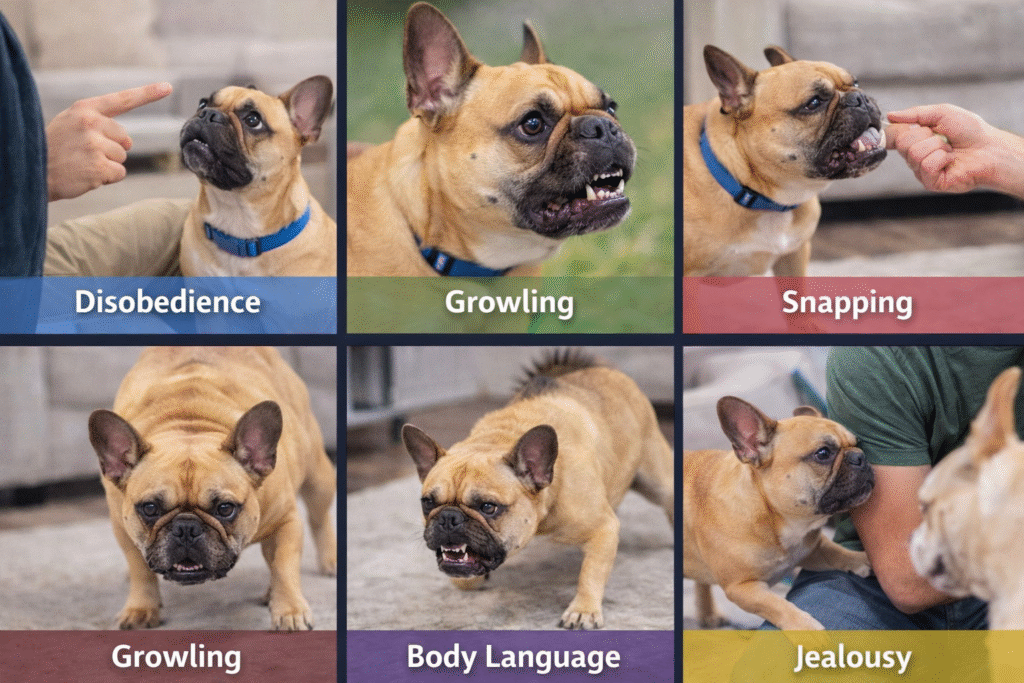
- Disobedience: A Stubborn Streak
- Growling: Vocalizing Discomfort or Fear
- Snapping: A Warning Sign
- Body Language: Unveiling Emotional State
- Jealousy: Protectiveness Over Resources
- Strong Demand for Attention and Affection: Balancing Boundaries
- Excessive Barking: Fear and Anxiety
- Desire for Dominance: Establishing Hierarchy
- Fear or Anxiety: Unraveling the Root Causes
- 9 Signs That Your French Bulldog May Be Aggressive
- Common Misconceptions About French Bulldogs and Aggression
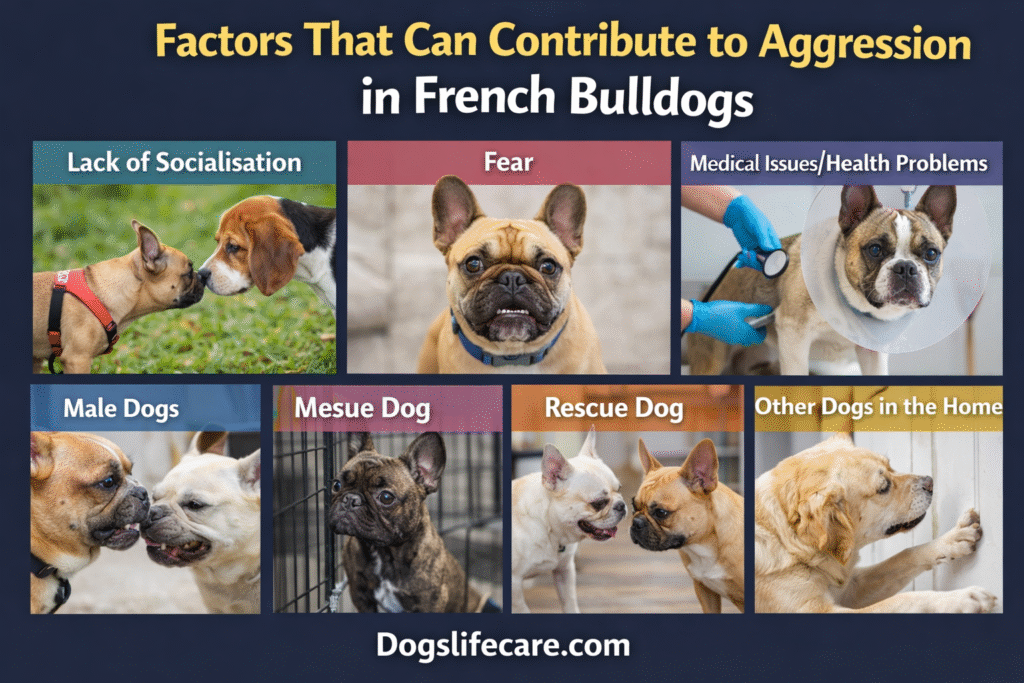
- Factors That Can Contribute to Aggression in French Bulldogs
- Lack of Socialisation
- Fear
- Medical Issues/Health Problems
- Male Dogs & Female Dogs
- Rescue Dog
- Other Dogs in the Home
- Separation Anxiety
- Are French Bulldogs Aggressive with Cats?
- Are French Bulldogs Aggressive to Humans?
- What is Rage Syndrome in French Bulldogs?
- How to Prevent and Manage Aggression in French Bulldogs to Humans, Cats and Other Dogs
- Socialisation
- Training
- Positive Reinforcement Training
- Medical Care
- Environmental Enrichment: Keeping Your Frenchie Happy
- Veterinary Support: Addressing Health Concerns
- Professional Guidance: Seeking Expert Advice
- Training and Socialisation for French Bulldogs
- Other Considerations When Owning a French Bulldog
- Introducing Your New Baby to the Family Dog
- FAQs:
- 1. Are French Bulldogs naturally aggressive?
- 2. Why do people think French Bulldogs are aggressive?
- 3. Do French Bulldogs bite a lot?
- 4. Are French Bulldogs safe with kids?
- 5. Do French Bulldogs get aggressive with other dogs?
- 6. Can French Bulldogs become territorial?
- 7. Why is my French Bulldog growling?
- 8. What are early warning signs of aggression in Frenchies?
- 9. Can medical issues make French Bulldogs act aggressive?
- 10. How can I stop aggressive behavior in my Frenchie?
- 11. When should I see a vet or trainer?
- 12. Are male French Bulldogs more aggressive than females?
- 13. How do I socialize a French Bulldog safely?
- 14. What should I do if my Frenchie snaps at someone?
- 15. Can French Bulldogs be trained not to guard food or toys?
- Conclusion
Understanding French Bulldogs
French Bulldogs, often called Frenchies, are a small dog breed originating in France in the 1800s. They are known for their distinctive “bat ears” and affectionate personalities. French Bulldog owners should understand their breed’s unique temperament and behavioural traits. While generally low-maintenance, understanding their background helps manage expectations and address potential issues.
The French Bulldog Temperament: A Gentle and Loving Breed
The French Bulldog temperament is typically gentle and loving. Frenchies thrive on human companionship and are known for their friendly and sociable nature. This makes them excellent family pets. The American Kennel Club (AKC) also notes their playful and adaptable nature.
Signs of Aggression in French Bulldogs
While French Bulldogs are generally not aggressive, it’s important to recognise potential signs of aggressive behaviour. Early detection allows for timely intervention and training.
Disobedience: A Stubborn Streak
Disobedience in French Bulldogs can be attributed to their stubborn streak. While not inherently aggressive, persistent resistance to training can be a precursor to more serious behavioural issues. Addressing disobedience early is crucial to prevent escalation.
Growling: Vocalizing Discomfort or Fear
Growling is a key communication tool for dogs, often indicating discomfort or fear. If a French Bulldog is growling, it’s important to identify the trigger. It might be directed at people, other animals, or even objects.
Snapping: A Warning Sign
Snapping is a more serious warning sign than growling. It suggests the French Bulldog feels threatened or agitated and is prepared to defend itself. Addressing this behaviour promptly is vital to prevent biting.
Body Language: Unveiling Emotional State
A French Bulldog’s body language provides valuable clues to their emotional state. Signs such as stiff posture, raised hackles, bared teeth, and intense staring can indicate aggression. Defensive body language needs to be recognized to diffuse potential conflicts.
Jealousy: Protectiveness Over Resources
French Bulldogs can display jealousy, especially when it comes to attention from their owners. This protectiveness over resources can lead to aggressive behaviours towards other pets or people vying for attention.
Strong Demand for Attention and Affection: Balancing Boundaries
While Frenchies crave attention, a strong demand for it can sometimes manifest as aggression. Nipping or barking to get attention are examples of how this demand can become problematic. Balancing affection with clear boundaries is essential.
Excessive Barking: Fear and Anxiety
Excessive barking in French Bulldogs can signal underlying fear or anxiety. This can be triggered by separation anxiety, unfamiliar people, or loud noises. Excessive barking can be an environmental trigger that leads to aggressive behaviour.
Desire for Dominance: Establishing Hierarchy
Some French Bulldogs, especially males, may exhibit a desire for dominance. This can lead to aggressive behaviour if not properly managed through training and socialisation. Establishing a clear hierarchy is important for preventing dominance-related aggression.
Fear or Anxiety: Unraveling the Root Causes
Fear and anxiety are significant root causes of aggression in French Bulldogs. Addressing these underlying issues through appropriate training and environmental enrichment can help mitigate aggressive tendencies.
9 Signs That Your French Bulldog May Be Aggressive
- Growling or snarling
- Biting or nipping
- Lunging
- Raised hackles
- Stiff body language
- Showing teeth
- Overprotectiveness
- Fearfulness
- Excessive barking
Common Misconceptions About French Bulldogs and Aggression
A common misconception is that French Bulldogs are inherently aggressive. This is untrue; while they can display aggression, it is not a breed-specific trait. Another myth is that they are prone to biting. In reality, Frenchies are generally considered good family dogs due to their gentle nature.
Factors That Can Contribute to Aggression in French Bulldogs
Several factors can contribute to aggressive behaviour in French Bulldogs. Understanding these factors is key to preventing and managing aggression.
Lack of Socialisation
Lack of socialisation is a major contributing factor. Early socialisation impacts a dog’s ability to interact positively with others. Exposing French Bulldogs to various people, animals, and environments from a young age is essential for developing good social skills.
Fear
Fear is another significant trigger for aggression. Dogs that are afraid may exhibit aggressive behaviour as self-defence. Ensuring a French Bulldog feels safe and secure is crucial to preventing fear-based aggression.
Medical Issues/Health Problems
Underlying medical conditions can also contribute to aggression. Allergies, infections, and neurological issues can influence a French Bulldog’s behaviour. Addressing these health concerns with a veterinarian is crucial. Thyroid problems and neurological disorders, for example, can sometimes contribute to aggression.
Male Dogs & Female Dogs
Male dogs that haven’t been neutered may exhibit more aggressive behaviours compared to female dogs or neutered males. However, training and clear boundaries can help manage and prevent aggression in both male dogs and female dogs.
Rescue Dog
Rescue dogs may have a history of trauma or negative experiences that contribute to aggression. These dogs often require patience and specialised training to overcome past issues. Working with an animal behaviourist or dog trainer can be beneficial.
Other Dogs in the Home
Introducing a new French Bulldog to a home with existing dogs can sometimes lead to aggression. Gradual introductions and ensuring each dog has its own space can help minimise conflict.
Separation Anxiety
Separation anxiety is a common issue in French Bulldogs. This anxiety can manifest as destructive behaviours and aggression when the dog is left alone. Addressing separation anxiety through training and environmental enrichment can help.
Are French Bulldogs Aggressive with Cats?

Whether French Bulldogs are aggressive with cats depends on the individual dog. Some Frenchies may be more tolerant than others. Proper socialisation and training are essential for peaceful coexistence. Introduce them slowly and supervise their interactions.
Are French Bulldogs Aggressive to Humans?
Similarly, aggression towards humans depends on the individual dog. Frenchies are generally friendly but can become aggressive under certain circumstances. Socialisation and teaching appropriate behaviour are crucial. Never leave a French Bulldog unsupervised with children.
What is Rage Syndrome in French Bulldogs?
Rage syndrome is a rare neurological disorder that can cause sudden and unprovoked episodes of aggression in French Bulldogs. The exact cause is unknown but believed to be genetic. Symptoms include sudden aggression, growling, biting, and attacking. Professional veterinary help is essential for diagnosis and management.
How to Prevent and Manage Aggression in French Bulldogs to Humans, Cats and Other Dogs
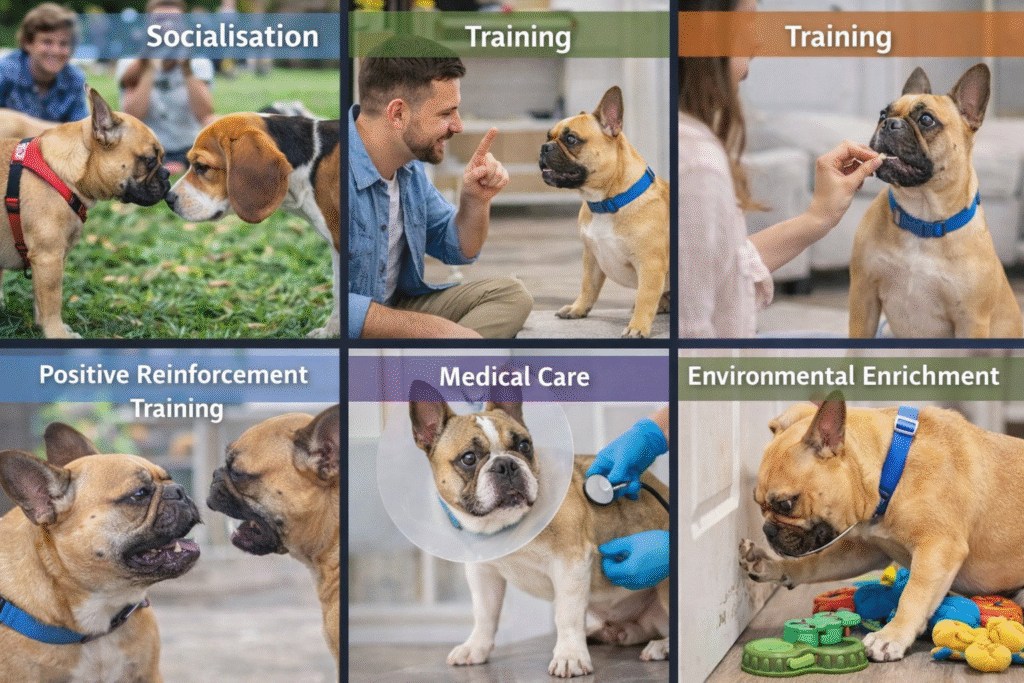
Preventing and managing aggression in French Bulldogs requires a multi-faceted approach.
Socialisation
Early and ongoing socialisation is key. Expose your French Bulldog to a variety of people, animals, and environments from a young age.
Training
Basic obedience training helps French Bulldogs learn appropriate behaviour. Training sessions provide a structured approach to building a better relationship.
Positive Reinforcement Training
Reward good behaviour with treats and praise. Positive reinforcement training helps Frenchies learn what is expected of them and reinforces positive behaviour.
Medical Care
Regular veterinary care is essential to address any underlying medical issues that could contribute to aggression. Allergies, infections, and neurological issues should be ruled out.
Environmental Enrichment: Keeping Your Frenchie Happy
Providing a stimulating environment is crucial. Interactive toys, puzzle feeders, and regular exercise can help prevent boredom and anxiety.
Veterinary Support: Addressing Health Concerns
Consulting with a veterinarian can help identify and manage medical conditions that contribute to aggression.
Professional Guidance: Seeking Expert Advice
Seeking guidance from a certified dog behaviourist or trainer can be invaluable if you are struggling to manage your Frenchie’s aggressive behaviour.
Training and Socialisation for French Bulldogs
Training and socialisation are essential for any dog, especially those prone to aggression. Obedience training helps Frenchies learn appropriate behaviour, while socialisation helps them feel comfortable in various situations. Enrolling in obedience classes or working with a professional trainer can be beneficial.
Other Considerations When Owning a French Bulldog
Potential owners should be aware of certain health issues common in French Bulldogs, such as respiratory problems and skin allergies. Factor in the costs of veterinary care, food, and other supplies.
Introducing Your New Baby to the Family Dog
Introducing a new baby to a French Bulldog requires careful planning and supervision. Gradual introductions and positive reinforcement can help ensure a smooth transition.
FAQs:
1. Are French Bulldogs naturally aggressive?
No. French Bulldogs are generally friendly, social companion dogs. Most aggression cases come from fear, pain, or lack of proper training not genetics.
2. Why do people think French Bulldogs are aggressive?
Frenchies can be stubborn, vocal, or protective of their owners, which some people mistake for aggression. Rough puppy play is also often misunderstood.
3. Do French Bulldogs bite a lot?
Frenchies rarely bite without reason. Biting usually happens due to fear, resource guarding, or discomfort. Proper training and early socialization help prevent it.
4. Are French Bulldogs safe with kids?
Yes when kids are taught gentle handling. Always supervise young children to avoid accidental roughness that could trigger defensive behavior.
5. Do French Bulldogs get aggressive with other dogs?
Some Frenchies may show dominance or jealousy, especially if poorly socialized. Gradual introductions and positive experiences with other dogs prevent issues.
6. Can French Bulldogs become territorial?
They can bark at the door or guard their favorite spot, but extreme territorial behavior is uncommon. Gentle training keeps things in balance.
7. Why is my French Bulldog growling?
Growling is a communication signal not always aggression. It can mean fear, stress, pain, or discomfort. Never punish growling; look for the cause instead.
8. What are early warning signs of aggression in Frenchies?
Stiff posture, intense staring, lip lifting, tucked tail, and low growls are early signals. Step back and give space to avoid escalation.
9. Can medical issues make French Bulldogs act aggressive?
Yes. Pain from skin problems, ear infections, breathing strain, or spine issues can lower tolerance and trigger snapping.
10. How can I stop aggressive behavior in my Frenchie?
Use positive training, calm socialization, structure, and clear rules. Avoid yelling or harsh punishment it increases fear.
11. When should I see a vet or trainer?
If snapping, growling, or guarding gets frequent or intense, or if your dog suddenly changes behavior, contact a vet first, then a certified behaviorist.
12. Are male French Bulldogs more aggressive than females?
Not necessarily. Behavior depends more on training, health, and socialization than gender.
13. How do I socialize a French Bulldog safely?
Expose your Frenchie slowly to new people, dogs, and places. Use treats, calm praise, and short sessions no forcing interactions.
14. What should I do if my Frenchie snaps at someone?
Stay calm, create distance, check for stress/pain triggers, and avoid punishment. Note the situation and contact a trainer if it repeats.
15. Can French Bulldogs be trained not to guard food or toys?
Yes. Use “trade-up” games, separate feeding spaces, and reward calm sharing behavior. Never take items by force it builds fear.
Conclusion
French Bulldogs are not aggressive by nature, but any dog can react if scared, in pain, or poorly socialized. Watch for early body-language cues, use positive training, and manage the environment. Seek help early if problems persist. With steady guidance and care, your Frenchie can be a calm, social, and safe companion.
















Leave a Reply