

7-Day Dog Training Plan for Busy Pet Parents (Sit, Stay, Come & Walk Nicely)

7-Day Dog Training Plan for Busy Pet Parents (Sit, Stay, Come & Walk Nicely)

Your schedule is packed, but your dog still needs structure and skills. That tension can feel exhausting.

This 7-day dog training plan for busy pet parents uses tiny pockets of time, about 5–10 minutes, plus everyday moments you already have.

Across one week, your dog will start learning sit, stay, come when called, and basic leash manners. You will use simple rewards, clear cues, and short sessions that fit around a full-time job, kids, and real life.

Key Takeaways:

  1. Even with a busy schedule, short 5–10 minute sessions can teach your dog real skills in just one week.
  2. Training works best when you blend it into everyday moments like meals, walks, and door greetings.
  3. Focusing on one simple skill each day keeps sessions manageable and prevents overwhelm for both you and your dog.
  4. A reliable sit is the foundation for calm behavior and can be taught quickly with simple lure-and-reward steps.
  5. Building a short stay early in the week helps create safer routines around doors, guests, and daily transitions.
  6. Teaching “come” in a happy, rewarding way strengthens recall and helps your dog return to you even during distractions.
  7. Loose-leash walking starts at home—pausing when your dog pulls and rewarding when the leash slackens builds polite habits fast.
  8. Days 5–7 help your dog generalize skills through short reviews, mild distractions, and real-life practice.
  9. Consistency beats long sessions—frequent mini-practices create better results and keep training stress-free.
  10. Repeating this 7-day plan helps your dog improve week after week, making everyday life smoother and more enjoyable.

How to Use This 7-Day Dog Training Plan With a Busy Schedule

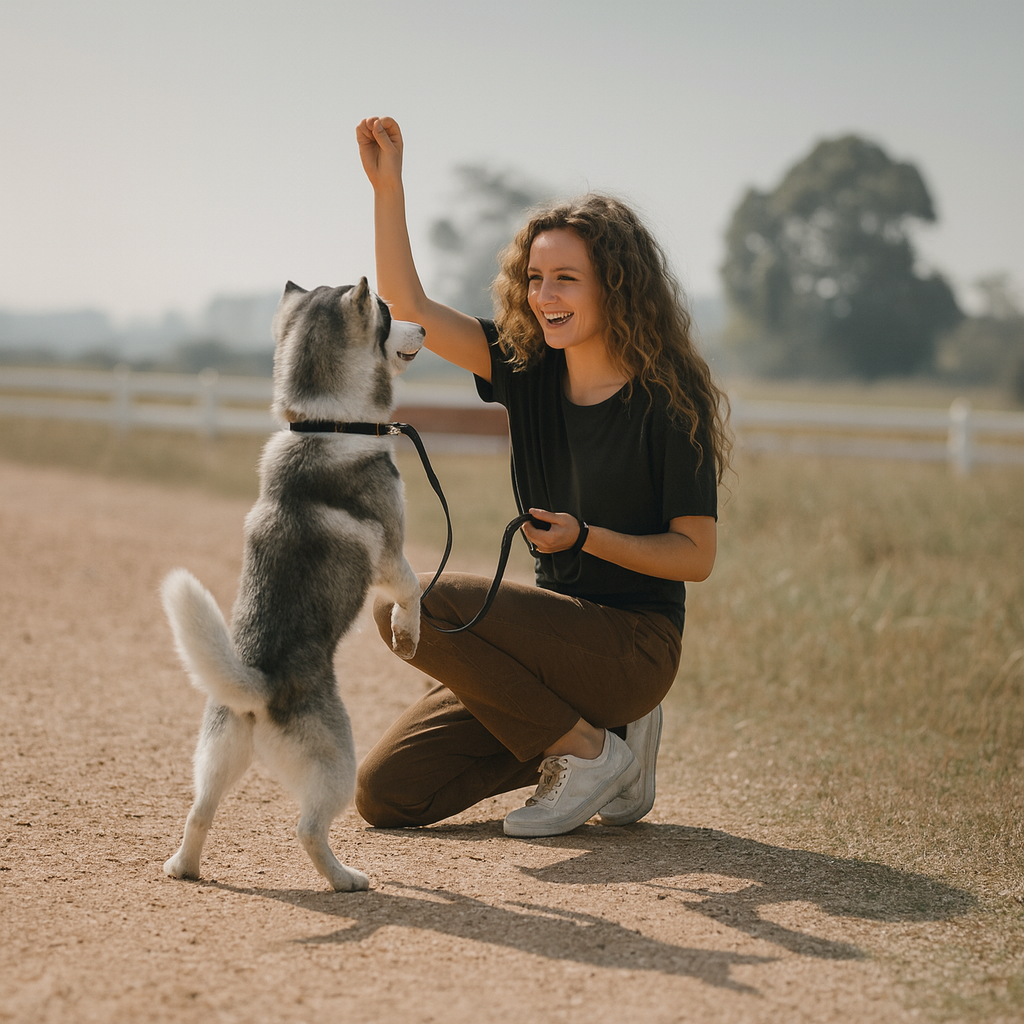
This plan focuses on one main skill each day, plus quick reviews of what your dog already knows. Think of it like brushing your teeth: short, regular, automatic.

Good times to train include a few minutes before work, right after dinner, or during a bathroom break outside. You can also add mini-practice when you clip the leash, serve meals, or answer the door.

If you want more ideas on structuring your day, this guide to a daily dog training schedule that actually works can help. Remember, consistency beats long sessions every time.
How to Use This 7 Day Dog Training Plan With a Busy Schedule

Your 7-Day Dog Training Schedule (Sit, Stay, Come, and Leash Manners)

Day 1: Teach a Reliable Sit in Just a Few Minutes

Hold a treat at your dog’s nose, then slowly move it up and back. As your dog’s rear hits the floor, say “Sit,” then reward right away.

Do 5–10 short reps in a quiet spot. If your dog stands, reset and try again, no scolding. End the session while your dog is still eager.

Day 2: Build a Simple Stay for Safety at Home

Ask for a sit, show your flat hand like a stop sign, and say “Stay.” Take one tiny step back, then return and reward.

Start with 1–2 second stays, then slowly add time and distance over days. This skill helps with doors, guests, and calm mealtimes.

Day 3: Train Come When Called for Better Recall

In a quiet room, crouch down, say your dog’s name, then “Come” in a happy voice. When your dog reaches you, reward with great treats and praise.

Repeat from short distances. Make coming to you feel like winning the jackpot, which can help you call your dog away from trouble.

Day 4: Start Loose-Leash Walking Without Long Walks

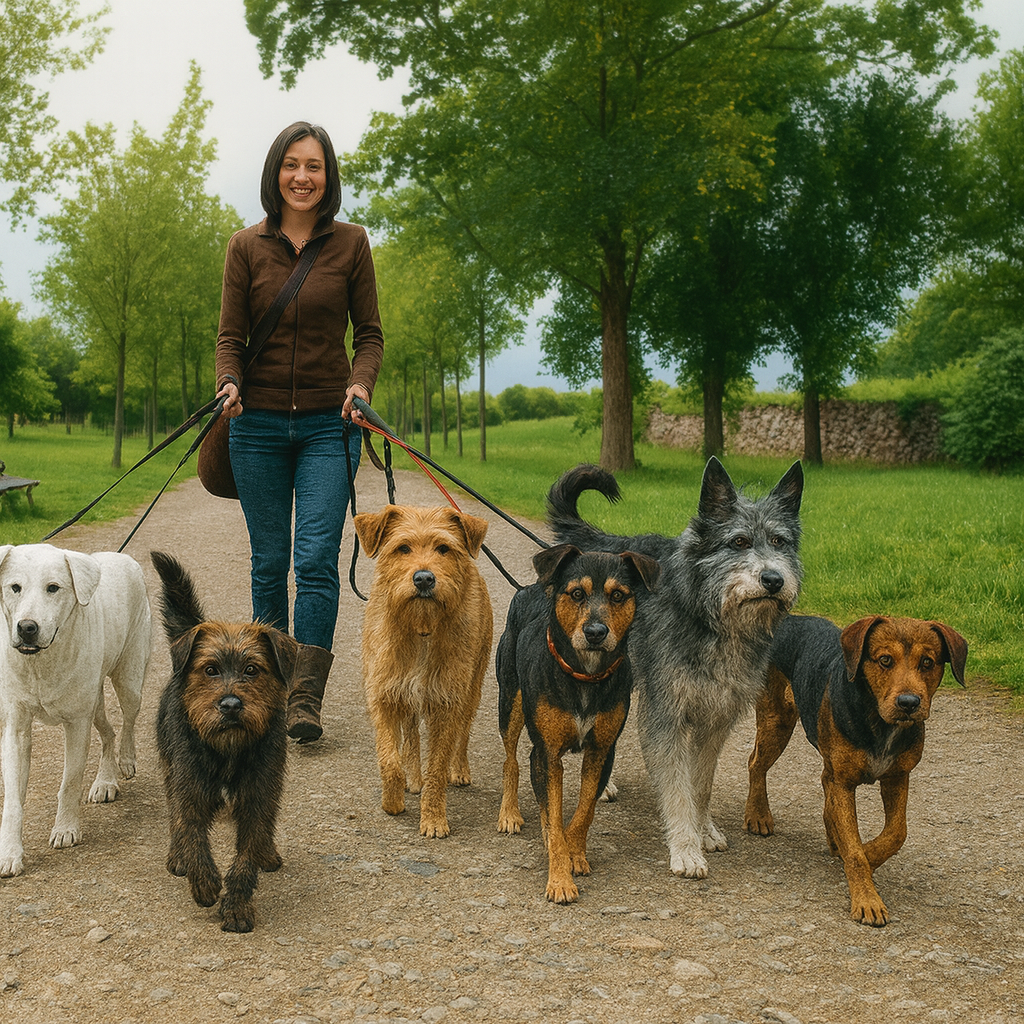
Clip on the leash and start walking. The moment your dog pulls, stop. Wait for the leash to slacken, then move again.

Reward your dog for walking by your side with calm treats and praise. Even a 5-minute loop near home helps build this habit.

Day 5–7: Review, Add Distractions, and Use Skills in Real Life

Day 5, mix sit, stay, and come in one short session so your dog learns to switch tasks.

Day 6, practice in slightly busier spots like the yard, hallway, or a quiet sidewalk. Keep sessions short and upbeat.

Day 7, use all cues in daily life: sit before meals, stay at doors, come inside when called, and walk politely to the mailbox.
Your 7 Day Dog Training Schedule Sit Stay Come and Leash Manners

Quick Tips to Keep Dog Training Easy and Stress-Free

  • Keep sessions short: several 3–5 minute bursts beat one long session.
  • Use the same words and hand signals every time.
  • Pay your dog well with treats, toys, or praise for good choices; this matches the ideas behind positive reinforcement dog training.
  • Stop before your dog gets bored so they want more next time.

Wrapping Up Your 7-Day Dog Training Plan

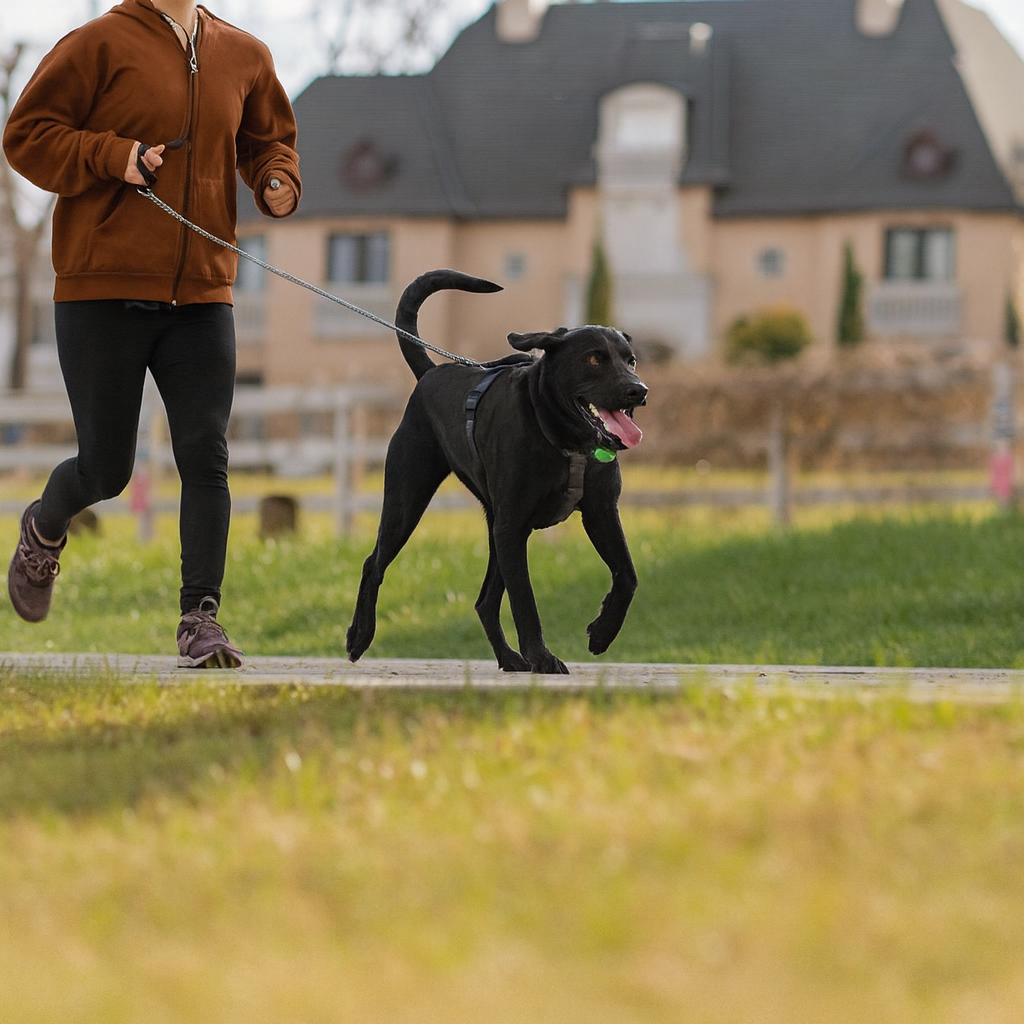
Small daily steps add up fast, even with a crowded calendar. Over a week, you will see small wins, like quicker sits, fewer pulls, and a dog that checks in more often.
Wrapping Up Your 7 Day Dog Training Plan

Repeat or stretch this 7-day dog training plan as needed, and keep using cues in real life. Start with Day 1 today and notice what changes by next week. Your future walks and quiet evenings will thank you.

Conclusion:

Training your dog doesn’t have to take hours or add stress to your day. By using short, consistent sessions and building skills step by step, this 7-day plan helps your dog learn faster while fitting easily into a busy routine. With small daily habits—like practicing sit before meals or stopping when the leash gets tight—you’ll see steady improvements in your dog’s behavior and confidence. Repeat the plan as needed, stay patient, and enjoy the progress. A little time each day can create a more well-mannered, connected, and happy dog.


FAQs:

How much time do I need each day to follow this 7-day training plan?

You only need short sessions of about 5–10 minutes. Small bursts of training spread throughout the day work better than long sessions, especially if you have a busy schedule.

Can I train my dog even if I work full-time?

Yes, this plan is designed for full-time workers. You can train during small pockets of time such as before work, after meals, during bathroom breaks, or while putting on the leash.

What if my dog already knows some of the commands?

You can still use the plan to refresh skills and strengthen good habits. If your dog learns quickly, you can add a bit more difficulty to keep them engaged.

What should I do if my dog loses focus during training?

End the session calmly and try again later. Very short and fun sessions help your dog stay focused and enjoy the training.

How long before I see improvement in my dog’s behavior?

Many dogs show small improvements within a few days, such as sitting faster, checking in more often, or pulling less on the leash.

What treats work best for training?

Soft, bite-sized treats that your dog loves work best. High-value rewards keep your dog motivated, especially when learning recall and leash manners.

Can puppies follow this 7-day training plan?

Yes, puppies can follow this plan, but the sessions should be very short and positive. Puppies learn quickly when training feels like a fun game.

What if my dog pulls too much during leash training?

Stop walking the moment the leash gets tight. When your dog loosens the leash, continue walking. This teaches your dog that pulling doesn’t lead to forward movement.

Should I train in the same place every day?

Start training in a quiet place with few distractions. After a few days, practice in slightly busier areas so your dog learns to follow cues in real-life environments.

Can I repeat the 7-day plan after the first week?

Yes, repeating or extending the plan helps your dog strengthen the commands and develop better behavior over time.


Share post on
dogslifecare
By dogslifecare

Scott Martin has been raising and caring for dogs for many years. Through this blog, he shares his personal experiences and valuable insights with fellow dog lovers, helping them take better care of their beloved pets. From training tips to daily care routines, Scott covers it all based on what he has learned over the years with his own dogs. He also shares the products he personally uses for his dogs, so other pet owners can benefit from tried-and-tested recommendations. This blog is dedicated to making life easier, healthier, and happier for dogs—and the people who love them.

Leave a Reply

Your email address will not be published. Required fields are marked *


Dogs Life Care is reader-supported. When you buy through links on our site, we may earn an affiliate commission.

Best Age to Breed a Male Dog (Vet Guidelines by Size and Health) Dog Training

Best Age to Breed a Male Dog (Vet Guidelines by Size and Health)

A male dog can make puppies surprisingly early, sometimes before he’s done growing. But...

By dogslifecare
Updated
Dogs Life Care: Essential Practices for Health and Longevity Dog Training

Dogs Life Care: Essential Practices for Health and Longevity

You shape your dog’s quality of life every day, from puppyhood through the senior...

By dogslifecare
Updated
Hybrid Dog Breed With Curly Hair: Choosing the Right Curly-Coated Mix Dog Training

Hybrid Dog Breed With Curly Hair: Choosing the Right Curly-Coated Mix

If you’ve been searching for a hybrid dog breed with curly hair, you’re usually...

By dogslifecare
Updated
How Old Does a Dog Have to Be to Breed? (Healthy Age Guidelines) Dog Training

How Old Does a Dog Have to Be to Breed? (Healthy Age Guidelines)

Breeding sounds simple, two dogs, one litter, but timing can make or break the...

By dogslifecare
Updated
Dogs Life Care: Essential Guidelines for Every Stage of Your Pet’s Journey Dog Training

Dogs Life Care: Essential Guidelines for Every Stage of Your Pet’s Journey

Dogs require comprehensive care throughout their entire lives, from puppyhood through their senior years....

By dogslifecare
Updated
Is Your Dog Really Watching TV? What Science Says About Screen Time For Pets Dog Training

Is Your Dog Really Watching TV? What Science Says About Screen Time For Pets

Your dog freezes, ears up, staring at the screen. A squirrel darts across a...

By dogslifecare
Updated
IVDD Back Pain in Dogs: Signs, Treatment, and What Owners Can Do Dog Training

IVDD Back Pain in Dogs: Signs, Treatment, and What Owners Can Do

Back pain in dogs can be easy to miss at first. A slower walk...

By dogslifecare
Updated
How to Use Fish Oil for Dog Health Safely and Effectively Dog Food

How to Use Fish Oil for Dog Health Safely and Effectively

Fish oil is a concentrated source of omega-3 fatty acids, mainly EPA and DHA....

By dogslifecare
Updated

Latest Posts

Best Age to Breed a Male Dog (Vet Guidelines by Size and Health) Dog Training

Best Age to Breed a Male Dog (Vet Guidelines by Size and Health)

A male dog can make puppies surprisingly early, sometimes before he’s done growing. But...

By dogslifecare
Updated
Dogs Life Care: Essential Practices for Health and Longevity Dog Training

Dogs Life Care: Essential Practices for Health and Longevity

You shape your dog’s quality of life every day, from puppyhood through the senior...

By dogslifecare
Updated
Hybrid Dog Breed With Curly Hair: Choosing the Right Curly-Coated Mix Dog Training

Hybrid Dog Breed With Curly Hair: Choosing the Right Curly-Coated Mix

If you’ve been searching for a hybrid dog breed with curly hair, you’re usually...

By dogslifecare
Updated
How Old Does a Dog Have to Be to Breed? (Healthy Age Guidelines) Dog Training

How Old Does a Dog Have to Be to Breed? (Healthy Age Guidelines)

Breeding sounds simple, two dogs, one litter, but timing can make or break the...

By dogslifecare
Updated
Dogs Life Care: Essential Guidelines for Every Stage of Your Pet’s Journey Dog Training

Dogs Life Care: Essential Guidelines for Every Stage of Your Pet’s Journey

Dogs require comprehensive care throughout their entire lives, from puppyhood through their senior years....

By dogslifecare
Updated
Is Your Dog Really Watching TV? What Science Says About Screen Time For Pets Dog Training

Is Your Dog Really Watching TV? What Science Says About Screen Time For Pets

Your dog freezes, ears up, staring at the screen. A squirrel darts across a...

By dogslifecare
Updated
IVDD Back Pain in Dogs: Signs, Treatment, and What Owners Can Do Dog Training

IVDD Back Pain in Dogs: Signs, Treatment, and What Owners Can Do

Back pain in dogs can be easy to miss at first. A slower walk...

By dogslifecare
Updated
Dog’s Care: Essential Guidelines for Keeping Your Canine Healthy and Happy Dog Health

Dog’s Care: Essential Guidelines for Keeping Your Canine Healthy and Happy

Taking care of a dog means meeting their basic needs every day, protecting their...

By dogslifecare
Updated