
As someone who’s shared life with dogs for over 15 years from energetic puppies to calm senior companions I’ve learned that successful dog training isn’t about being strict or dominant. It’s about understanding, consistency, patience, and building trust.
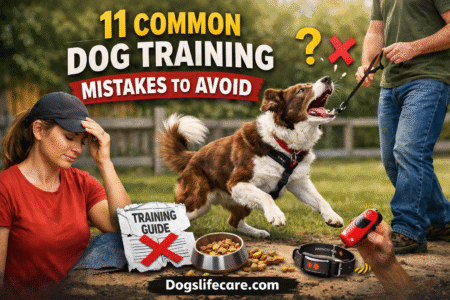
Many dog owners unintentionally slow their dog’s progress by making simple training mistakes. The good news? These mistakes are easy to fix once you recognize them. In this guide, I’ll walk you through the 11 most common dog training mistakes and share practical, real-life advice to help you train your dog more effectively and compassionately.
- 1. Being Inconsistent with Rules and Commands
- 2. Using Punishment Instead of Positive Reinforcement
- 3. Expecting Results Too Quickly
- 4. Training Only When There’s a Problem
- 5. Using Long, Confusing Commands
- 6. Repeating Commands Over and Over
- 7. Skipping Socialization
- 8. Training for Too Long at One Time
- 9. Not Practicing Commands in Different Environments
- 10. Ignoring Your Dog’s Body Language
- 11. Giving Up Too Soon
- How to fix it:
- Final Thoughts: Train with Patience, Not Pressure
1. Being Inconsistent with Rules and Commands
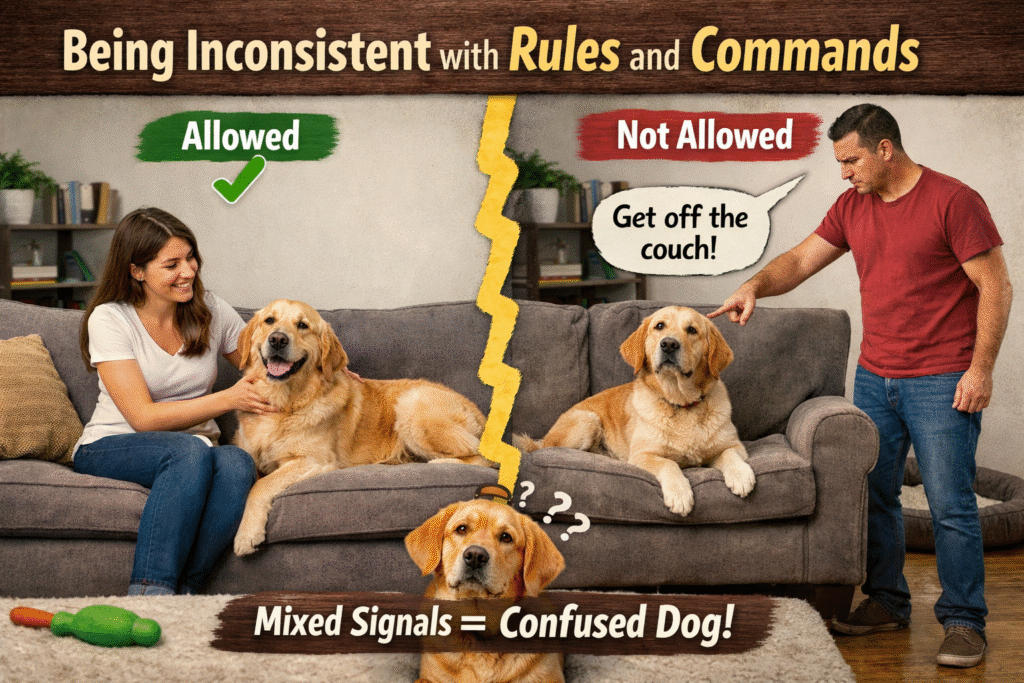
One of the biggest mistakes I see is inconsistency and I’ve made this one myself.
If your dog is allowed on the couch today but scolded for it tomorrow, they’ll feel confused. Dogs thrive on predictable patterns. When rules change, they don’t understand what behavior is expected.
How to fix it:
- Decide on house rules early and stick to them.
- Make sure everyone in the household uses the same commands.
- Be consistent with rewards and corrections.
Consistency builds clarity and clarity builds confidence in your dog.
2. Using Punishment Instead of Positive Reinforcement
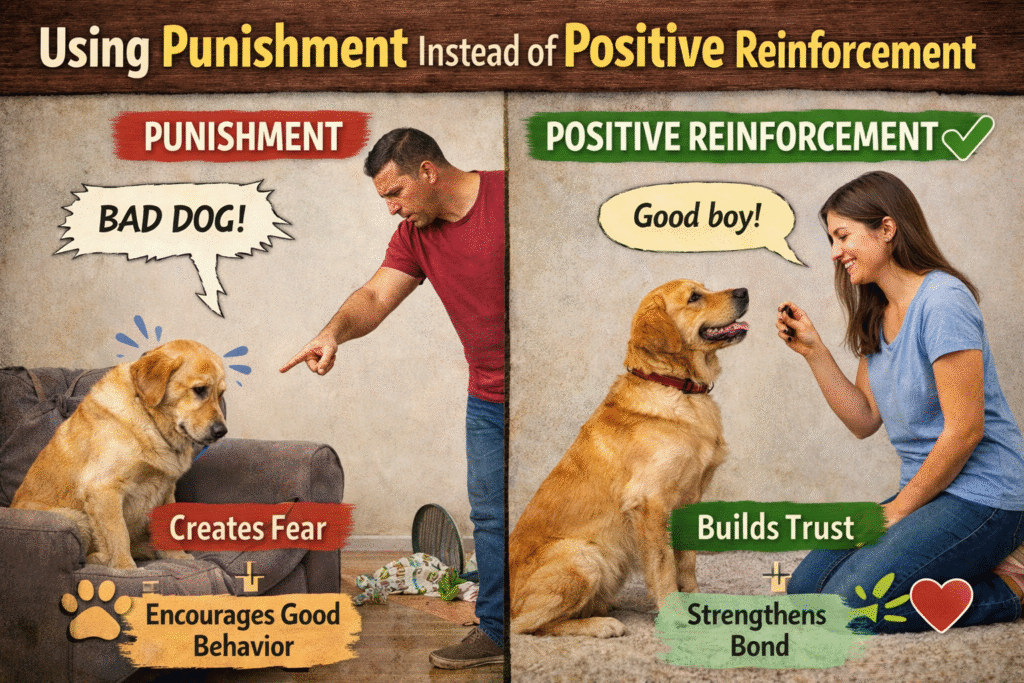
Early in my dog-owning days, I thought raising my voice or correcting harshly would stop bad behavior. What I learned instead is that punishment often creates fear, not understanding.
Dogs learn faster when rewarded for good behavior rather than punished for mistakes.
How to fix it:
- Use treats, praise, toys, or play as rewards.
- Redirect unwanted behavior instead of punishing it.
- Stay calm your energy affects your dog more than you realize.
Positive reinforcement strengthens trust and makes training enjoyable for both of you.
3. Expecting Results Too Quickly
Every dog learns at their own pace. Some pick up commands in days, while others need weeks of practice and that’s completely normal.
Many owners give up too soon, thinking their dog is “stubborn” or “not smart,” when in reality, the dog just needs more time and repetition.

How to fix it:
- Celebrate small progress.
- Keep training sessions short and positive.
- Be patient consistency over time always wins.
Trust me, slow progress still leads to lasting success.
4. Training Only When There’s a Problem
Many owners start training only when their dog develops bad habits like jumping, barking, or pulling on the leash. By then, the behavior is already established.
Training works best when it’s proactive, not reactive.
How to fix it:
- Start basic obedience training early.
- Practice commands daily, even when your dog is behaving well.
- Reinforce good behavior before bad habits form.
Good training is like insurance it prevents problems before they start.
5. Using Long, Confusing Commands
Dogs don’t understand sentences they respond to clear, short cues. Saying “Buddy, can you please sit nicely for me?” is far less effective than simply saying “Sit.”
Short commands are easier for dogs to recognize and remember.
How to fix it:
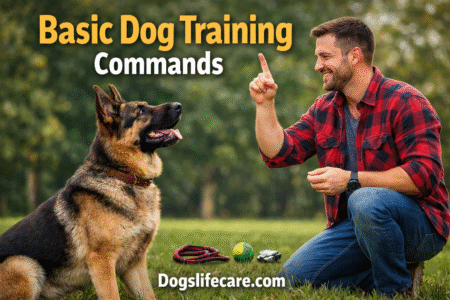
- Use one-word commands like “Sit,” “Stay,” and “Come.”
- Say the command once, clearly.
- Reward immediately when your dog responds correctly.
Simple communication makes learning faster and less stressful.
6. Repeating Commands Over and Over
One habit I had to break early on was repeating commands endlessly: “Sit… Sit… SIT!” This teaches your dog that they don’t need to respond the first time.
Dogs should learn that commands matter the moment they’re spoken.
How to fix it:
- Say the command once.
- Wait calmly for your dog to respond.
- If needed, guide them into position and then reward.
Clear communication leads to quicker obedience.
7. Skipping Socialization
A well-trained dog isn’t just obedient they’re confident in different environments. Dogs who aren’t socialized early may develop fear, aggression, or anxiety around people, animals, or new places.
Socialization is just as important as teaching commands.
How to fix it:
- Introduce your dog to new people, sounds, places, and dogs gradually.
- Keep experiences positive and stress-free.
- Start socialization early, but it’s never too late to begin.
A confident dog is easier to train and happier to live with.
8. Training for Too Long at One Time
Long training sessions can overwhelm dogs especially puppies. I learned quickly that after 10–15 minutes, most dogs lose focus, no matter how motivated they are.
Short, focused sessions work far better than long drills.
How to fix it:
- Keep sessions between 5–15 minutes.
- End on a positive note.
- Train multiple short sessions throughout the day instead of one long one.
Think quality over quantity.
9. Not Practicing Commands in Different Environments
Many dogs obey perfectly at home but suddenly forget everything at the park or on a walk. That’s because dogs don’t automatically generalize commands across environments.
Training needs to happen in multiple locations.
How to fix it:
- Practice commands indoors and outdoors.
- Gradually add distractions.
- Reward success heavily in new environments.
This helps your dog understand that “sit” means “sit” everywhere not just in the living room.
10. Ignoring Your Dog’s Body Language
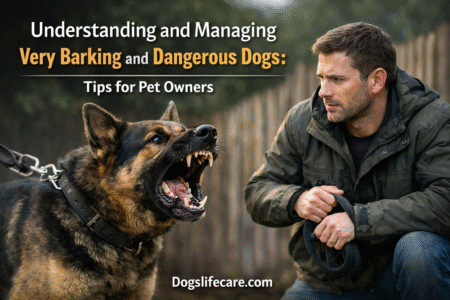
Dogs communicate constantly through posture, ears, tail movement, and facial expressions. Ignoring these signals can lead to stress, confusion, or even aggression.
Understanding body language makes you a better trainer and a better owner.
How to fix it:
- Watch for signs of stress like yawning, lip licking, or turning away.
- Take breaks if your dog seems overwhelmed.
- Adjust training pace based on your dog’s comfort level.
Training should always feel safe and supportive for your dog.
11. Giving Up Too Soon
This is the mistake I see most and the one that breaks my heart.
Some owners assume their dog “can’t be trained” when progress feels slow. But every dog can learn with patience, consistency, and the right approach.
How to fix it:
- Stay committed, even when progress feels small.
- Adjust methods instead of quitting.
- Seek professional help if needed trainers can make a world of difference.
Your dog isn’t failing they’re learning.
Final Thoughts: Train with Patience, Not Pressure
After years of living with dogs, I can confidently say this: great training isn’t about control it’s about communication and trust. When you avoid these common mistakes and approach training with kindness and consistency, your dog will not only learn faster but will enjoy learning with you.
Remember, every dog wants to succeed. They just need guidance that makes sense to them.
If you stay patient, positive, and committed, you won’t just raise a well-trained dog you’ll build a lifelong bond.

















Leave a Reply